
Tesla axes Model S and X for robot production
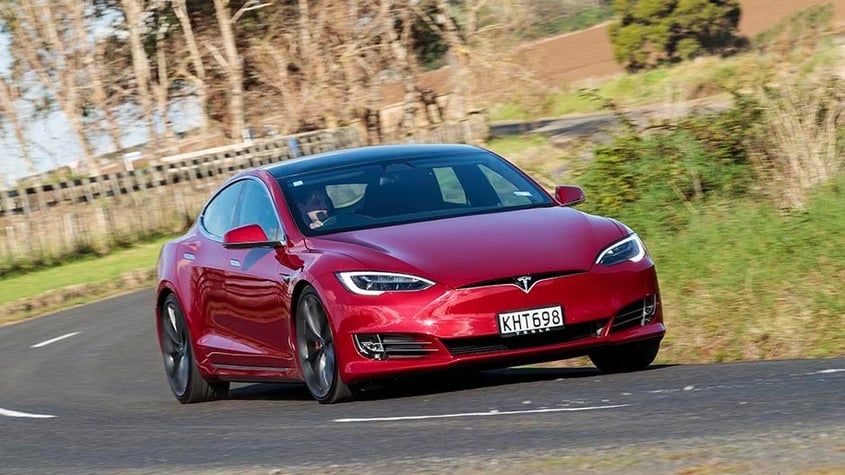
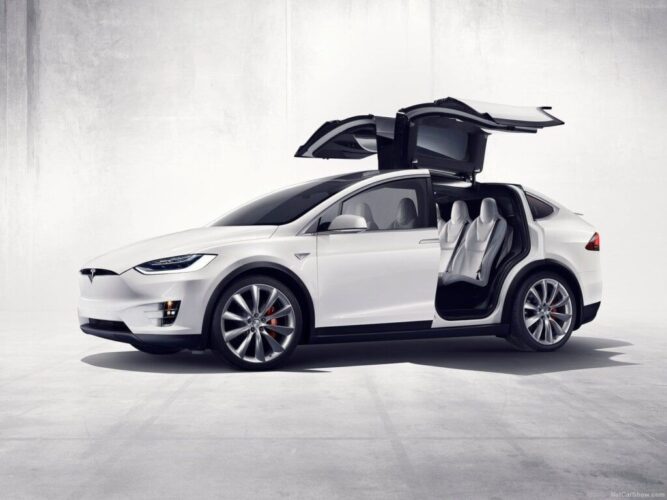
Tesla will discontinue its Model S sedan and Model X SUV globally next quarter as the company pivots from car manufacturing toward artificial intelligence and robotics production.
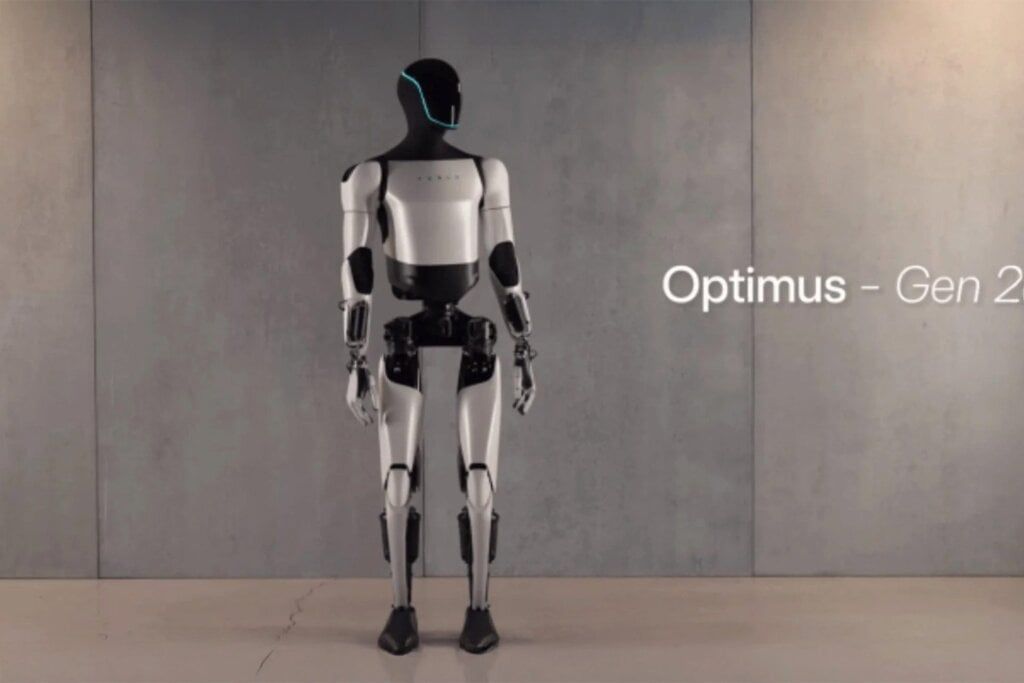
Chief executive Elon Musk confirmed the decision during Tesla’s Q4 2025 earnings call this week, saying the Fremont facility in California currently producing the two models will be repurposed to manufacture the company’s Optimus humanoid robot.
“It’s time to basically bring the Model S and X programs to an end with an honorable discharge, because we’re really moving into a future that is based on autonomy,” Musk said during the call.
The move will have no impact on New Zealand buyers, as both models have only been available in left-hand drive configuration for the past few years.
Fremont facility targets 500000 annual robot production
Musk outlined ambitious plans for the California site, aiming to eventually produce 500000 Optimus units annually. The production lines currently dedicated to the S and X will undergo a complete overhaul to accommodate robot manufacturing.
While acknowledging the discontinuation was a “sad” moment for the company, Musk said the transition was necessary for Tesla’s survival in an increasingly autonomous landscape.
The decision reflects Tesla’s broader strategic shift from traditional automotive manufacturing to positioning itself as an AI and robotics company.
Luxury models struggled against volume sellers
The discontinuation comes as Tesla’s flagship models have been significantly outsold by the company’s volume offerings. Deliveries of the Model 3 and Model Y totalled 1.6 million units last year, while the Model S, Model X and Cybertruck combined managed just 50000 deliveries.
The production capacity freed up by ending S and X manufacturing will allow Tesla to focus resources on its robotics ambitions while continuing to scale production of its more popular electric vehicle models.
For New Zealand’s electric vehicle market, the change represents no immediate impact given the models’ absence from local showrooms in recent years due to their left-hand drive configuration.

Join the conversation