
Tesla Q1 sales rise but miss estimates
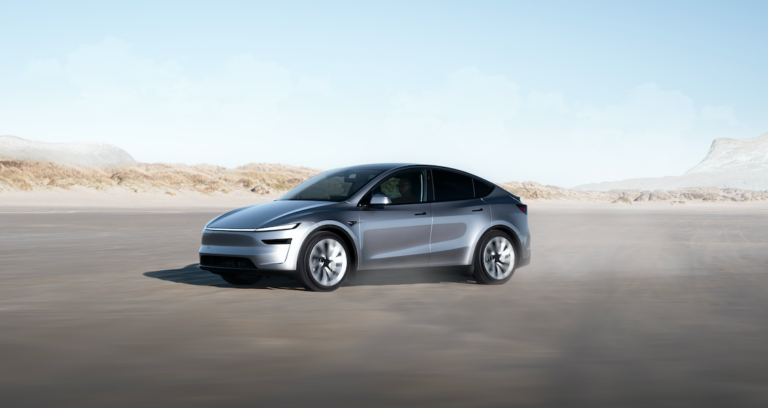
Tesla reported higher first-quarter vehicle deliveries but fell short of analyst expectations, delivering 358,023 electric vehicles (EVs) compared to consensus estimates of 365,645.
The figures represent a 6.3% increase from the same period last year, while vehicle production rose 12.6% to 408,386 units. The delivery shortfall follows a challenging 2025 for the EV maker, which faced increased competition and consumer boycotts linked to chief executive Elon Musk’s political positions.
Tesla shares fell 5.2% following the results announcement, extending the stock’s decline to 10.6% over the past month. Despite the sales miss, Tesla maintains a market capitalisation of more than US$1.3 trillion ($2.2 trillion), significantly outpacing traditional automakers General Motors and Ford, both valued under US$70 billion ($122 billion).
Volatile year behind mixed results
The quarterly results cap a turbulent 2025 in which Tesla sales declined for much of the year amid intensifying competition in the global EV market. The company did experience a brief sales surge in the third quarter as the United States began phasing out consumer tax credits, prompting buyers to accelerate purchases.
Wedbush analyst Dan Ives described Tesla’s sales figures as “underwhelming” but noted that investor focus in 2026 has shifted toward the company’s artificial intelligence and autonomous driving initiatives rather than traditional vehicle sales metrics.
Streamlined vehicle lineup
Tesla’s current vehicle lineup has been reduced to three models following the January decision to end production of the Model S and Model X. The company now focuses on the Model 3 sedan, Model Y SUV, and the low-volume Cybertruck pickup.
Development continues on a new version of the Roadster sports car, though no timeline has been provided after a decade of development work.
The results highlight Tesla’s position as it navigates increased competition in the global EV market while pursuing ambitious goals in autonomous driving technology that have helped sustain investor confidence despite delivery challenges.

Join the conversation