
Toyota does about-turn over long-range EVs
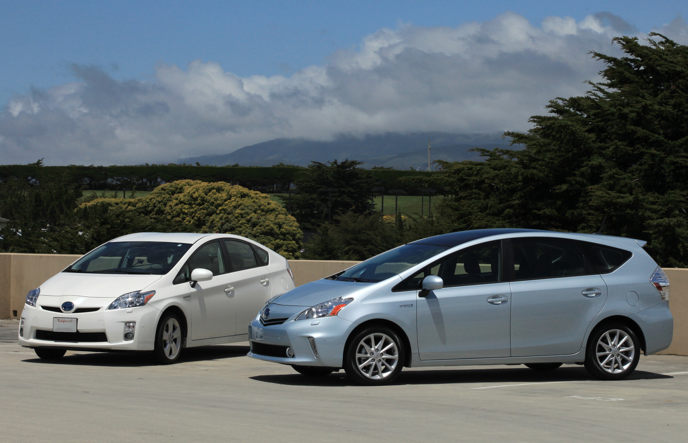
Toyota is looking at mass-producing long-range electric vehicles (EVs) that would hit the market around 2020.
This – reported in the Nikkei newspaper – constitutes a strategy about-turn for the world’s bestselling carmaker.
Even as rivals such as Nissan, Volkswagen AG, and Tesla have touted pure EVs as the most viable zero-emission vehicles for the future, Toyota has said it would reserve EVs for short-distance commuting given the high price of rechargeable batteries and lengthy charging times, reports Reuters
.
 By adding longer-range EVs to its product range, Toyota is changing its tune from promoting plug-in petrol-electric hybrid cars and hydrogen fuel-cell vehicles (FCVs) as the most promising alternative to conventional cars.
Toyota has pledged to make all of its vehicles essentially emissions-free by 2050.
Industry experts say emissions regulations in California, widely considered a benchmark in global vehicle emissions standards, and China’s push to increase EV usage, could be behind a possible change of heart at Toyota.
The Nikkei
business daily, without citing sources, says Toyota would set up a team in early 2017 dedicated to developing electric cars that can travel more than 300km on a single charge.
The paper added that Toyota aims to begin selling its first long-range EV in 2020 in Japan as well as other markets such as California and China – the world’s biggest car market – which is promoting a switch to battery EVs.
Toyota neither confirmed nor denied the report, saying it does not comment on product development plans. In an emailed response, it says it continues to develop various fuel-efficient technologies, including EVs, with the best application for each in mind.
From 2018, California and a growing number of US states, will require carmakers to produce a much larger number of zero-emissions vehicles as a proportion of total sales.
Toyota has promoted FCVs such as its Mirai sedan as the most sensible next-generation option to hybrids, a category it dominates with the Prius, since they have a similar driving range and refuelling time to conventional cars. But the lack of hydrogen fuelling stations poses a major hurdle for mass consumption.
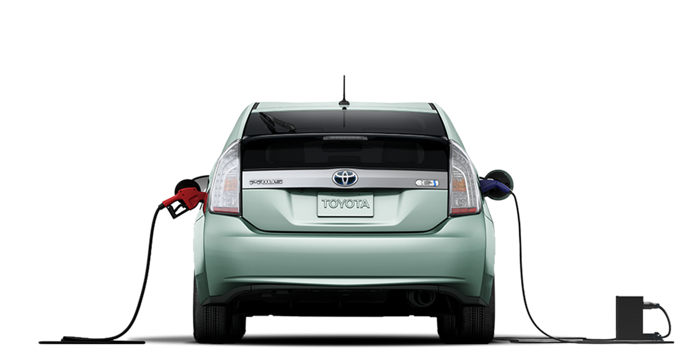
Toyota will launch a plug-in hybrid version of the Prius in the coming months. Engineers have told Reuters that in developing a safe and powerful lithium-ion battery for the model, Toyota will be able to produce batteries for EVs in future.
Join the conversation