
Transport emissions cut helps Dunedin
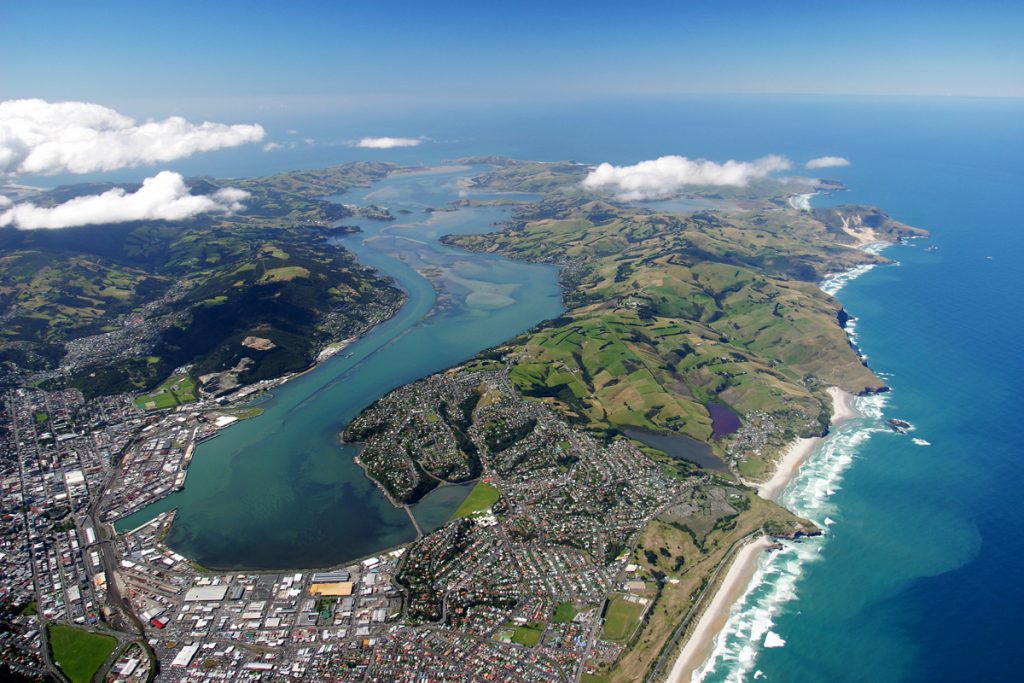
Dunedin’s total gross emissions dropped by 9% during the last four years., the biggest cut coming from the transport sector.
That’s according to the latest Dunedin City Community Carbon Footprint, due to be presented to the council on January 31.
The report shows the biggest cut in Dunedin’s emissions came from the transport sector, says council principal policy analyst Jinty MacTavish.
While some of the change is attributable to COVID, preliminary analysis also suggests Dunedin people may be making different transport choices, she explains.
“We’ve been working on a plan that outlines how as a city, we can get to net zero by 2030. The plan will outline what DCC is going to do to enable the changes that will reduce emissions and meet the community’s other needs and aspirations.
“We’re engaging with community groups, businesses and organisations to help shape the plan, and over the next couple of months we’ll be talking to many more.”
MacTavish says feedback and ideas from all interested Dunedin people will be sought through a public survey.
Transport emissions decreased by 16% between 2018/19 and 2021/22 (95,552 tCO2e), from 612,931 tCO2e to 517,379 tCO2e, the report notes.
“This reduction was mainly driven by a reduction in on-road petrol and diesel consumption, marine freight movements, and air travel. It is likely that COVID-19 restrictions and disruptions to international trade impacted emissions from air travel and marine freight transport during these years.”
It says preliminary analysis suggests a longer-term trend of declining petrol consumption in the city. “This could be a result of a more modern, efficient fleet with an increasing proportion of EVs, longer-term changes in working patterns (e.g. more people working from home some of the week), and potentially a shift to lower carbon modes of transport (e.g. walking and cycling).”
It adds that when carbon absorbed by the city’s forests is included, net emissions are down 21%.
Click here for the council agenda report.


Join the conversation