
Transpower working with sector to manage winter capacity risks
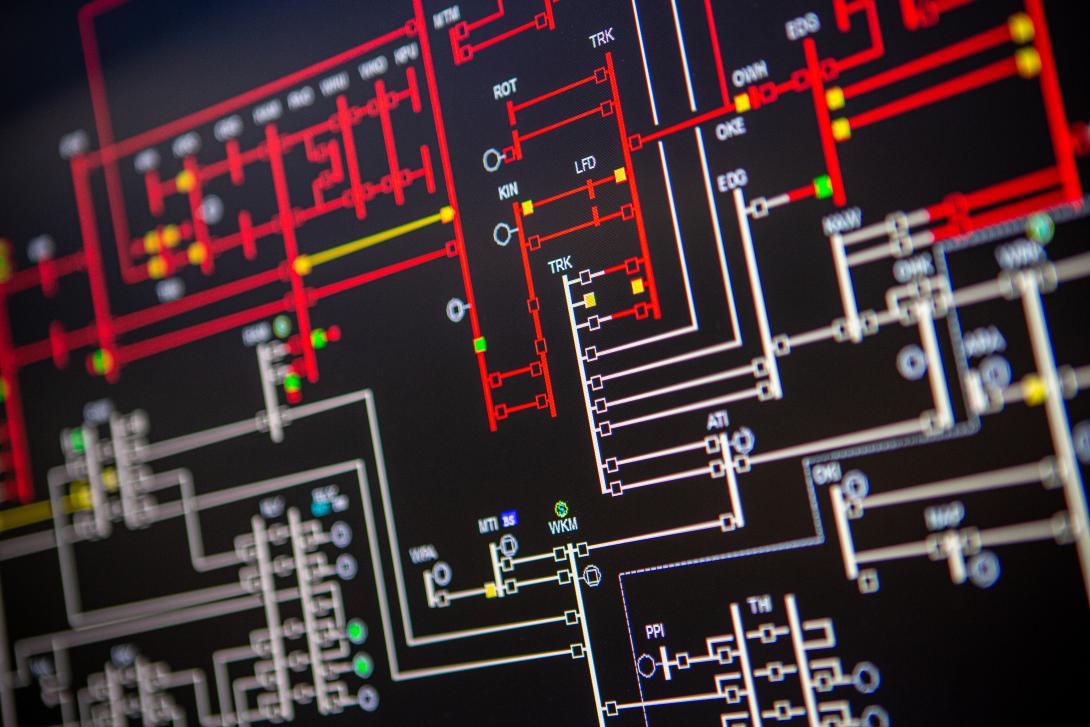
Potential tight power situations could develop during winter cold snaps, warns Transpower, adding it’s working with the electricity sector to manage that and keep power on, including EV charging.
These tight supply situations during short periods of peak demand are a result of increasing electricity demand as well as New Zealand’s transition to a future with a decarbonised economy powered by renewable electricity generation, Transpower explains.
Transpower chief executive Alison Andrew says higher volumes of renewable but intermittent generation like wind have left the electricity system susceptible to equipment faults and changing weather conditions at times of high peak demand, particularly during winter cold snaps.
“The transition to higher levels of renewables is critical but we also need other flexible generation capacity or demand response that can react quickly to support it during times of high usage,” she adds.
“Transpower is committed to doing what it can to ensure that consumers are not disconnected due to an electricity supply shortfall at these times, and we are working with the sector and government to put in place solutions.”
Transpower in its role as system operator highlighted these winter capacity risks in a paper last year after it was forced to call five separate grid emergencies during 2021 and 2022 when equipment failures exacerbated tight supply situations.
The two years saw forecast residual generation drop below the minimum 200 MW buffer Transpower aims to keep in the system.
It demonstrated how demand at peak times in the mornings and evenings has grown significantly in the last two years, increasing the amount of electricity generation required for short periods.
The paper also showed that New Zealand has sufficient generation capacity, but slow-start thermal (coal and gas) generation is not always offered into the market during peak demand periods.
“This is especially true when full hydro lakes and wind generators are running at maximum capacity and depressing wholesale spot prices, as was often the case last winter,” says Andrew.
“If conditions change, such as the wind dropping and demand spiking, this can squeeze the buffer we keep in the system for security reasons, known as residual generation.”
Around 1100 MW of New Zealand’s 2000 MW of thermal generation capacity is from slow-start units, which typically take six to 12 hours to start generating, or significantly longer if they are cold, making them unsuitable for managing winter peaks, Transpower explains.
In its winter capacity paper, Transpower has identified the need for additional flexible generation capacity or demand response to alleviate these winter capacity risks.
It has also been working with the Electricity Authority and the rest of the sector on a range of initiatives to better manage winter peak capacity risks including making better information available on residual generation and wind forecasts.
The authority has also made a change to the Electricity Industry Participation Code to improve visibility and management of discretionary demand, or controllable load, in the system. This is typically residential and business hot water systems that local lines companies can switch off to lower demand when required by the system operator during a grid emergency.


Join the conversation