
Volkswagen ID.4 to be replaced by ID.Tiguan
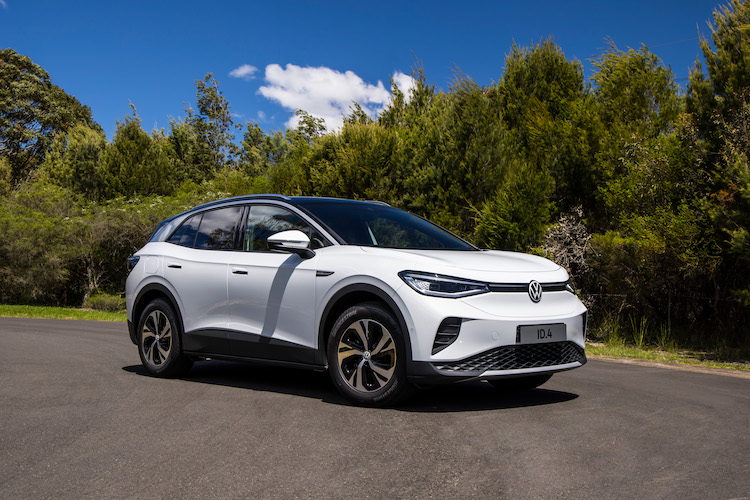
Volkswagen will replace its ID.4 electric SUV with the ID.Tiguan, despite the current model being on sale for just four years.
The name change is part of a broader shift by the German manufacturer to replace numerical designations with familiar model names across its electric vehicle (EV) lineup. The ID.2all has already become the ID.Polo, while the electric Golf will become the ID.Golf.
“It’s a big seller, ID.4,” says Volkswagen Passenger Cars CEO Thomas Schäfer. The car “has to be updated to our new design language”.
The changes extend beyond aesthetics. “The ID.4 will get the MEB+ [platform], with the new battery, the cells; LFP technology and all that is coming in. It’s going to be a huge step up from today’s car,” Schäfer says.
Chief designer Andreas Mindt supports the naming strategy, saying “In my opinion, you have to have names, this human element on a Volkswagen.”
Design and technical updates
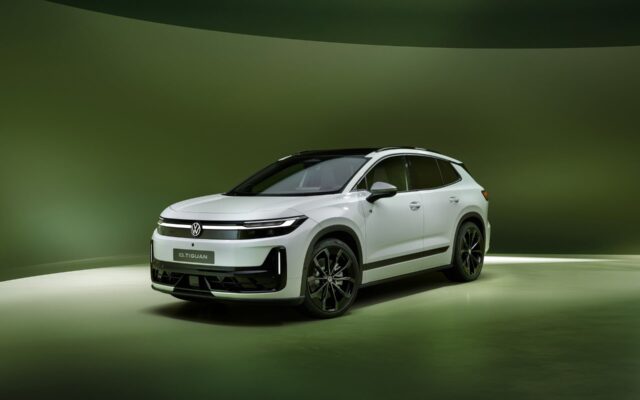
The ID.Tiguan will feature cleaner exterior styling that more closely resembles the internal combustion engine Tiguan. Expected changes include a light bar and sharp daytime running light signature at the front, with an illuminated VW badge likely. The number plate will be mounted lower within the bumper rather than on the bootlid.
Interior changes will address previous criticism of VW’s touch-heavy approach. The ID.Tiguan will include more physical buttons for steering wheel and climate controls, moving away from the haptic sliders that frustrated Golf occupants.
“The interior is soft padded,” Mindt says, indicating improved material quality throughout the cabin.
Battery technology shift
The move to lithium iron phosphate (LFP) battery technology represents a “major step forward in terms of cost” for Volkswagen, according to Schäfer, with lower list prices expected. This should make the ID.Tiguan more competitive against rivals like the Kia EV6 and Hyundai Ioniq 5.
While LFP batteries are less energy-dense than NMC alternatives, VW will compensate by adding more cells using a new cell-to-pack layout. The design eliminates the battery frame and uses three rows of prismatic cells side by side with a cooling plate on top.
Entry-level versions are expected to offer 400km of range, while longer-range models will likely retain NMC technology to achieve over 600km of range. A heat pump will remain an optional feature.
Volkswagen considers the changes sufficient to classify the ID.Tiguan as a new generation vehicle.
The company will also heavily update the ID.3, particularly the interior, though the final name for that model remains unclear. The ninth-generation electric Golf will inherit the ID.Golf designation.

Join the conversation