
Volkswagen leads green power projects for ID vehicles in Europe
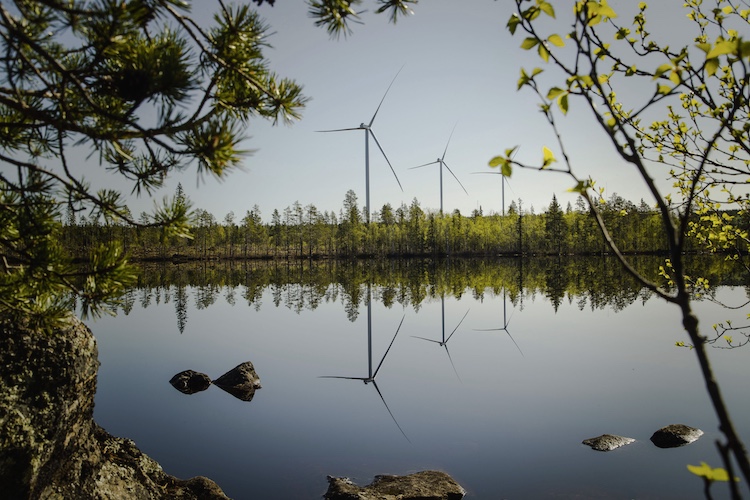
Volkswagen is engaged in 26 green power projects in nine European countries, allowing buyers of its ID electric vehicles to enjoy their new cars in a net carbon-neutral fashion.
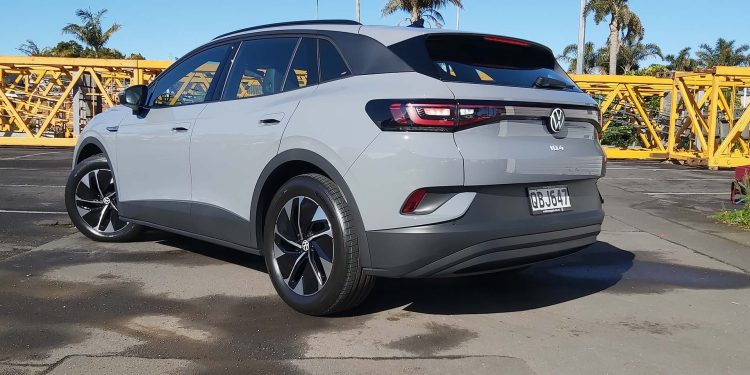
According to lifecycle analysis, Volkswagen says the ID.4, powered solely using the EU green electricity grid mix, has a lower CO2 footprint than a comparable diesel model after about 66,000 km.
Since 2021, the green power projects supported have fed three terawatt-hours (TWh) of electricity to the European power grid.

This figure corresponds to the annual energy demand of about 800,000 households.
“We plan to step up our commitment in the field of renewable energies each year in line with the development in ID sales,” says Andreas Walingen, Head of Strategy of the Volkswagen Passenger Cars brand.
“Through the large-scale development of European wind and solar farms, we intend to support our customers in the region in their efforts always to use their ID. cars in a net carbon-neutral way. This shows that our commitment to sustainability goes far beyond the electrification of vehicles.”
Volkswagen supports several large green electricity projects, including a solar park near Vila Real in the north of Portugal, which produces over 60 GWh per year, and a wind farm in Djupdal, Sweden, which produces more than 1,000 GWh per year.
The company is advancing the development of renewable energies throughout Europe.
Volkswagen supports 18 photovoltaic plants and eight wind farms in Spain, Sweden, Finland, Portugal, the United Kingdom, Germany, Italy, the Netherlands, and Poland. These projects acquire Energy Attribute Certificates confirming the origin of renewable energy.
In 2024 alone, the projects generated about 1.1 TWh of green power, corresponding to the annual demand of about 300,000 households or the calculated electricity demand of the Volkswagen ID fleet on European roads currently not covered by renewable power.
A study indicates that about 40% of “grey” electricity is currently used for charging.
Through green power projects, Volkswagen has shifted this share to carbon-neutral over 10 years, assuming each vehicle travels 200,000 km.

Join the conversation