
Volvo XC70 returns as extended-range PHEV
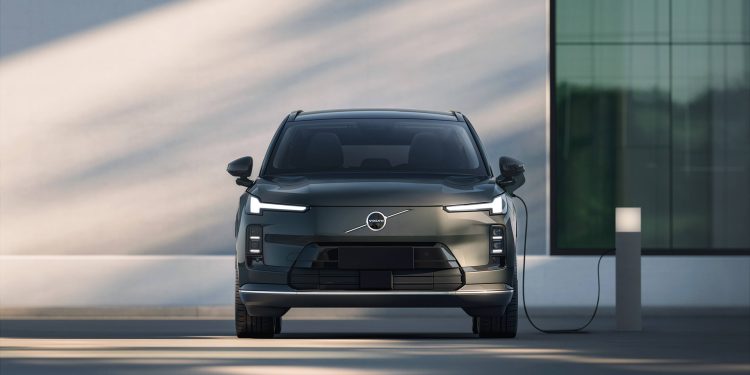
Volvo is reviving the XC70 nameplate as an extended-range plug-in hybrid electric vehicle (PHEV), marking the return of a model that was discontinued in 2016.
The new XC70 will feature Volvo’s advanced extended-range hybrid technology, combining a battery electric drivetrain with a petrol engine that acts as a generator to extend driving range. This approach differs from conventional PHEVs where the combustion engine directly drives the wheels.
The Swedish automaker discontinued the original XC70 in 2016 as part of a broader model rationalisation, with the XC60 and XC90 taking over much of its market positioning. The revival comes as Volvo accelerates its electrification strategy ahead of its goal to become fully electric by 2030.
Extended-range technology offers flexibility
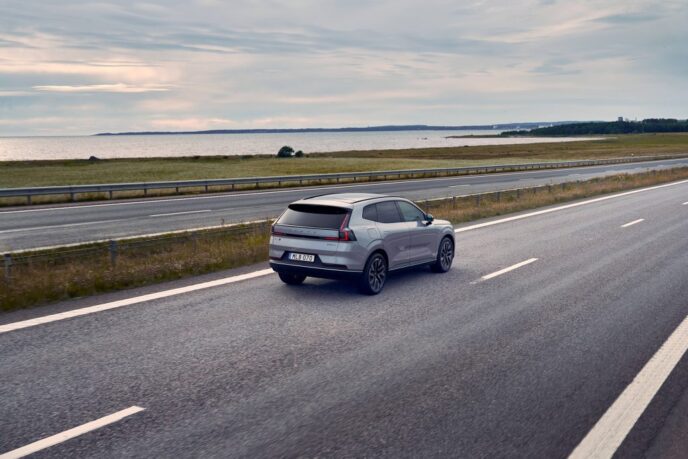
The extended-range PHEV system allows the XC70 to operate as a pure electric vehicle for daily driving, with the petrol engine serving solely as a range extender when the battery is depleted. This configuration aims to provide the efficiency benefits of electric driving for most journeys while eliminating range anxiety for longer trips.
Volvo has not yet released detailed specifications for the XC70’s powertrain, but the system is expected to deliver significant electric-only range suitable for typical daily commuting patterns.
The model will compete in the premium SUV segment against rivals including the BMW X3 xDrive30e and Mercedes-Benz GLC 300e, both of which are available in New Zealand as conventional PHEVs.
New Zealand market implications
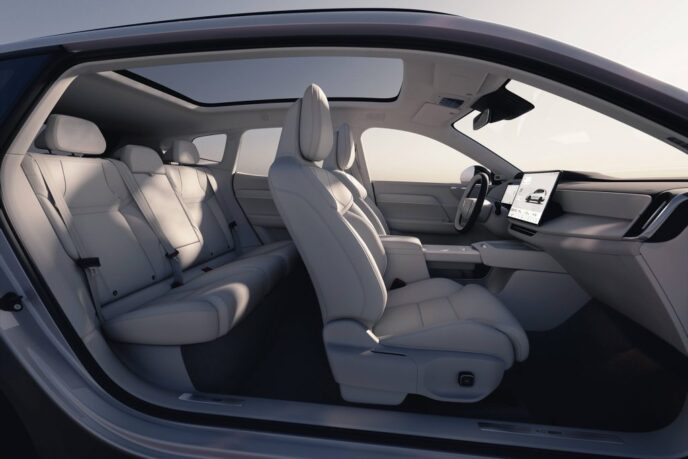
Volvo New Zealand has not confirmed local availability or timing for the XC70, though the brand’s distributor has previously indicated strong interest in expanding the local PHEV lineup.
The extended-range configuration could prove particularly relevant for New Zealand conditions, where longer inter-city journeys are common but daily urban driving dominates most usage patterns.
Current Volvo PHEV models available locally include the XC60 T8 and XC90 T8, both priced in the premium segment. The XC70’s positioning and pricing strategy for the New Zealand market remains to be confirmed.
The model’s return reflects Volvo’s broader strategy of maintaining internal combustion technology as a bridge to full electrification, particularly in markets where charging infrastructure development is still progressing.

Join the conversation