
The EV that just drove upside down has NZ in its plans
Voyah's Passion S has driven a full 360-degree tunnel loop in Wuhan, and the Dongfeng premium brand has confirmed to sister site Inside China Auto that New Zealand is in its plans.
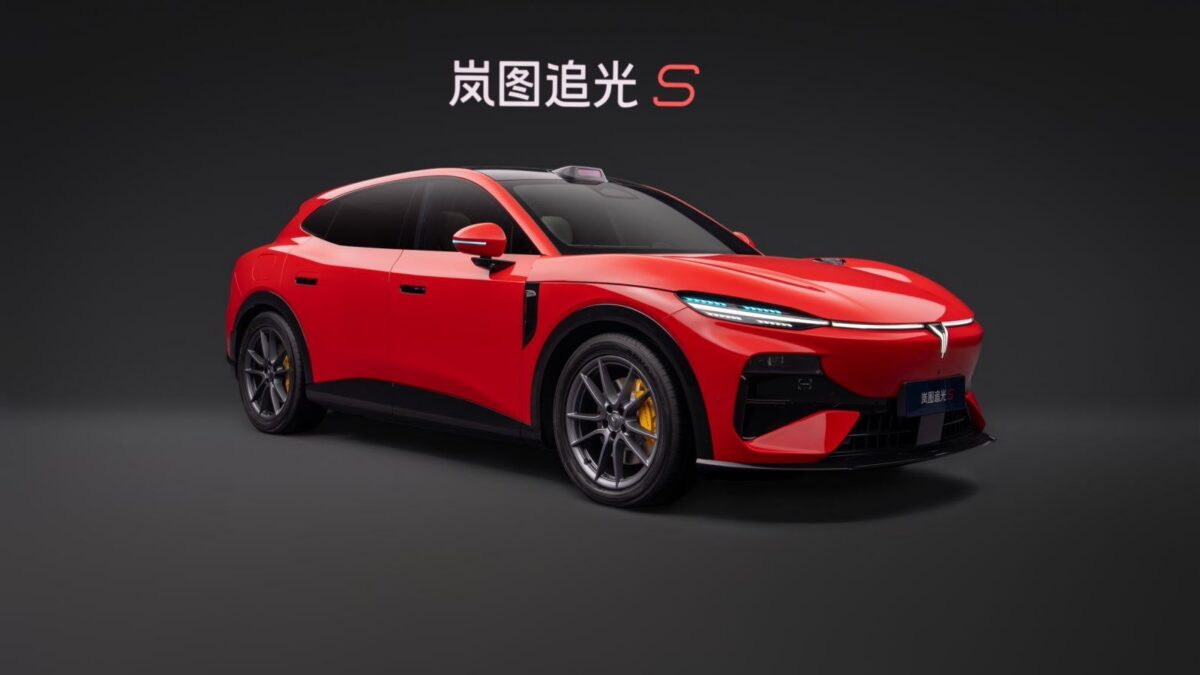
A Chinese electric SUV has driven a complete 360-degree loop inside a tunnel, upside down at the top, in a single unbroken take. And the brand behind it has New Zealand in its plans.
The Voyah Passion S performed the loop in a closed test tunnel in Wuhan, entering the curved wall at around 130km/h and holding a steering angle of about 16 degrees so that the force pressing the tyres into the tunnel surface outweighed gravity at the top. Voyah says the car was a standard production example with a full battery, though that claim has not been independently verified.
In 2010, Mercedes-Benz ran a commercial showing Michael Schumacher looping an SLS AMG through a tunnel, an advert long suspected of leaning heavily on CGI. When the internet levelled the same accusation at Voyah, the company released an uncut single-take video of the run, and a leaked clip of an earlier attempt, in which a camouflaged prototype fell off the ceiling, circulated soon after. A genuine crash is strange evidence of authenticity, but it is evidence.
Enter too slowly or miss the steering angle and the car simply falls. The low-slung battery, instant torque and precise traction control of a modern EV are what made the window achievable at all.
The car under the stunt
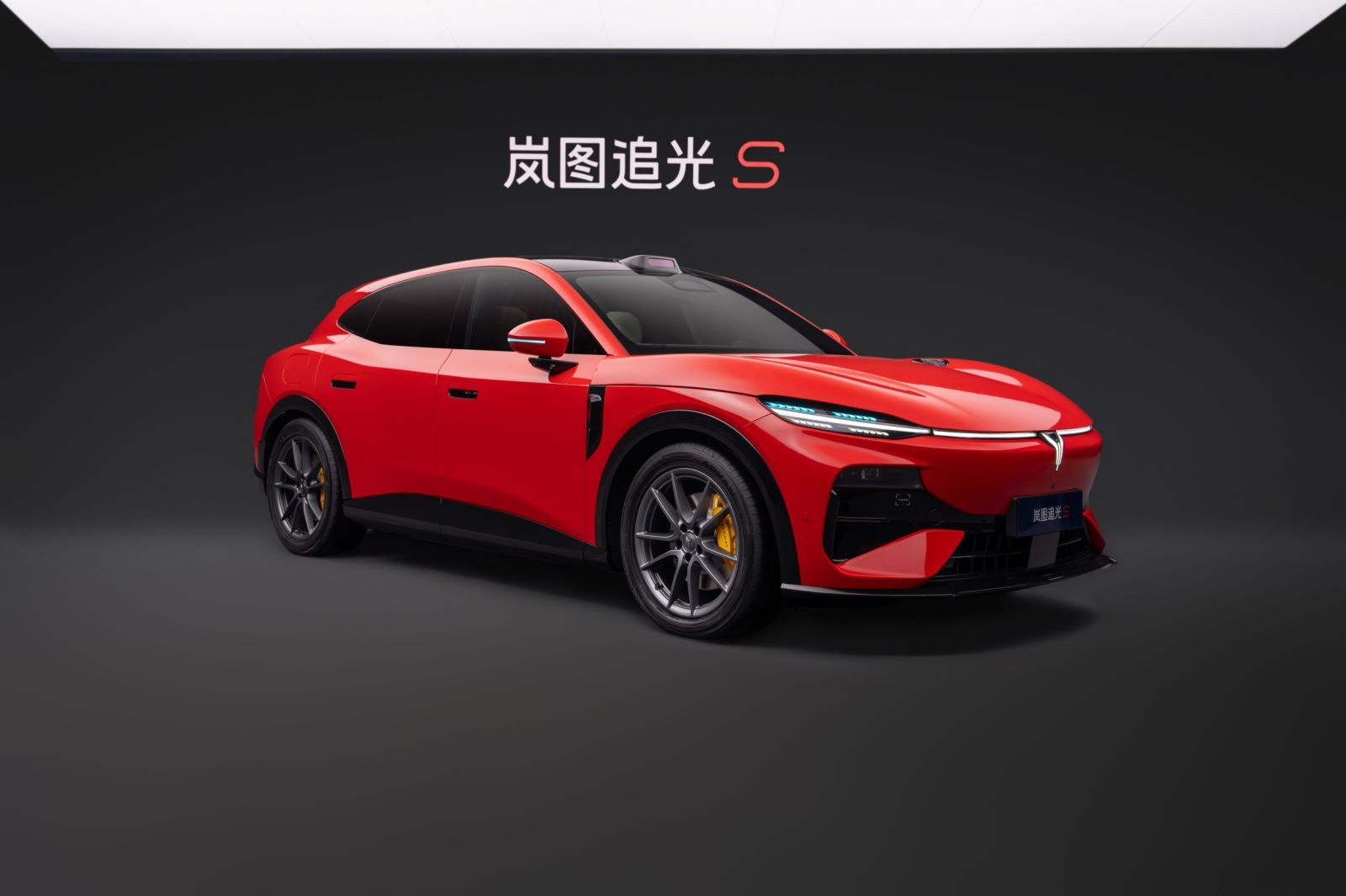
The Passion S itself is a 5,050mm coupe SUV from Dongfeng’s premium Voyah brand, aimed squarely at the Xiaomi YU7, with rear-drive versions producing 300kW and a dual-motor flagship making 475kW for a 4.5-second 0-100km/h.
Its 800-volt platform supports 5C charging, claiming 20 to 80% in around ten minutes on either the 81.6kWh or 98.1kWh LFP battery, with CLTC range between 630km and 740km. Every version carries Huawei’s latest Qiankun ADS 5.0 driver assistance running 33 sensors, headlined by an 896-line lidar that can pick out a 14-centimetre obstacle from 120 metres.
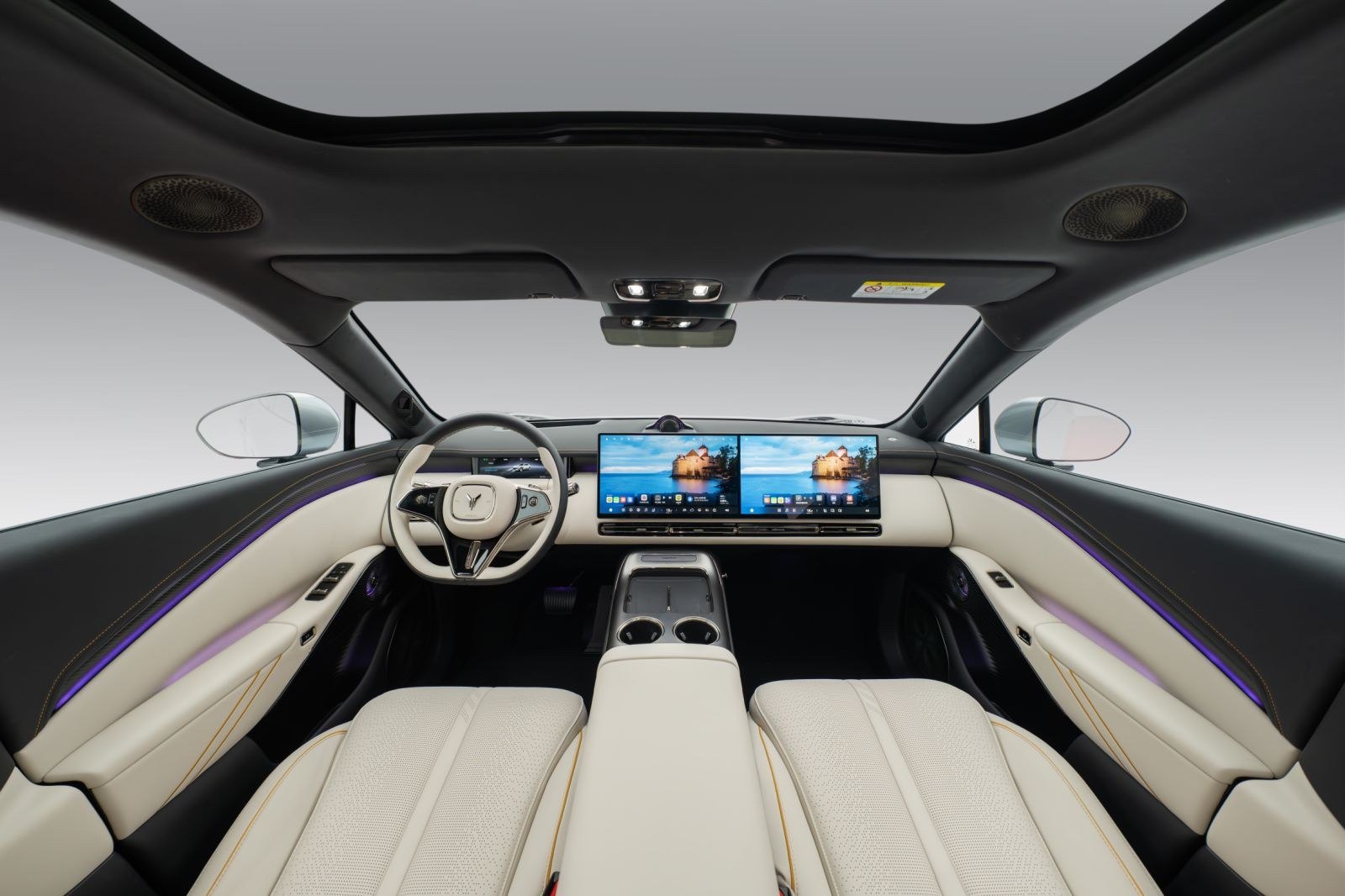
Chinese pricing spans 229,900 to 279,900 yuan, roughly NZ$54,000 to NZ$66,000, which makes it the cheapest car in China carrying Huawei’s newest self-driving hardware.
Coming our way
Our sister site Inside China Auto has driven the Passion S, finding it about 90% of the YU7 to drive, down on steering feel but ahead on refinement, and concluding its real weapon is being driven rather than driving: the best autonomous hardware in China at its lowest ever price.
Voyah has also confirmed to Inside China Auto that Australia and New Zealand are in its plans. The brand already sells in the Netherlands and Norway, and Stellantis signed a joint venture agreement in May to distribute Voyah models in selected European markets. Dongfeng already has a New Zealand foothold through the Box city EV, so the channel exists. The car that drove on a ceiling may yet end up in a Kiwi driveway.
Join the conversation