
Whole new ball game for insurers
This story first appeared in the February issue of EVtalk – CLICK HERE to download the magazine FREE

Big changes in transportation, such as increasing electric vehicle ownership, have many insurance companies reviewing their business models and policies.
It’s not just EVs either, with driverless vehicles and sophisticated new technology also having to be considered.
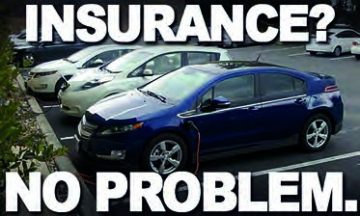
Many EV owners have said on Facebook pages they have had little problem getting insurance.
However, some anecdotal reports say, for instance, that one EV insurance enquiry prompted a question on the vehicle’s cc rating while another was told an EV was high risk.
That might come down more to staff training and improved familiarity with EVs and other technology changes.
Insurers don’t yet have a history of claims around EVs to give them a record to work from.
One of the main differences at this stage is that EVs tend to cost more than many conventional vehicles to repair.
“The bottom line is that they cost more to fix,” O’Connor Warren Insurance Brokers director Eamon O’Connor says.
“We understand some insurance companies are building that into their policy model so premiums may be higher in some cases.”
O’Connor says insurance firms will have a better idea once true trends emerge.
“This is a whole new ball game,” Provident Insurance chief executive officer Steve Owens says.
 His company recently acquired auto underwriting business Co-op Insurance NZ and is developing new systems for policy generation and management to ensure it’s a seamless experience for their dealer clients.
“We are also working with our actuaries to better understand the product, the risks, adequacy of pricing, along with service and repair efficiencies to be gained from our support network,” Owens says.
“And it’s not only electric vehicles that we need to consider, as new technology is rapidly being introduced to internal combustion engines (ICE), the introduction of autonomous vehicles and shared ownership/use of vehicles are all additional risk factors that will potentially impact on insurance premiums.
“We haven’t got a history to go on in many cases so we have to work with the data we’ve got and build on that over time.”
Even though a vehicle might be propelled differently, it has a driver whether it’s an EV or an ICE.
“I don’t believe the driver of an EV will behave any differently on the road from a driver of an ICE vehicle but everyday claims such as windscreens and wing mirrors are becoming increasingly more complex as more technology is built into these components,” Owens says.
“A wing mirror, for example, is no longer just the simple rear vision mirror you used to put your hand out the window to adjust. Some now have sensors, indicator lights, demisters and internal mechanisms which alone can cost thousands to repair or replace.”
Although it’s early days for autonomous vehicles in New Zealand, with the first likely to be shuttle services on internal airport roads, for example, Owens believes insurance issues around them will also have to be considered.
Questions arise around liability, particularly if there’s an accident involving a driverless shuttle and human-driven vehicle.
Some overseas insurance companies are already talking about this as few or no regulations are in place to provide the answers, especially around who will own the risk.
New insurance measures for self-driving vehicles are proposed in the United Kingdom under its Vehicle Technology and Aviation Bill, for instance.
Manufacturers might self-insure to cover liability and customise insurance products based on their own data.
Tesla, for example, has its own insurance under InsureMyTesla. It’s underwritten in New Zealand under a partnership with Vero Insurance.
Vero’s website says Tesla insurance features include competitive pricing, 20% excess reduction after 90 days, cover for loss or damage to home charging equipment, full glass coverage (including panoramic roof), key cover if lost, damaged or destroyed, and discounts on AA Roadside Assist and on selected AA driver training courses.
A new car replacement is offered after a total loss (up to 24 months or 40,000km).
Vero says SMART repair shops in two locations can improve turnaround times for low to medium collision damage.
Infrared paint-drying technology removes the need to disconnect the car’s battery.
The company has a nationwide network of approved repairers and a lifetime guarantee of repairs if using them. An optional rental car reimbursement is available too.
Tesla aims to include insurance and maintenance in the price of future vehicles.
Its more-affordable Model 3, which includes Tesla safety features and self-driving technology, is expected to help lower insurance premiums for some customers.
AA Insurance covers electric and hybrid vehicles in the same way it covers traditional vehicles.
The only exceptions at this stage are vehicles with carbon fibre chassis, which require specialist repair technology. But AA Insurance is now working with specialists to offer repair facilities next year.
The company also covers Teslas, which are semi-autonomous. Cover for fully autonomous vehicles is being worked on, in line with market availability.
Join the conversation