
Wisk unveils eVTOL air taxi for market

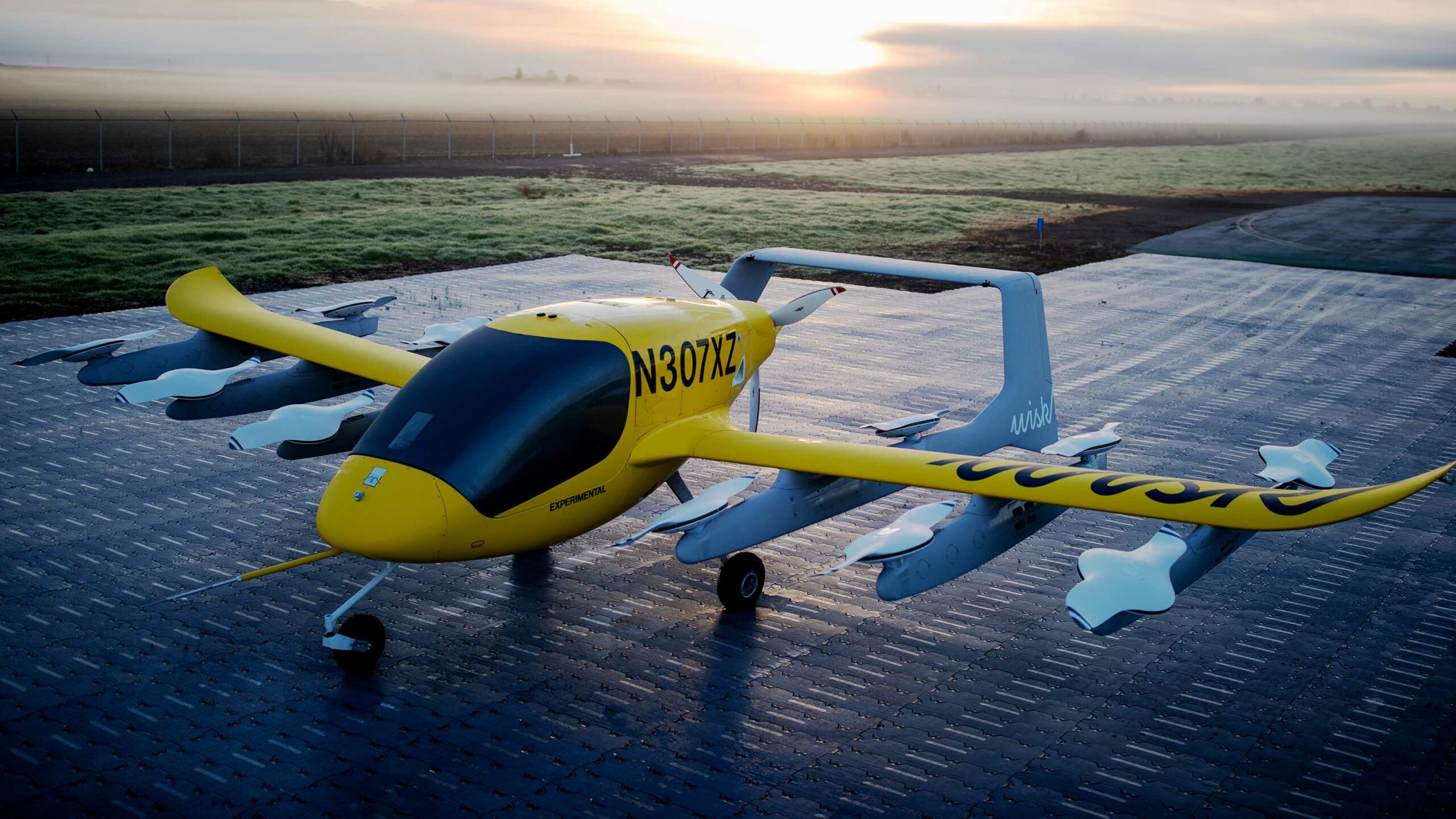
Advanced air mobility (AAM) company Wisk Aero has revealed the world’s first self-flying, electric, four-passenger vertical take-off and landing (eVTOL) air taxi.
As California-headquartered Wisk’s go-to-market aircraft, Generation 6 represents the first candidate for type certification by the US Department of Transport’s Federal Aviation Administration (FAA) of an autonomous eVTOL.
A pioneer in autonomous electric flight, Wisk Aero has been trialling the eVTOL “Cora” in Canterbury for several years.
The AV air taxi is designed to meet and exceed rigorous commercial safety standards and will use human oversight, aiming to be “accessible, affordable and sustainable”.
Wisk is working with City of Long Beach through the Long Beach Economic Partnership, the Council of Mayors South East Queensland in Australia, and Auckland in New Zealand.
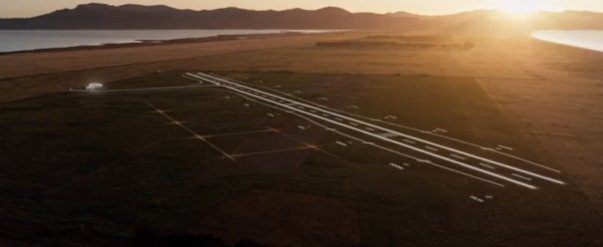
The aircraft will take off and land using vertiports, and will use pre-programmed flight plans best suited to each location.
“In 2010 we set out to find a way to skip traffic and get to our destination faster,” says Wisk chief executive Gary Gysin.
“That inspiration evolved into a mission to deliver safe, everyday flight for everyone. Over the past 12 years, we’ve pursued that mission through the development of five different generations of full-scale aircraft.
“Our 6th Generation aircraft is the culmination of years of hard work from our industry-leading team, learnings from our previous generations of aircraft, commitment from our investors, and the evolution and advancement of technology.”
Wisk is backed by the Boeing Company and Kitty Hawk Corporation and says the eVTOL will redefine long-standing concepts of flight and usher in a safer, scalable, and more accessible era in aviation.
The company adds the aircraft will set the standard for the air taxi market and the future of travel by leveraging a safety-first approach – including autonomous flight with human oversight, a simplified design with fewer moving parts, fully redundant systems, sensors and other innovative technology, and no single point of failure.
Wisk says it will also leverage the same proven technology that accounts for more than 93% of automated pilot functions on today’s commercial flights, use logic-driven, procedural-based, decision-making software which provides reliable, deterministic outcomes and will have multi-vehicle supervisors that provide human oversight of every flight and have the ability to intervene when needed.
The four-seater eVTOL has a 222km/h cruising speed, 144km range with reserves, can fly between 762-1219 metres above ground, has a 15.24m wingspan, a 12 propeller design and boom configuration with improved propulsion systems which can tilt in front of the wing with fixed lift units aft.
A raised wing design, extended booms, and increased size and number of propeller blades to improve safety, stability, and the passenger experience, while reducing both in-cabin noise and the aircraft’s overall noise footprint are included.
The large passenger cabin has ample storage for baggage and personal carry-on items, optimal visibility, a spacious layout, comfortable seats, and productivity features like wifi and charging.
The per passenger price target is US$3 (about NZ$5) per 1.6km (mile).
Entry and exit are designed for individuals across the mobility spectrum, to user interfaces that seamlessly accommodate people living with hearing, vision, and other impairments.
Wisk says it has completed more than 1600 test flights without an accident.

Join the conversation