
Zero-emission fleets, etc: DHL shows latest trends
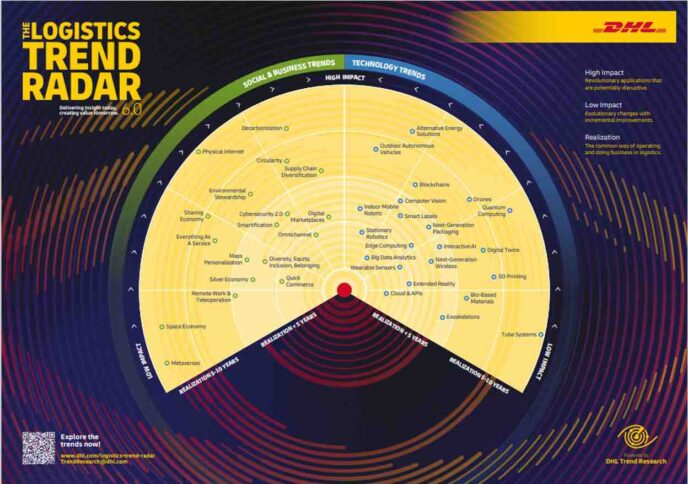

Decarbonisation, robots, big data, supply chain diversification, and alternative energy solutions will have the biggest impact in transforming logistics over the coming years.
That’s according to the latest DHL Logistics Trend Radar which identifies 40 trends that will shape the direction of businesses, societies, and technologies for the global logistics community in the next decade.
The report is the result of extensive analysis of macro and micro trends as well as the insights from numerous customer engagements and a large partner network including research institutes, tech players, and startups.
DHL chief commercial officer and customer solutions and innovation head Katja Busch says recent events have highlighted the importance of having robust supply chains and logistics.
“We are therefore seeing businesses transform logistics from a quiet, back-end operation to a strategic asset and value driver.
“We believe that being successful in the future requires inspiration and innovation, open exchange, and intense collaboration,” Busch says.
Published every two years, the report illustrates the most important social, economic and technological trends for the logistics industry, tracking their evolution.
Since 2015, over 70,000 visitors have come together at the DHL Innovation Centers to exchange with DHL experts and each other. DHL says this was partly due to successful virtual events during the pandemic. The findings are consolidated and reflected on the DHL Logistics Trend Radar which acts as a strategic resource for the global logistics company to help shape the direction of businesses and technologies.
DHL innovation Europe and trend research vice president Klaus Dohrmann this year’s report identifies new trends that have become more relevant to the logistics industry.
This includes computer vision, interactive AI, smart labels and DEIB (diversity, equity, inclusion & belonging), while the many other trends are further clarified from the previous edition.
“Sustainability is definitely still a top-of-mind topic for our customers today but ensuring resilience in the supply chain is taking center stage in the transformation of logistics,” Dohrmann says.
“The supply chain status quo narrative of efficiency and operational excellence is now being complemented by an understanding that the supply chain is an essential driver of tangible value creation.”
Supply chain diversification
As climate-related disasters and geopolitical interferences become more prevalent, organisations are looking into diversifying their supply chains in an effort to make their operations more resilient, the report says.
Multi-sourcing and multi-shoring are some of the strategies that organisations can take, it says
Broadening the supplier ecosystem and expanding manufacturing and distribution networks can achieve increasing resilience, agility, responsiveness, and competitiveness.
The report says 76% of businesses surveyed are planning to make significant changes to their supplier base within the next two years to ensure supply chain resilience.
“The key to building resilient supply chains is having visibility. In this case, big data helps to analyse large quantities of data to reveal past patterns, highlight real-time changes in the status quo, and create predictions and forecasts for the future.
“Those organisations at the forefront and seeing the greatest gains in their supply chains are those capable of analysing vast quantities of quickly accruing, unstructured data, while those who only look at core transactional data are missing out on visibility opportunities,” the report says.
“Digital twins, another emerging trend to help with business visbility, can reinforce predictive maintenance procedures in operations, reducing industrial breakdowns by 70% and keeping supply chains running. Computer vision – another example – enables more efficient processes and more secure operations.”
Sustainability
The new trends that have emerged carrying a significant impact are decarbonisation, alternative energy solutions, circularity, and environmental stewardship.
In the trend of decarbonisation, the World Economic Forum recently found that a net-zero supply chain will, on average, increase prices by no more than 4%.
“With many customers now willing to pay extra for more sustainable options, companies are investigating the various existing decarbonisation solutions for their supply chains,” the report says.
It says 85% of consumers have become ‘greener’ in their purchase behaviour in the last five years, and 65% are making modest to total lifestyle changes, pushing companies to inspect ways to make their products greener, often focusing on their supply chains.
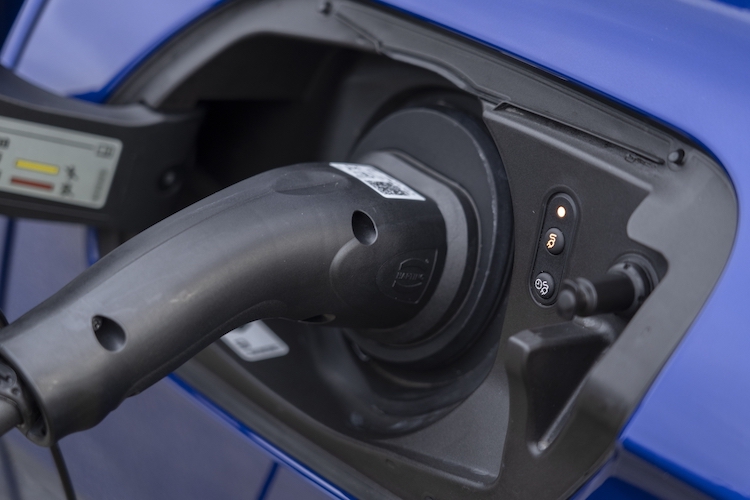
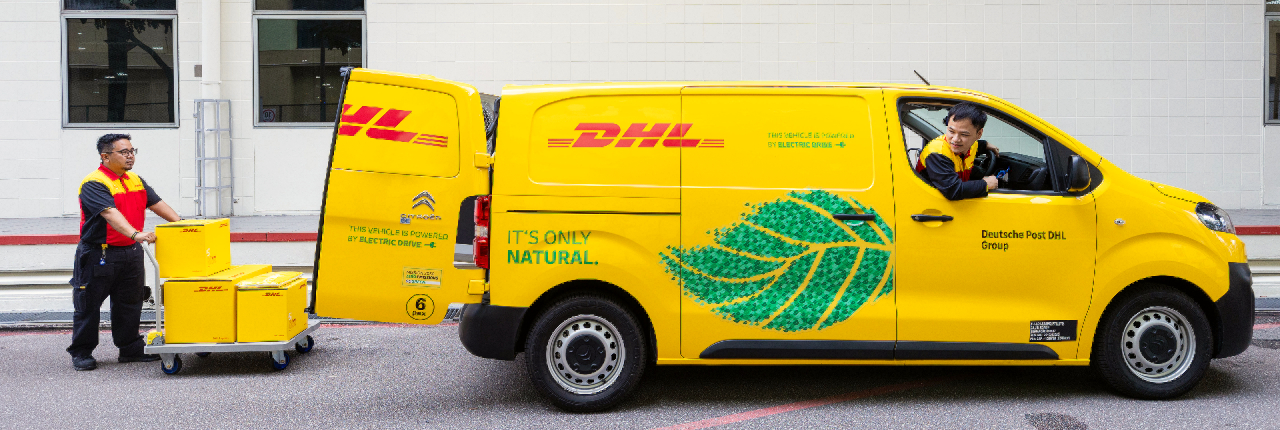
Regarding alternative energy solutions, it says companies should investigate in planning an electric fleet.
Of the $755 billion invested in the energy transition in 2021, 36% was invested in electric transport. One trend that has the potential to change business models is circularity, it says.
Currently, only 8.5% of society’s total material consumption is recycled or reused. Logistics organisations face major opportunities in all supply chain segments to improve their sustainability effort with circularity principles, and respond to the needs of their customers, the report says.
Automation and efficiency
In order to keep up with growing consumer demand, the report says companies will need to start looking into automation and efficiency technologies to help with productivity.
Important trends include indoor mobile robots and stationary robots, further extending a hand to staff on the ground.
“Indoor mobile robots have greatly diversified over the years with continual technological advancements. These indoor mobile robots can now move goods from one point to the other, help with loading and unloading containers or trucks and even assist in facility support with cleaning and security.
“Stationary robots on the other hands can be placed strategically in warehouses or hubs to optimise processes. In the future, it will be impossible to imagine logistics without automated processes using collaborative robots,” it says.

Join the conversation