
Mobile robotics set to transform key industries
Mobile robotics in logistics and material handling is likely to become a US$75 billion market by 2027.
It will then more than double by 2038.
A transformative change is beginning, so planning is needed now, IDTechEx Research director Dr Khasha Ghaffarzadeh says.
The IDTechEx Research report Mobile Robots & Drones in Material Handling & Logistics 2017-2037
focuses on all aspects of mobile robotics in material handling and logistics.
These include automated guided vehicles and carts (AGVs and AGCs), autonomous mobile vehicles and carts/units, mobile picking robots; last mile delivery ground robots (droids) and drones, and autonomous trucks and light delivery vans (level 4 and level 5 automation).
The report shows how AGV sales will grow then decline in the next 20 years and how autonomous mobile robots (AMRs) will rise.
Navigational autonomy will induce a colossal transfer of value from wage bills paid for human-provided driving services towards what’s spent on autonomous industrial vehicles, fuelling the growth in this material handling vehicle industry, Ghaffarzadeh says.
He says the report model suggests that autonomous forklifts, for example, will remain a tiny share of the global market until around 2023, then rapidly growing.
Last mile delivery remains expensive in the parcel business, often representing more than half of the total cost.
Autonomous mobile delivery robots are still limited in use, Ghaffarzadeh says.
“Our cost projections in the report suggest that these mobile robots can indeed become low-cost. The robots are now in the trial and learning phase. They will become increasingly more adept at path planning, even when GPS signals fail, and at object avoidance. The increased autonomous mobility capability will in turn enable a lower operator-to-fleet-size ratio, furthering boosting overall fleet productivity.”
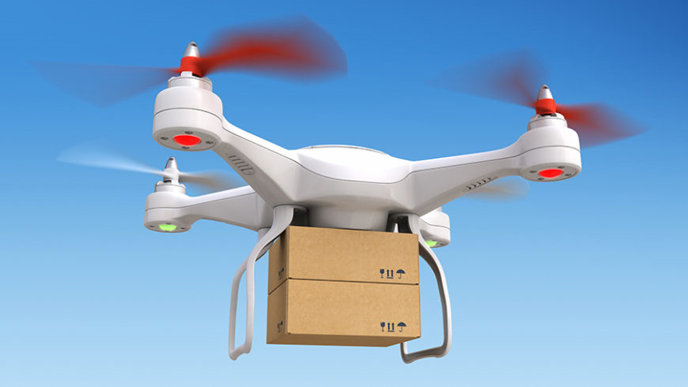
Drone delivery faces critical challenges, the report says. They can only carry small payloads and battery technology limits their flight duration, while also needing recharging and reloading. Safety is a factor too.
However, the technology has a long-term future, particularly with the bigger trend to automate as much as of the logistic chain as possible.
Delivery drone sales will remain limited until 2027/28, the report predicts.
Trucking is potentially an easier target than general passenger cars, the report says. That’s based on less congested and less windy intercity roads than city ones. “The driver may remain in the vehicle, but the commercial inventive, even in this hybrid approach, exists because it may justify a relaxation of the rulebook which limits driving hours,” Ghaffarzadeh says.
“This can therefore boost driver productivity and asset utilisation.”
He says the report shows different levels of automation (level 4 and 5) will rise and fall in trucking over the next 20 years.



Join the conversation