
EV growth prompts battery shortages
Increased demand for earlier than expected arrivals of reasonably affordable, long-range electric vehicles (EVs) has surprised battery manufacturers and auto makers.
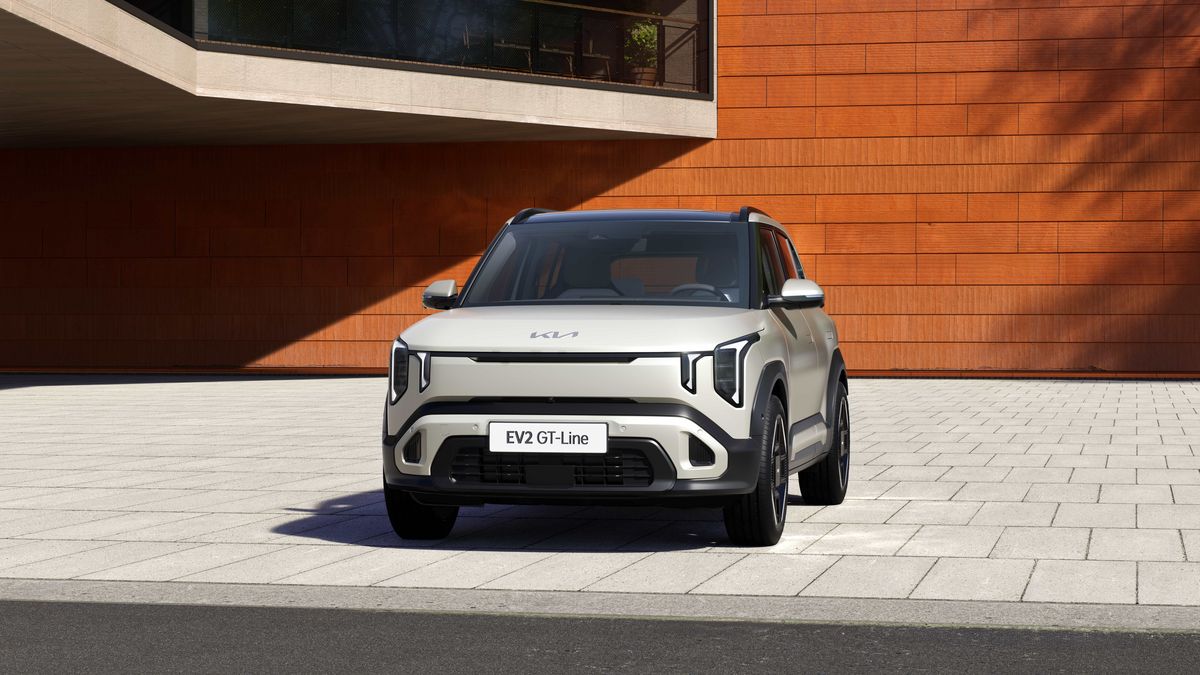
GM, Renault, Hyundai, Daimler, BMW, and VW have all seen demand exceed capabilities and expectations, and battery shortages are evident, CleanTechnica reports
Failing to have their own battery factories and expertise puts EV makers at a serious supply, cost, and battery performance disadvantage compared to those with secured battery supplies.
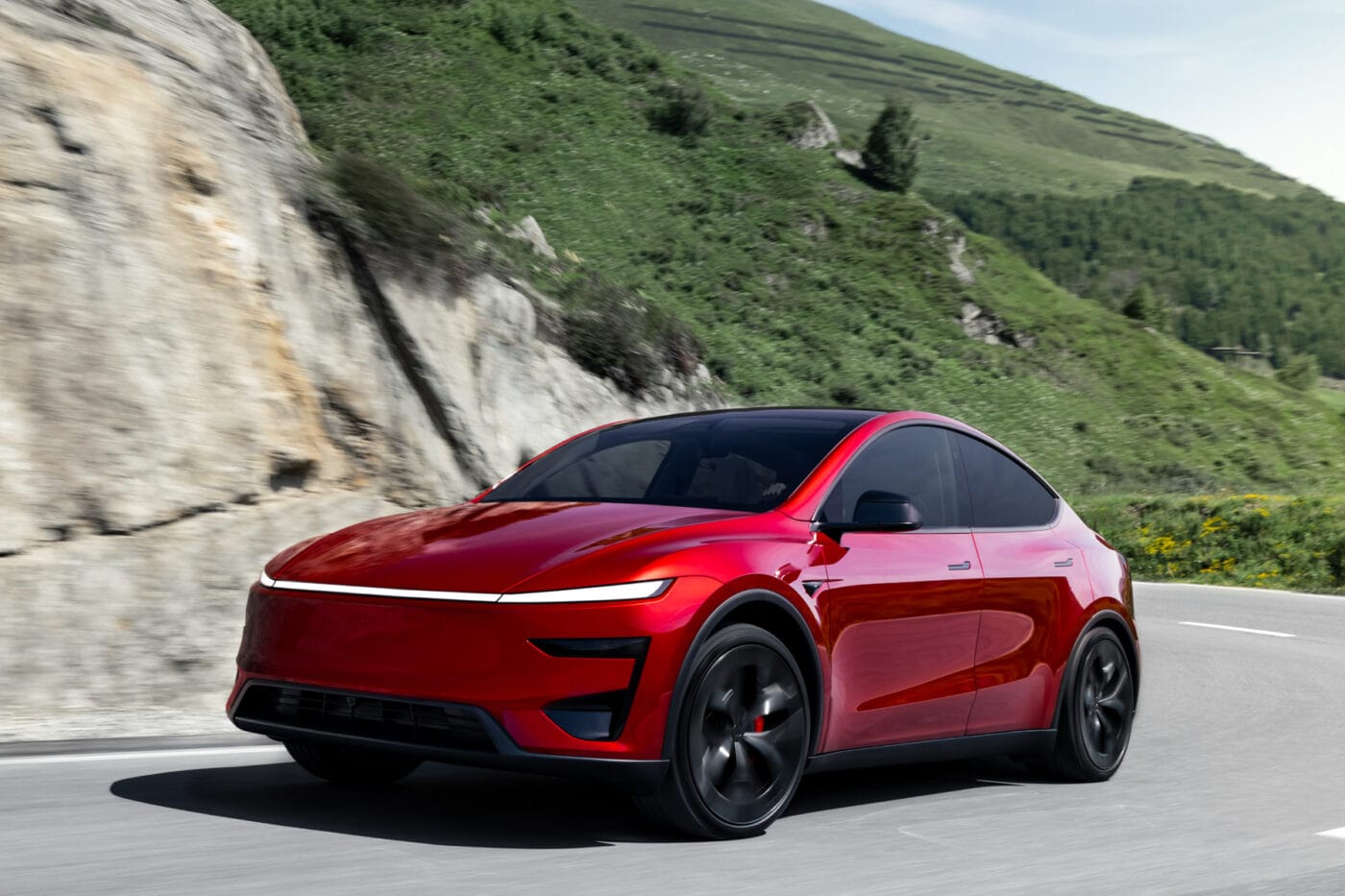
Early EV entrants like Nissan, Renault, and Tesla have some advantage with existing battery supply volumes. Renault and Tesla have been able to obtain increased production because of their existing relationships with cell makers, CleanTechnica says.
The issue is investing in a factory (or factories) so that supply is not in competition with other EV makers.
Tesla keeps up with technology through an exclusive arrangement with battery expert Jeff Dahn, an NMC original patent author who leads chemical research at Dalhousie in coordination with Panasonic experts, and by continuously sampling and monitoring new technology cells.
Battery companies source separators, cathode and anode materials, and electrolytes from various providers. All of these are aspiring to become the preferred materials providers. Components come from companies like BASF and 3M, as well as more niche companies. Initially, those companies developed battery types like NMC as a means of selling the components they produced. Those cell designs are licensed to battery makers like LG and many others, with Argonne and 3M being NMC patent holders.
Some cell designs originated at universities, like Goodenough’s LiFeP chemistry, and are also licensed.
Different companies exist at different levels, licensing proposed battery designs and materials. But a key factor in the industry is that they don’t generally own factories themselves. The design team sells or licenses to battery factories.
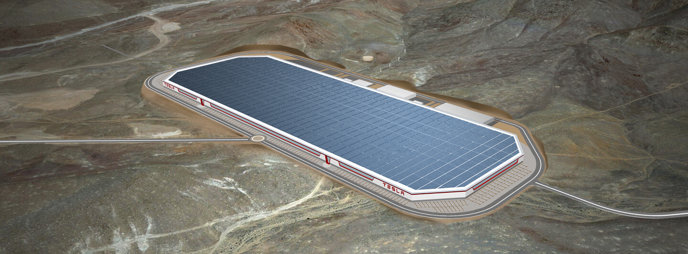
Owning the world’s single largest EV battery factory and having the highest product demand are two major Tesla advantages. The company can choose any new tech that develops and work it into the factory. Importantly, they have the volume demand that justifies it. Other automakers don’t have battery factories that compare to Tesla’s and don’t have the same level of consumer demand for their EVs.
Because Tesla is so large, companies are continuously submitting samples to it and competing for its attention.
Conventional car companies are in a quandary, where the only sources for batteries to compete with Tesla are companies like LG Chem, SK Innovation, CATL, and Samsung SDI, which are just beginning advanced NMC 811 production over the next year.

Join the conversation