
EV startups attract investors
Investors outside the automotive industry are racing to get involved with electric vehicles.
About 250 startups involved in some aspect of electrification have attracted more than US$20 billion in venture capital, particularly from corporations across multiple industries, a Reuters analysis shows.
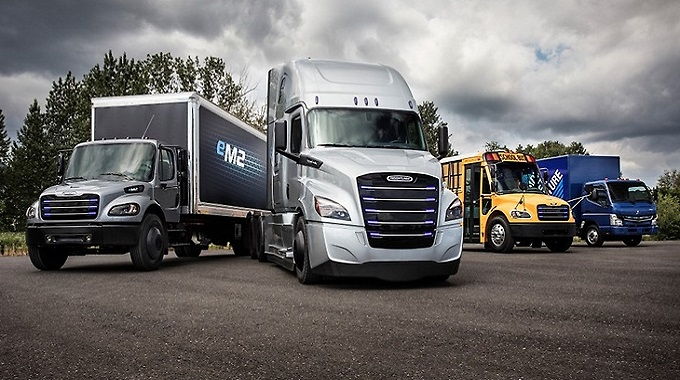
The startups are working on a wide variety of EV related aspects including charging, batteries, intelligent mobility and batteries to a range of new EVs including trucks.

A Boeing-backed electric aircraft is expected to fly in the 2020s.
“Electrification will set off a number of economic changes in the traditional value chain in and around vehicles,” San Francisco-based Trucks Venture Capital managing director Reilly Brennan says, Reuters reports.
Because of those changes, in addition to funding EV development investors see revenue opportunities in related markets, such as consumer products and home energy, he says.
Such opportunities are underpinned by steady improvements in lithium-ion batteries’ energy, prompting forecasts for a surge in fleet electrification amid global efforts to reduce fuel consumption and emissions from traditional internal combustion engine (ICE) vehicles.
Oil companies see EV-related investments partly as a hedge against dwindling demand for fossil fuels for privately owned vehicles, venture investor Synapse Partners managing director Evangelos Simoudis says.
But they also see an opportunity to provide EV charging at service stations.

Henrik Fisker.
Simoudis, who advises corporate executives on new mobility innovation strategy, says aerospace companies also have a vested interest in startups working on advanced battery systems: “Boeing and Airbus are both working on electric planes.”
Large telecommunication companies will play a role in connected EVs, while semiconductor makers such as Intel Corp and Qualcomm Inc see their computer chips being used in an increasing number of applications in future electric and self-driving vehicles, Simoudis says.
Intel is one of the most active corporate investors in electrification, backing a number of battery and charging startups.
Big automakers which have heavily invested in battery startups include General Motors, BMW AG, Daimler AG, Renault SA, Nissan, Hyundai and SAIC.
Investors outside the auto industry include Samsung Electronics and Motorola Solutions, along with energy company Schlumberger NV.
Dozens of the startups focused on EV charging and infrastructure have been funded by many of the same corporate investors, including Chevron Corp and ABB AG.
The greatest interest from investors is in EV startups, Reuters says. More than 50 globally include some in China.
Corporate investment in China’s startups has come from big Chinese companies such as FAW Car Co and battery maker Contemporary Amperex Technology Co, which have backed Byton; technology firms Baidu Inc and Tencent Holdings which have funded WM Motor, and internet giant Alibaba Group Holding which has invested in Xiaopeng Motors.
In the US, GM and BMW have backed Proterra, the electric bus maker, while Caterpillar Inc has invested in Henrik Fisker’s latest EV project, Fisker Inc.

Join the conversation