
Tesla publishes first impact report
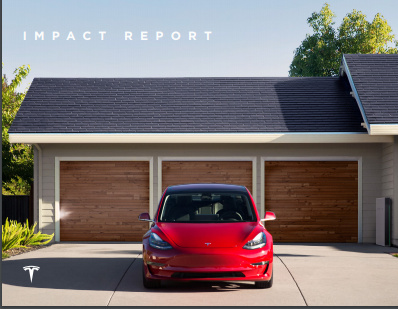
Tesla has released its first report which measures the impact its products and operations have on the environment and communities.
More than 550,000 Tesla electric vehicles have been sold, which have driven more than 16 billion kilometres and helped prevent nearly four million tonnes of CO2 from polluting the environment, the report says.
Tesla’s supercharger network has delivered over 595gWh of energy, saving the equivalent of over 283 million litres of gasoline.
Its solar electricity generation (13.25tWh) has far exceeded the amount of energy the entire Tesla vehicle fleet has consumed from charging (5.26tWh).
“Keeping track of our operational impacts allows us to implement efficiency improvements that simultaneously reduce our impact on the environment while lowering operational costs,” the ‘Tesla team’ says.
Tesla says that in 2017 it established a baseline global carbon impact footprint across its facilities and aims to build out this data. That will help Tesla set specific targets with the goal of driving down its greenhouse gas footprint on a per product basis.
Its long-term plans include installing rooftop solar panels where possible. The Fremont factory has one of Tesla’s first battery pack installations which monitors energy use throughout the day and reduces electricity from the grid during peak hours.
Efficiency improvements to manufacturing systems, combined with a new energy-efficient paint shop, have resulted in over 10gWh of energy savings over the last five years.
Certified as a “zero waste” facility, the factory also diverted more than 93% of waste from landfills to recycling or to a waste-to-energy facility in 2017.
Gigafactory 1 in Nevada provided the opportunity to implement sustainable solutions which include designing the perfect roof for solar panels as the facility will be net-zero energy upon completion, generating dry air naturally, and building a chilled water plant to generate a surplus of cold water naturally at night to provide all day-time cooling needs.
Tesla’s vehicle assembly and distribution plant in Tilburg, Netherlands has a 3.4mW solar array that generates enough electricity to meet the facility’s energy needs throughout most of the year.
Tesla says it’s building a culture that is safe, fair and rewarding for employees and it aims to have the safest factories in the world.
“We recognise there’s still much to be done. As we grow and prove to the world that a business rooted in sustainability can also be successful, we will continue to improve our processes and report on our progress in future impact reports.”


Join the conversation