
BMW CEO resigns as shift to EV progresses
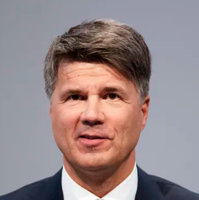
BMW chief executive officer Harald Krüger, 53, announced his retirement after less than five years in office.
Krüger’s indecisive and insufficient response to the fast shift of the premium segments towards electric vehicles (EVs) are a large part of his resignation, according to commentators and speculation.
BMW’s sedan sales have gone down in the last 12 months in the US, down 14.5% from 98,752 to 84,467.
Meanwhile, Tesla’s EVs, namely the Tesla Model 3, has stolen significant US market share in the premium sedan segment. Tesla sold around 184,000 Model 3 sedans in the US over the past 12 months.
“At this point, no one can reliably predict how quickly electromobility will progress, or which drive train will prevail,” said Krüger at the annual BMW Group general meeting in May.
Overall US sedan sales figures of the world’s leading BEV maker are now over twice the volume of BMW’s US car sales, and Tesla’s EVs are threatening to disrupt sales in Europe and Chinese markets.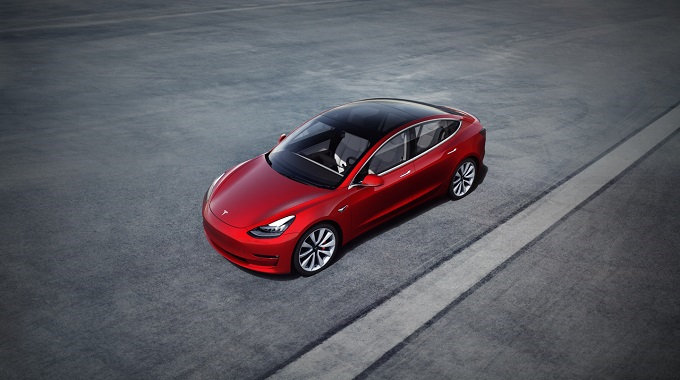
Reported by EVtalk, BMW have 25 electrified models planned for 2023. A mini-branded BEV city car is planned for release at the end of 2019. However, Tesla is well ahead of the game, with an electrified SUV planned for late 2020 that may disrupt BMW’s SUV space in the market.
Other premium auto makers including Jaguar, Audi, Porsche and Mercedes are ahead of BMW in their BEV offerings.
Two potential candidates are in the talks to replace Krüger; BMW’s head of production Oliver Zipse and head of development Klaus Frohlich.
Like Krüger, Frohlich is unconvinced about the shift to EVs. German newspaper FAZ has Zipse as favourite.

Join the conversation