
Batteries included
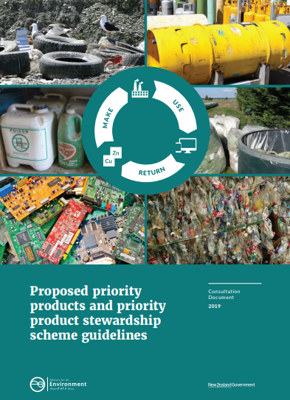
Lithium-ion batteries are among potential environmentally harmful products the Government proposes to deal with before they become waste.
Public consultation on the Proposed priority products and priority product stewardship scheme guidelines released by associate environment minister Eugenie Sage closes on October 4.
Priority product categories proposed for regulated product stewardship schemes include electrical and electronic products (e-waste), starting with lithium-ion batteries; tyres, packaging, refrigerants and other synthetic greenhouse gases, agrichemicals and their containers and other farm plastics.
It’s part of a wider plan to reduce the amount of rubbish ending up in landfills.
“Well-designed product stewardship schemes ensure that those making, selling and using products all help take responsibility to recover the materials and avoid them ending up in landfills,” Sage says.

Eugenie Sage.
“This is the first time that Government has been serious about creating regulated, rather than voluntary, product stewardship schemes in New Zealand,” she says.
“Like other countries New Zealand’s economy is based on a ‘take, make and dispose’ model, which treats nature and the resources it provides as ‘free’ and disposable. Regulated product stewardship is a step towards changing that and to designing waste out of production. This is part of a longer-term goal of moving to a more efficient, low-emissions, sustainable and inclusive economy for New Zealand. “
Sage says regulated product stewardship helps puts the responsibility for effective material and waste management on product manufacturers, importers, retailers and users.
The consultation document proposes to co-design with business and other stakeholders a regulated product stewardship scheme for tyres. This would help to deliver on New Zealand First’s Coalition Agreement with Labour to improve product stewardship of tyres, Sage adds.
“Today’s proposal also presents potential economic benefits. Many products and materials presently lost to landfill could be recovered and reused throughout the economy creating new business opportunities and new jobs.
“Products that have reached the end of their life can be used to make something new, especially if they are designed better for reuse and recycling.”
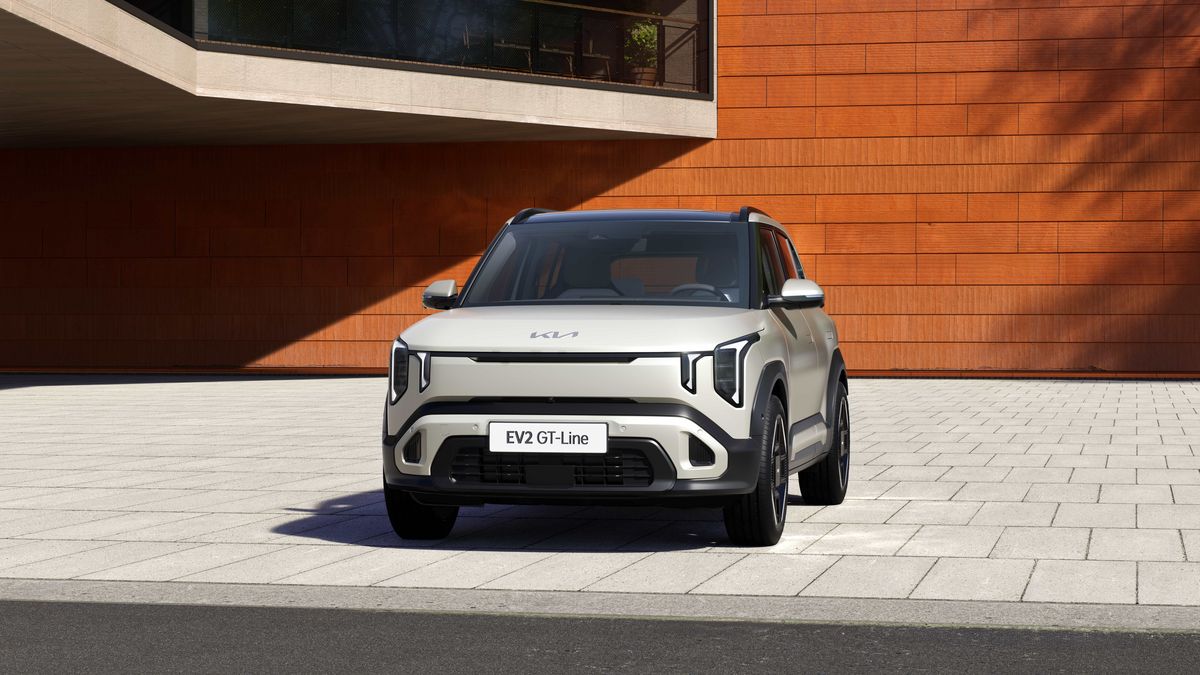
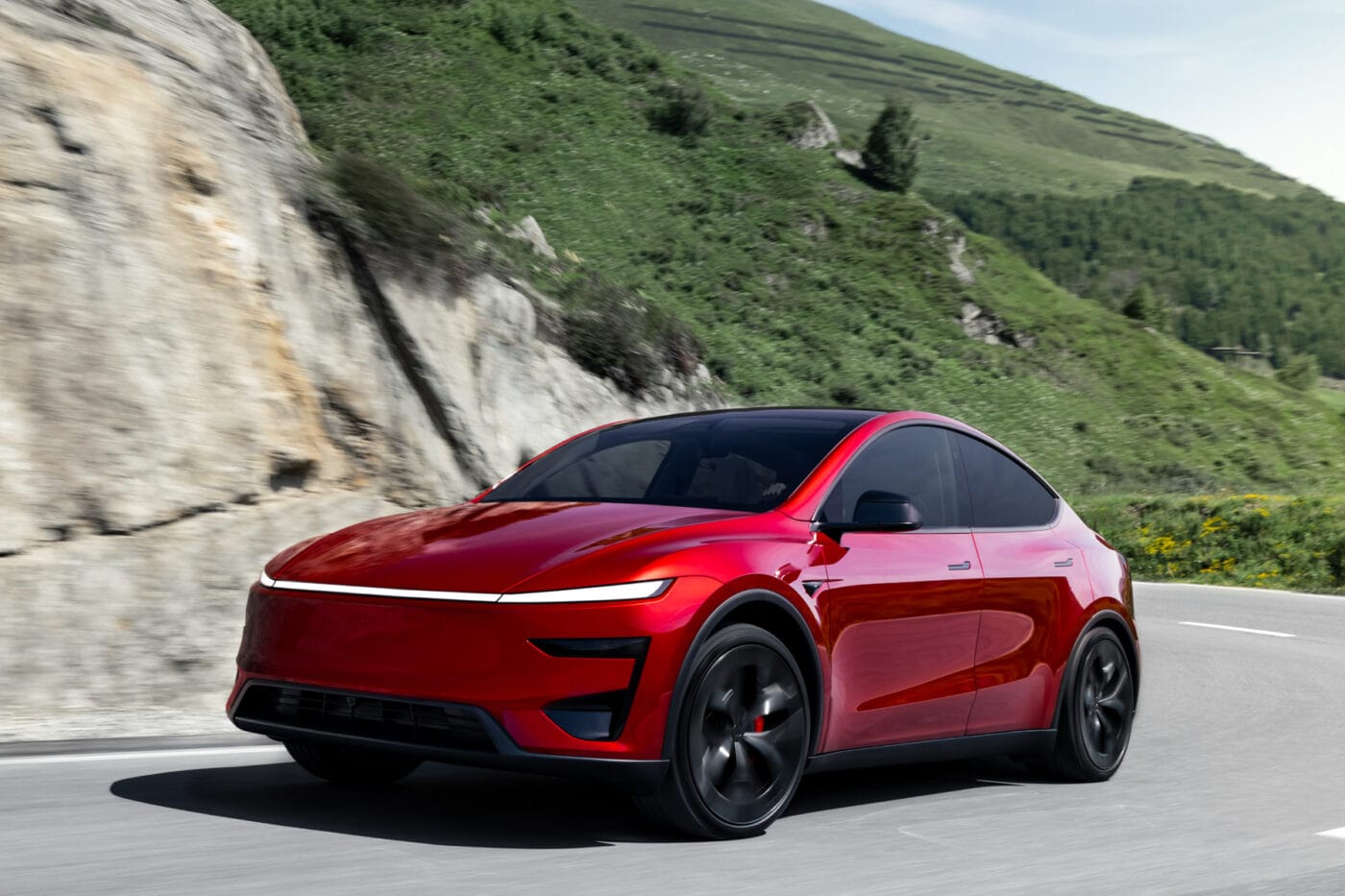
Lithium-ion batteries used in electric vehicles usually last about 10 years and may be repurposed for energy storage – extending their life span to reach an estimated 30 years before being recycled.
The Government’s announcement includes a list of questions and answers, such as whether the project will make the products involved more expensive.
“Not if the schemes are well-designed,” it responds. “Experience from overseas shows this can be done at minimal new cost to business or consumers. Before any regulations are passed, the costs and benefits will be fully analysed and consulted on.”
The announcement points to national battery schemes in Austria, Denmark, Netherlands and France, with recovery rates of 36% to 49%, (NZ$0.08 to 0.54 cents) per person annually.
Draft regulations for each priority product will start to be released for consultation in 2020.

Join the conversation