
Tauranga port invests in electrics and hybrids
Battery-hybrid straddle carriers, electric or hybrid light vehicles and biodiesel will help reduce Port of Tauranga carbon emissions.
The port is targeting net-zero emissions by 2050, it says in the latest financial year report.
“We are committed to the Paris Agreement target to keep global warming well below two degrees,” the company says.
The port has Certified Measurement and Reduction Scheme (CEMARS) accreditation of its carbon emissions measurement and management and an initial short-term goal of a 5% reduction in Scope 1 emissions per cargo tonne.
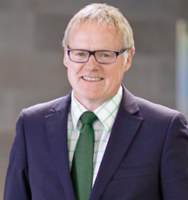
Port of Tauranga chief executive Mark Cairns says the company will “inset” the potential cost of carbon offsets by investing in sustainability initiatives within the business.
“This year we have set aside $1 million which we are investing in more expensive battery-hybrid straddle carriers. The largest source of our emissions is from diesel-powered straddle carriers at the container terminal,” he says.
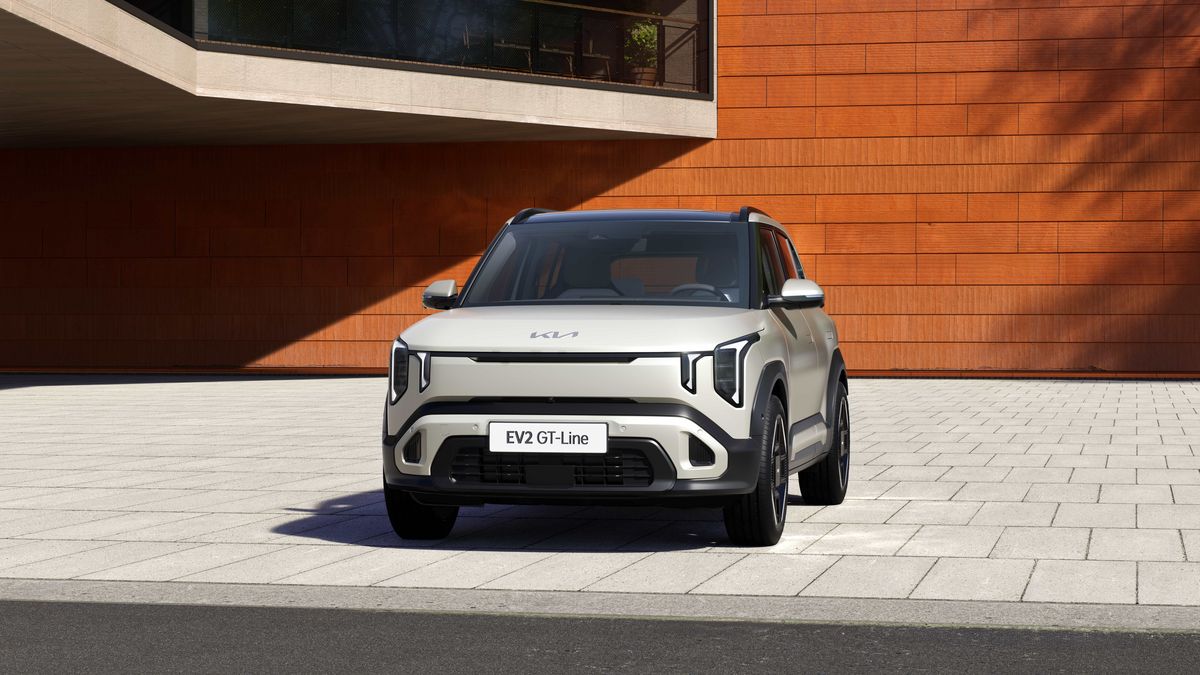
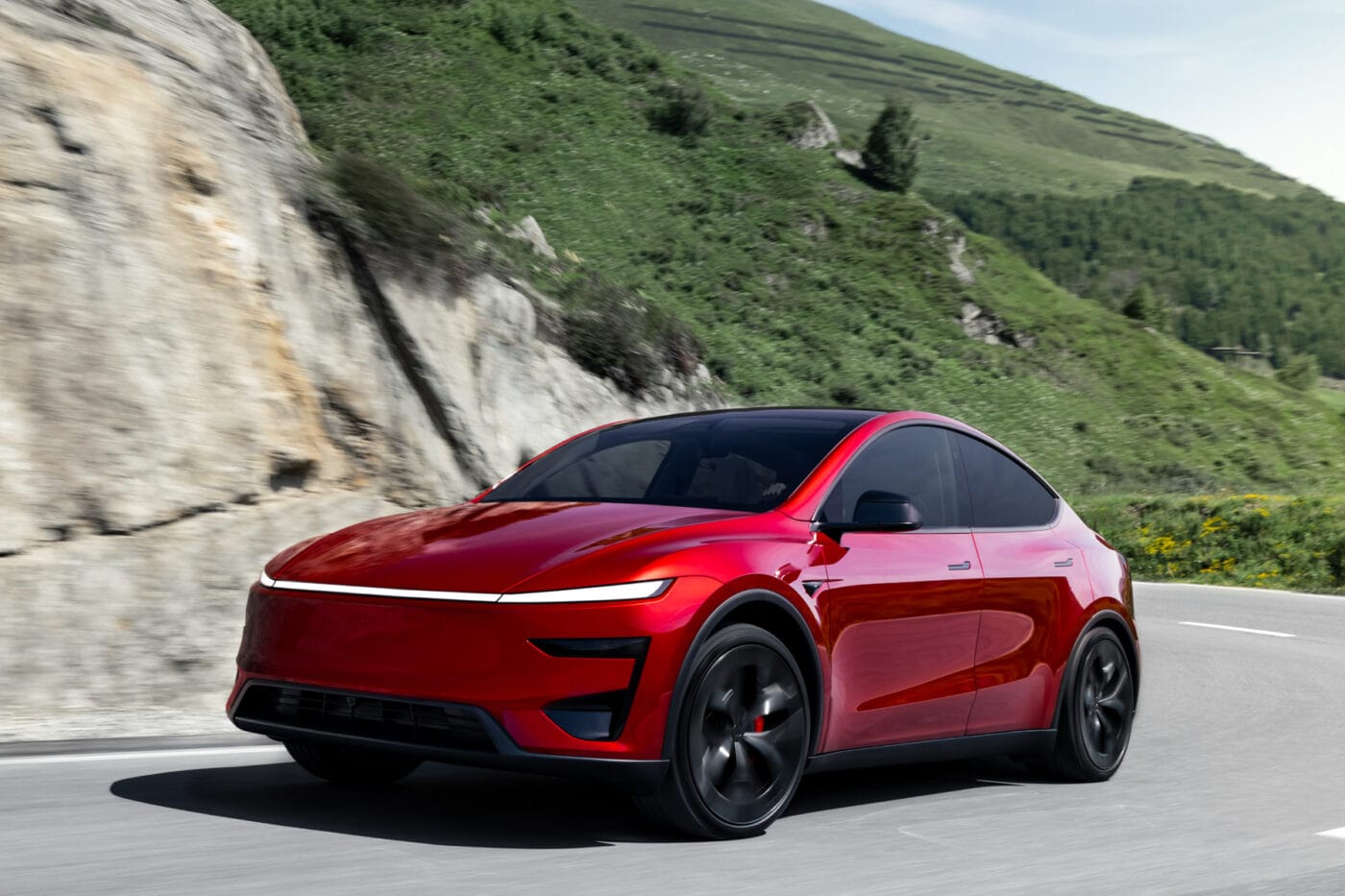
“We are also replacing light vehicles with electric or hybrid models where available, and using biodiesel where we can. Our modern fleet of ship-to-shore gantry cranes now all have sophisticated electric motors that re-generate up to 700kW of electricity when lowering a container onto the vessel or terminal, which can then be made available to any adjacent cranes lifting containers or fed into the reefer blocks, greatly reducing our electricity consumption.”
Cairns says rail transport is preferred over road because of the lower emissions and that the port is working with KiwiRail to reduce train-related emissions through efficiency and technology.
He notes a Government-appointed working group is reviewing the supply chain with a view to moving significant cargo volumes from Ports of Auckland to Northport in Whangarei (50% owned by Port of Tauranga).
“We see a growing role for Northport in helping to alleviate the pressure on Ports of Auckland.”
First quarter trade reports and updates will be provided at the annual shareholders’ meeting on October 25.

Join the conversation (1)
How ironic. The same CEO drives a gas guzzling McLaren for a private vehicle.