
Government moves public service fleet EV goalpost
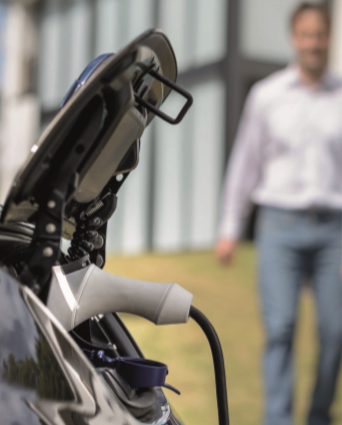 A target of having a zero-emission fleet by mid-2025 has been abandoned by the Government, now aiming for after that date.
It has just 78 electric vehicles in the 15,473 fleet – less than 0.05%, Newsroom reports.
The Labour-NZ First coalition agreement established when it entered office in late 2017 stated the fleet would be emissions-free by mid-2025 where practicable.
The change to the Government’s commitment, outlined its Climate Action Plan, has been slammed by Greenpeace climate and energy campaigner Amanda Larsson
“The Government’s quiet back down on electrifying its vehicle fleet is surprising and incredibly disappointing,” she told Newsroom.
“This is a climate emergency and the Government should be leading by example to cut our dependence on the dirty fuels driving this crisis.”
Transport minister Phil Twyford still believes nearly all Government vehicles will be emissions-free by 2025/26, where practicable.
He says some zero emission vehicles can’t do the required job.
Twyford points out that the Government leases its fleet with vehicles replaced about every three to five years, meaning some internal combustion engine (ICE) vehicles could remain in service past 2030.
Associate Minister for Transport Julie Anne Genter has also signalled that Government agencies need to reduce fleet emissions at a faster rate than that proposed for the national fleet.
The previous National Government aimed to make a third of its fleet electric or hybrid by 2021 – with 514 hybrids now in the fleet.
Newsroom
notes both targets would be difficult to achieve.
EVtalk has been covering New Zealand organisations committing to 30% EVs in their fleets where practicable by the end of 2019 and notes a number are struggling to reach their targets.
That’s often attributed to the lack of suitable low to zero emission vehicles available – such as utes, trucks and off-roaders – and a lack of infrastructure in some areas to support EVs.

Join the conversation