
Foodstuffs shopping around for EVs
This story first appeared in the August issue of EvTalk – CLICK HERE to download the magazine FREE
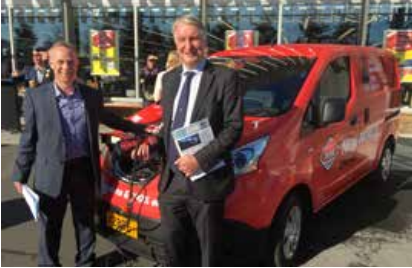 While Foodstuffs NZ stores have taken delivery of 28 electric vans and have three electric trucks under construction, it has been struggling to find suitable EVs to replace more than 400 vehicles in its two corporate fleets, in the North Island and South Island.
“The 30% by end of 2019 call was very ambitious,” Foodstuffs NZ sustainability programme manager Mike Sammons says.
“It doesn’t make commercial sense for most companies given the huge price differential between ICE and electric vehicles and the limited charging infrastructure previously available.
“I think EECA were correct in supporting charging infrastructure rather than vehicles, as the market will deliver vehicles, I believe.
It’s just taking a bit longer than we anticipated as a lot of the promised models from European manufacturers have either not come to market yet or when they have come to market, have proved prohibitively expensive.
“The Japanese manufacturers continue to be reluctant to step into the 100% electric space, so it’s China that will probably fill the void in terms of longer range, competitively priced vehicles in the short to medium term.”
Sammons says corporate light vehicle fleets in the North and South Islands have been waiting for longer range, better priced vehicles to become available.
“To date, we only have one Hyundai Kona for a total fleet size of over 400 vehicles.
So, at present, the corporate fleet is at less than 1% electric.
“We haven’t been able to make the numbers work this year and have focused on rationalisation of fleets rather than EV transition.”
Sammons says Foodstuffs North Island will have shrunk its fleet by 30% by the end of this year.
“It’s the same model with energy in our buildings – we minimise usage first and only then look at renewables.”
Foodstuffs NZ is hoping that with new Chinese EVS on the market next year offering good range (300km) and lower prices, it will provide the opportunity to start a meaningful change.
“I’m confident we will have 20 EVs in the light vehicle fleet by the end of 2020 and we will push for a mostly electric online delivery fleet by end of 2021, but again dependant on new models becoming available,” Sammons says.
Working with ChargeNet NZ and EECA, Foodstuffs has 50% of New Zealand’s fast chargers (70x 50kW fast chargers available to the public) at stores around the country.
The 28 stores with electric vans also have 21kW dedicated van chargers.
“Another factor for Foodstuffs North Island is the planned move to new premises next year.
It didn’t make sense to install charging infrastructure on a site you will be vacating soon.
“Our new head office/distribution centre , due for completion late 2020) will have at least 10 chargers for anticipated electric fleet vehicles,” Sammons says.
“Essentially the infrastructure is either already there or planned for the places the vehicles will be domiciled or visiting, we are just waiting on the business case for the vehicles.”
He says it’s the price of longer range EVs which is making the transition difficult for Foodstuffs NZ, and probably others too.
The lack of affordable suitable EVs also means Foodstuffs isn’t fully engaging staff in the changeover just yet.
“For our corporate people, it’s all about visiting stores, so with fast chargers at a lot of those stores we have excellent charging infrastructure already,” Sammons says.
“The grocery logistics business is all about six, 11 and 24 tonne trucks. These are sizes of electric trucks we’re converting from diesel to electric this year; this will be more challenging but we are hopeful Isuzu will manufacture electric trucks soon, and eventually offer even larger electric trucks.”
Doorstep delivery involves smaller vans, and Foodstuffs NZ hopes China will offer a range of these EV types in 2020.
“With China starting to look to export EVs in a meaningful way next year, we are hopeful that we will be able to make the numbers stack up,” Sammons says.
He expects rebates proposed for EVs in 2021 under the Government’s “clean car” plan should speed the EV transition along post-2020.
“So, no big change for the next 9-12 months, then a big shift is my guess.”
Sammons believes a combination of Chinese EV supply and support for climate change actions will drive EV adoption rates significantly during the next two to five years.

Join the conversation