
Video: E-mobility key to cutting GHG emissions
Global greenhouse gas emissions (GHG) must drop by more than 7.6% annually during the next 10 years to meet the Paris accord’s 1.5 degrees Celsius target.
That warning and more comes in the newly released Emissions Gap Report 2019 from the UN Environment Programme which looks at the potential of the energy transition – particularly in the transport, power, and building sectors.
The report presents the latest data on the expected gap in 2030 for the 1.5°C and 2°C temperature targets of the Paris Agreement. It considers different scenarios and looks at how large annual cuts would need to be from 2020 to 2030 to stay on track to meeting the Paris goals.
If all the present unconditional commitments under the Paris Agreement are implemented, temperatures are still expected to rise by 3.2°C, expected to see more destructive climate impacts such as fires and storms.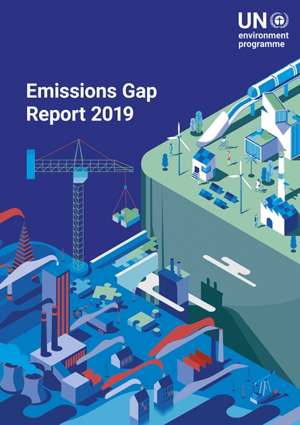
The report’s executive summary says that by 2030, emissions would need to be 25% and 55% lower than in 2018 to put the world on the least-cost pathway to limiting global warming to below 2˚C and 1.5°C respectively.
“Renewables and energy efficiency, in combination with electrification of end uses, are key to a successful energy transition and to driving down energy-related CO2 emissions,” the report says.
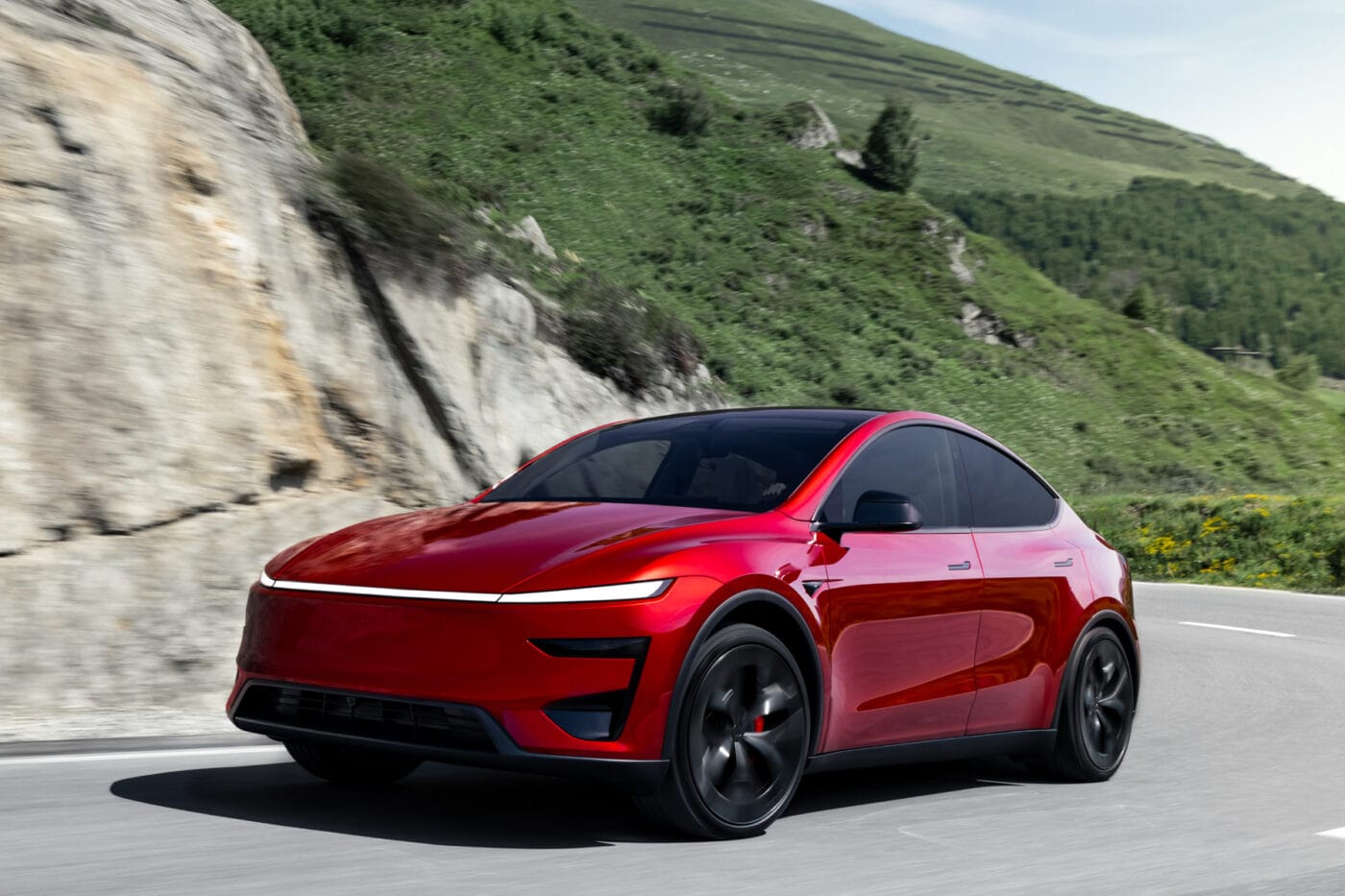
It suggests a focus on electric mobility for decarbonising transport and expanding renewable energy for electrification.
The report says G20 members account for 78% of global GHG emissions and are collectively on track to meet their limited 2020 Cancun Pledges.
But the report suggests seven countries are not on track to meet 2030 NDC commitments, “and for a further three, it is not possible to say”
These include Canada, Indonesia, Mexico, the US, South Africa and the Republic of Korea.
Australia is singled out as “carrying forward their overachievement from the Kyoto period to meet its 2020 Cancun Pledge counts cumulative emissions between 2013 and 2020”.
“With this method, the Australian Government projects that the country will overachieve its 2020 pledge. However, if this ‘carryforward’ approach is not taken, Australia will not achieve its 2020 pledge.”
Five G20 members (the European Union and four individual members) have committed to long-term zero emission targets, of which three are in the process of passing legislation.
The report says 2020 is a critical year for climate action.
“Technologies and policy knowledge exist to cut emissions, but transformations must begin now,” it adds.
“For 10 years, the Emissions Gap Report has been sounding the alarm – and for 10 years, the world has only increased its emissions,” UN secretary-general António Guterres says.
“There has never been a more important time to listen to the science. Failure to heed these warnings and take drastic action to reverse emissions means we will continue to witness deadly and catastrophic heatwaves, storms and pollution.”


Join the conversation