
Lithium-sulphur batteries may revolutionise EVs
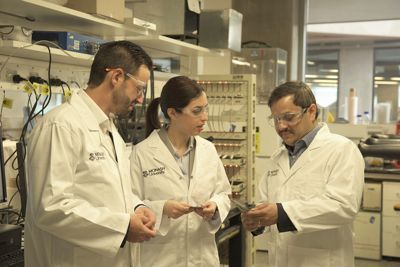 A new design for lithium-sulphur (or sulfur) batteries allowing them to be charged and discharged hundreds of times without breaking down has been developed by a Melbourne Monash University team.
A commercial product could be ready in two to four years, Mahdokht Shaibani from the Monash research team says in The Conversation, and used in EVs to provide nearly 1000km range.
It could also be used in smartphones – allowing them to run five days without charging – solar grids and computers.
The battery has a higher energy intensity than lithium-ion, the sulphur used in electrodes is low cost and it could outperform by more than four times those batteries from leading manufacturers, the research team says.
They have a patent approved for the battery which uses bonds between the sulphur particles to allow more room for expansion and contraction, therefore providing a longer life.
The team gained more than A$2.5 million from government and industry to trial the battery in cars and grids from 2020.

Join the conversation