
UK carbon emissions return to 1988 levels
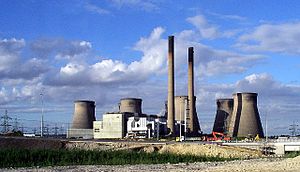 The United Kingdom’s carbon dioxide emissions have dropped 29% since 2010, a study has found.
Carbon Brief reveals carbon emissions fell 2.9% in 2019, levels for that year equalling 1988 measurements.
Declining emissions is mainly attributed to coal use reductions, with carbon emissions from that source down by up to 80%, while emissions for natural gas dropped by 20% and oil 6%.
The UK has brought forward a ban on selling new petrol, diesel and hybrid vehicles from 2040 to 2035, aiming to meet a target of almost zero carbon by 2050.
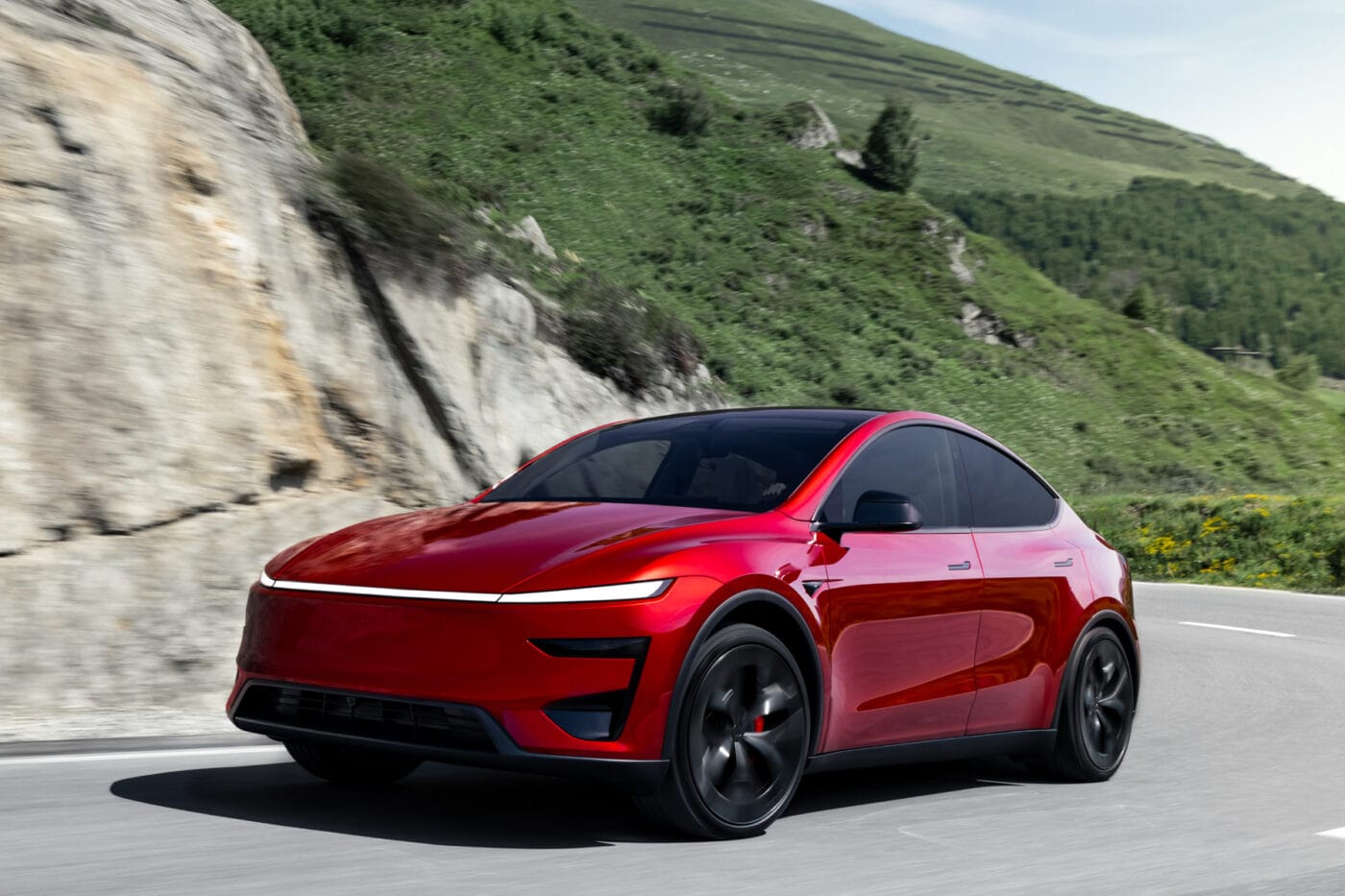
Demand for EVs is expected to step up to help meet emission targets and avoid central city bans on fossil fuels.
It’s reported that just 1.6% of new passenger vehicle sales last year were EVs, but these will need to comprise most sales from 2035.
Significant effort has been made to adhere to emissions reductions goals set by the Paris Climate Agreement in 2015, media say.
Carbon Brief says the 2020s need to be a “decade of action” to achieve global goals limiting temperature rise.
The UK was the first country to introduce legally binding nationwide legislation to address climate change when the 2008 Climate Change Act was passed, the Committee on Climate Change says.
The act includes a 2050 target for emissions reductions, five-yearly ‘carbon budgets,’ and a climate change adaptation plan.
While the UK is working towards its carbon budget goals, it needs to further reduce emissions by 31% by 2030 to meet its target, Carbon Brief notes.
Last year, the UK’s CO2 emissions were estimated at 354 million tonnes – about 41% below 1990 levels.


Join the conversation