
Drivers fed up with congestion worldwide
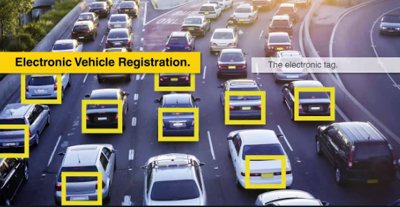
Most roads around the world have been nearly empty during the COVID-19 pandemic, so drivers in the Americas, Europe, and Australia don’t want traffic congestion to return to normal.
Nearly 70% of 9000 citizens representative of nine countries surveyed by a market research institute for the Kapsch TrafficCom Index are especially unhappy about congestion in city centres during rush hours, which could perhaps lead to improving EV uptake, e-mobility and car sharing.
The top three negative effects people complain about are how the environment and air quality suffer, travel times rise, and stress levels increase.
Citizens most concerned with air quality and environmental degradation – the number one negative effect – are in Spain and Chile, with drivers in the US and Australia more concerned about stress levels and travel time.
However, the harmful impacts of congestion do not necessarily lead drivers to change their habits to bring down pollution, the research suggests.

Asked about their preferred routes, 60% of surveyed drivers prefer to shorten travel time rather than finding an option with the lowest environmental impact.
“Public authorities play a key role in traffic management of the future,” Kapsch TrafficCom chief executive Georg Kapsch says.
“The COVID-19 pandemic, climate change, and the discussions on the future of mobility all illustrate the need to balance personal and community interests,” he says.
“The Kapsch TrafficCom Index shows us that drivers want to be more eco-friendly but need direction to help to counteract negative mobility effects for themselves and their communities.”
Based in Austria, Kapsch Group is an international corporation specialising in telematics such as electronic vehicle registration, information technology and telecommunications.


Join the conversation