
GM going green
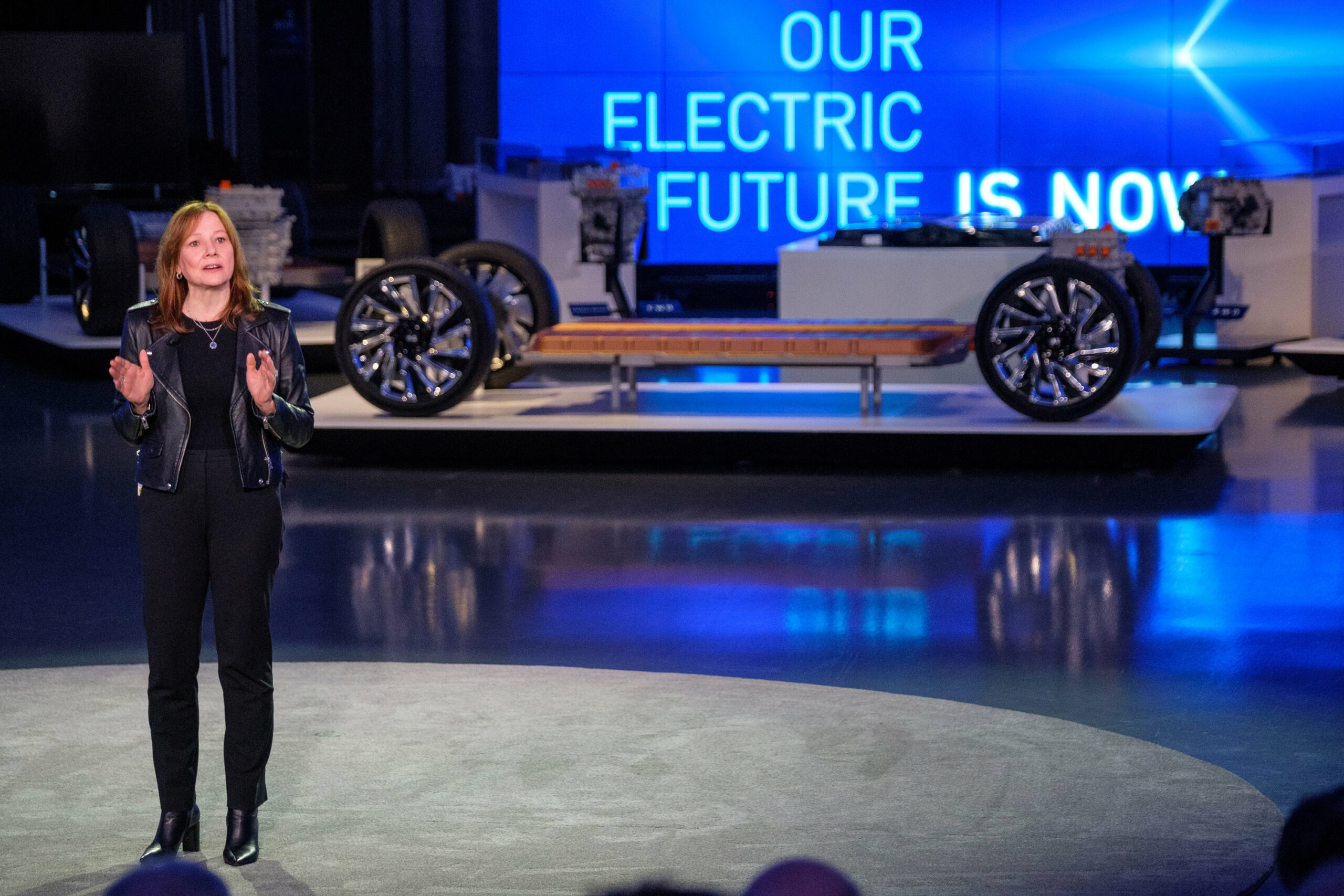
General Motors (GM) aims to be carbon neutral by 2040 in its global products and operations.
It’s also working towards an all-electric future and aspires to eliminate tailpipe emissions from new light-duty vehicles by 2035.
To reach its goals, GM plans to decarbonise its portfolio by transitioning to battery electric vehicles (BEVs) or other zero-emissions vehicle technology, sourcing renewable energy and leveraging minimal offsets or credits.
It will offer 30 all-electric models globally by mid-decade and 40% of the company’s US models offered will be BEVs by the end of 2025. GM is investing US$27 billion in electric and autonomous vehicles (AVs) in the next five years – up US$7b on plans before the COVID-19 pandemic.
This investment includes continued development of GM’s Ultium battery technology, updating facilities such as Factory Zero in Michigan and Spring Hill Manufacturing in Tennessee to build EVs from globally sourced parts and investing in new sites like Ultium Cells LLC in Ohio as well as manufacturing and STEM jobs.
More than half of GM’s capital spending and product development team will be devoted to electric and electric-autonomous vehicle projects.
GM also plans to offer an EV for every customer, from crossovers and SUVs to trucks and sedans.
The company has signed the Business Ambition Pledge for 1.5⁰C, an urgent call to action from a global coalition of UN agencies, business and industry leaders.
“General Motors is joining governments and companies around the globe working to establish a safer, greener and better world,” GM chairman and chief executive Mary Barra says.
“We encourage others to follow suit and make a significant impact on our industry and on the economy as a whole.”
GM’s focus will be offering zero-emissions vehicles across a range of price points and working with all stakeholders, including the Environmental Defense Fund (EDF) to build out the necessary charging infrastructure and promote consumer acceptance.
“With this extraordinary step forward, GM is making it crystal clear that taking action to eliminate pollution from all new light-duty vehicles by 2035 is an essential element of any automaker’s business plan,” EDF president Fred Krupp says.
“EDF and GM have had some important differences in the past, but this is a new day in America — one where serious collaboration to achieve transportation electrification, science-based climate progress and equitably shared economic opportunity can move our nation forward.”
The company is implementing plans now to reduce the impact associated with its supply chain while supporting grids and utilities to power EVs with renewable energy.
GM has worked with some of its largest suppliers to create a sustainability council to share best practices, learn from each other and create new standards for the industry.
It is also working with EVgo to triple the size of the nation’s largest public fast charging network by adding more than 2700 new fast chargers by the end of 2025.
GM isn’t chucking in internal combustion engine (ICE) vehicles altogether though.
The company will also continue to increase fuel efficiency of its traditional ICE vehicles in accordance with regional fuel economy and greenhouse gas regulations.
Some of these initiatives include fuel economy improvement technologies, such as Stop/Start, aerodynamic efficiency enhancements, downsized boosted engines, more efficient transmissions and other vehicle improvements including mass reduction and lower rolling resistance tyres.
Join the conversation