
Polestar 4 SUV gets a rear window, 2,000kg towing and NZ pricing from $109,900
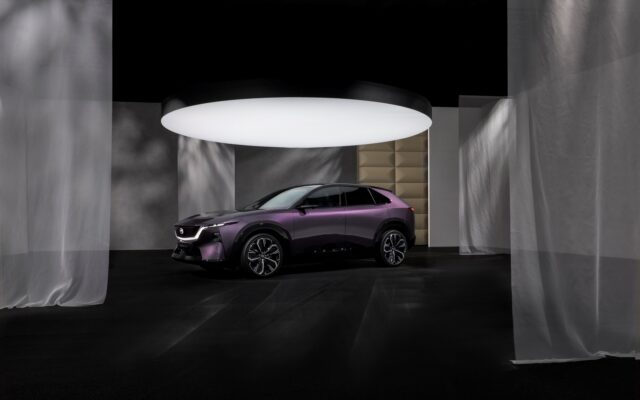
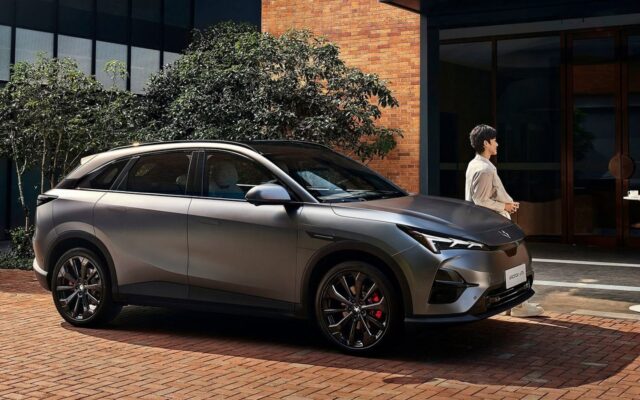
Polestar unveils an SUV version of the Polestar 4 with a rear window, 2,000kg towing and New Zealand pricing matching the coupe from $109,900, with deliveries planned from late 2026.
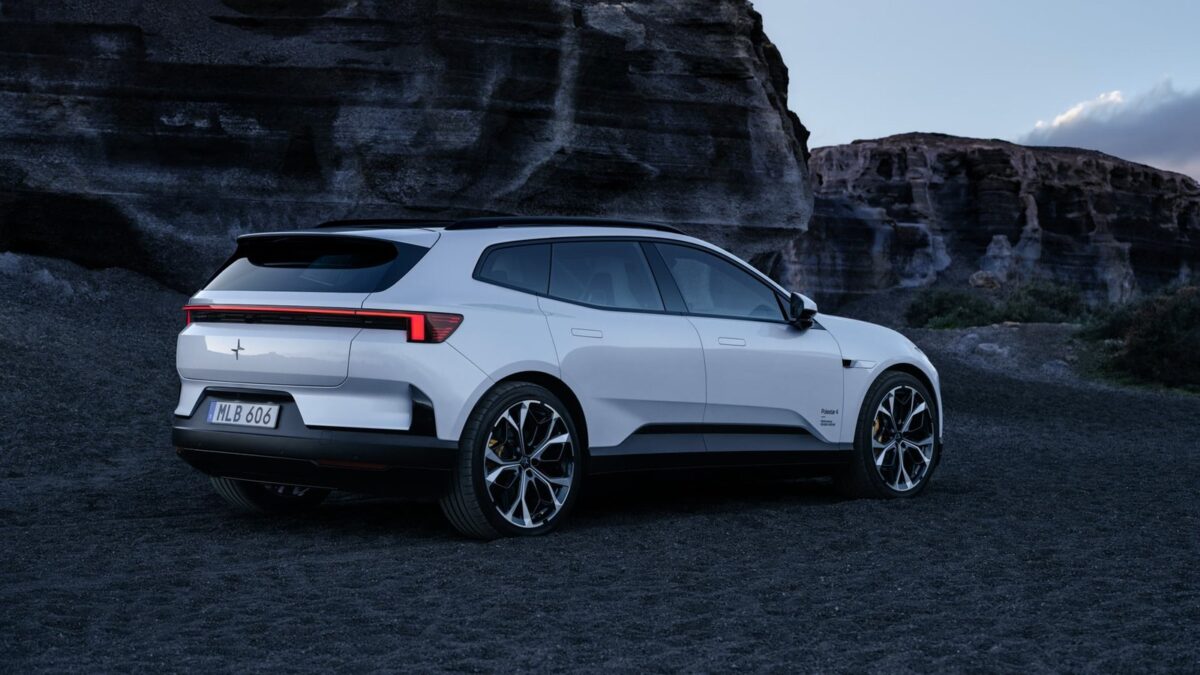
Polestar has unveiled an SUV version of the Polestar 4, restoring the rear window the electric coupe famously did without, and priced it for New Zealand at the same $109,900 and $119,900 as the coupe, with local deliveries planned from the fourth quarter of 2026.
The more conventional rear end brings practicality with it: 530 litres behind the rear seats, 655 to the roof, and 1,665 litres with the 60/40 seatbacks folded, plus a front compartment for 1,680 litres in total. Roof rails rated to carry 100kg are standard, towing capacity is 2,000kg on both variants with an optional retractable electric towbar, and a conventional rear-view mirror is fitted, with the coupe’s digital mirror remaining an option for when the load bay is full. Polestar says only 48 new parts were needed to create the SUV.
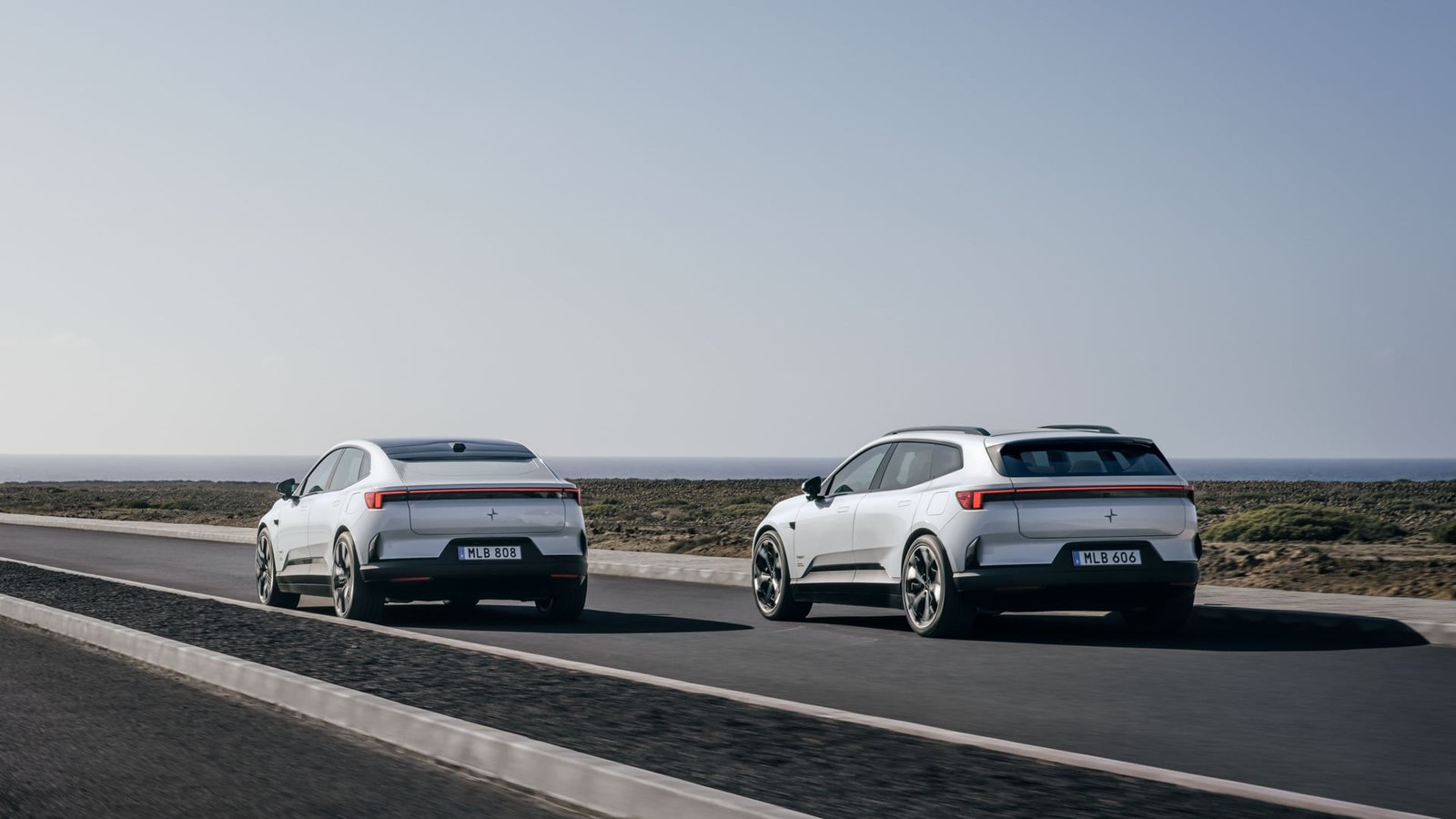
The low roofline gives the SUV something of a wagon profile, a body style enjoying renewed popularity in China. Unlike most of Polestar’s range, the SUV will be built at the company’s plant in Busan, South Korea.
Underneath it shares the coupe’s SEA platform and powertrains. Both New Zealand versions run a 100kWh battery with DC charging at up to 200kW. The Long Range Single Motor drives the rear wheels with 200kW and 343Nm, covers up to 630km on the WLTP cycle and reaches 100km/h in 7.3 seconds. The Long Range Dual Motor pairs two motors for 400kW and 686Nm, a 3.9-second sprint and 600km of range. A Performance Pack on the dual-motor car, taking the price to $128,900, adds recalibrated ZF dampers, Brembo brakes with Swedish gold calipers, 22-inch wheels and Pirelli P Zero tyres, and trims range to 520km.
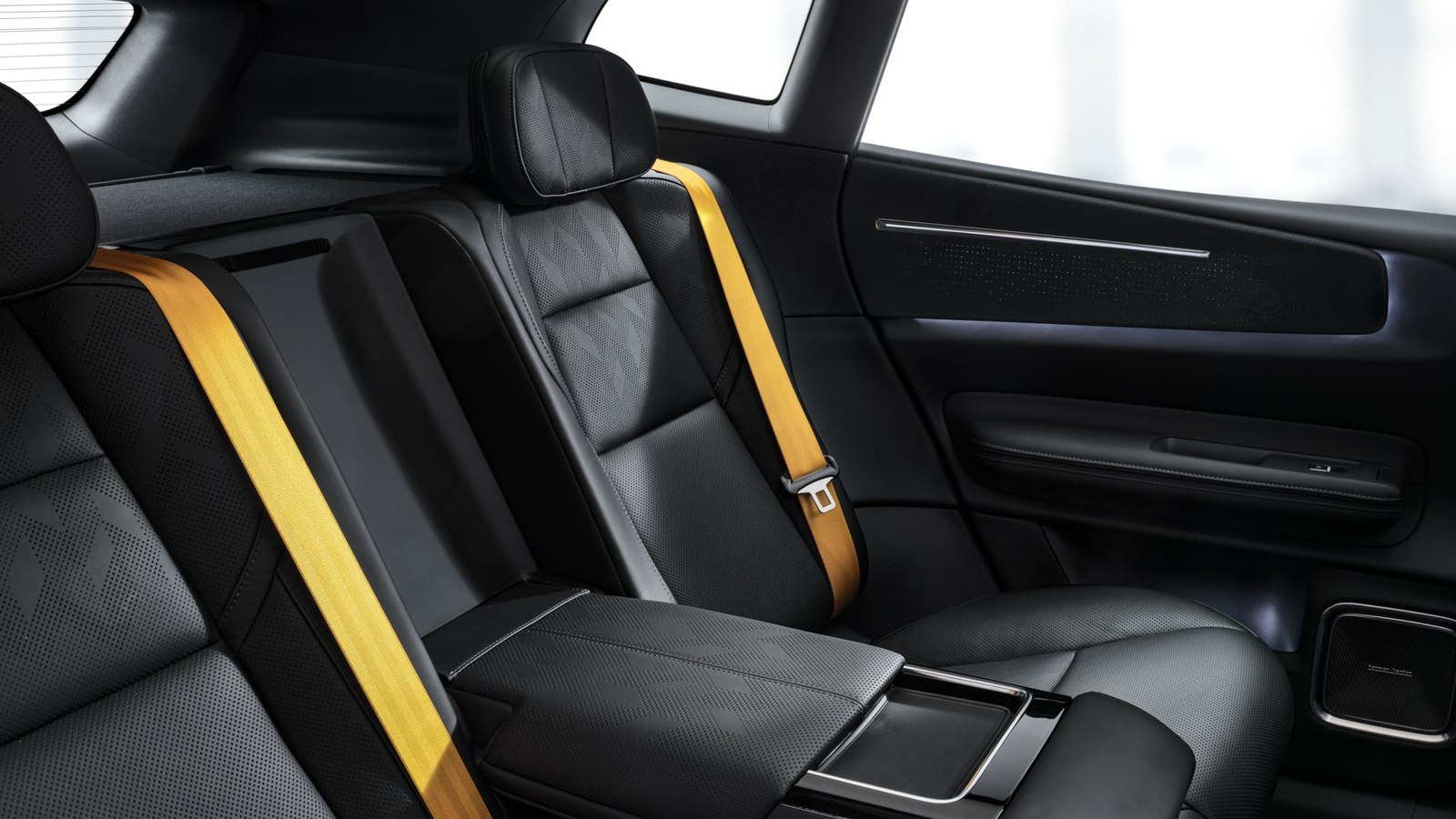
The cabin is carried over from the coupe apart from the glass rear window, though the more upright tail adds 2.5cm of rear headroom, and a larger panoramic roof running to the tailgate is standard, with an electrochromic dimmable version unique to the SUV as an option. Google Gemini replaces Google Assistant for voice control across the range. Vehicle-to-load, supplying up to 3.3kW through an adapter, and a new Camping mode that keeps the parked car climate-controlled with entertainment and lighting running, arrive for all Polestar 4s in a future software update.
“This model will play an important role in the premium SUV segment in which EV has 71% share,” says Polestar New Zealand brand manager Bruce Fowler. Polestar is distributed here by NordEast, the same group behind Geely’s local expansion, whose general manager Dane Fisher describes the shooting-brake-inspired SUV as strengthening its premium EV portfolio “at exactly the right time for the New Zealand market”. Polestar puts the car’s cradle-to-gate carbon footprint at 20.2 tonnes CO2e for the rear-motor version and 21.1 tonnes for the dual motor.
Its most direct rival is another car built on the same architecture. The Zeekr 7GT shooting brake we drove at Highlands last week sits on the SEA platform too, offers up to 500kW and 450kW charging, and arrives in New Zealand around the same time, though Zeekr has yet to release local pricing. Polestar registered five vehicles in New Zealand in August.
Production began in Busan in the second quarter, and Polestar New Zealand says customer deliveries are planned from the fourth quarter of 2026, although the brand’s local website has listed February 2027.
Join the conversation