
NZ can be a ‘fast follower’ in transforming its vehicle industry
New Zealand should set goals similar to those for Europe for vehicle emission reductions, allowing for a two-year delay to account for local market transition factors and to enable local new vehicle distributors to transition in an orderly and sustainable manner.
That’s the view of the Ford Motor Company of New Zealand – broadly shared by many other major automotive industry representatives – in its submission to the parliamentary select committee’s review of the Land Transport (Clean Vehicles) Amendment Bill working towards the introduction of the Clean Car Standard.
While sharing the goal of a low emissions future, Ford NZ suggests the adoption of an “international alignment strategy” to achieve those aims, adding the proposed 2027 target is three years ahead of when other jurisdictions plan to be at comparable levels.

New Zealand is a small, right-hand drive market, says Ford NZ managing director Simon Rutherford, adding the eligibility cap for commercial vehicles under the Clean Car Discount (rebate) should be lifted from $80,000 to $100,000, especially as new technologies for EVs are relatively more expensive than their internal combustion engine (ICE) counterparts and they last about three times longer.
Rutherford explains the cap limits EVs which offer the greatest real-world benefit for improved outcomes.
“We will get solutions but are they more capable and more affordable?”
Ford NZ says the tare weight ceiling of 2000kg for passenger vehicles and 2200kg for commercial vehicles further penalises products likely to be impacted by future Clean Car Discount legislation, adding EV batteries often contribute to their generally higher weight.
Rutherford says this could place significantly higher cost burdens on commercial vehicle consumers such as primary producers and tradespeople, adding a vehicle should do what a customer expects of it.
He says a person needing a low to zero emission work vehicle for use say in a forest may have to rely on that vehicle in isolation for several days and include carrying and possibly running their tools from it.
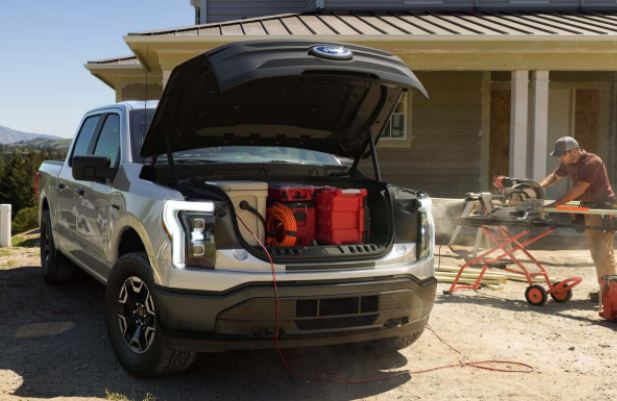
Explaining that Ford is doing what it can to help New Zealand’s transition, Rutherford says Ford NZ already has several plug-in hybrids here and is bringing in the fully electric E-Transit van from mid-2022, although no commitment has been made to have the new electric Lightning F-150 ute here when it is launched in the US next year.
Rutherford says the Lightning wouldn’t comply with New Zealand vehicle requirements at this stage.
He says he doesn’t want to see New Zealand’s transition to lower emissions “run out of steam”, which is among the reasons for Ford NZ seeking the changes it advocates.
Autotalk provides for people wanting to catch up with the select committee proceedings, or you can read more on the parliamentary select committee site, including clicking on “submissions and advice”.

Join the conversation