
Scandinavian EV disruptor arrives

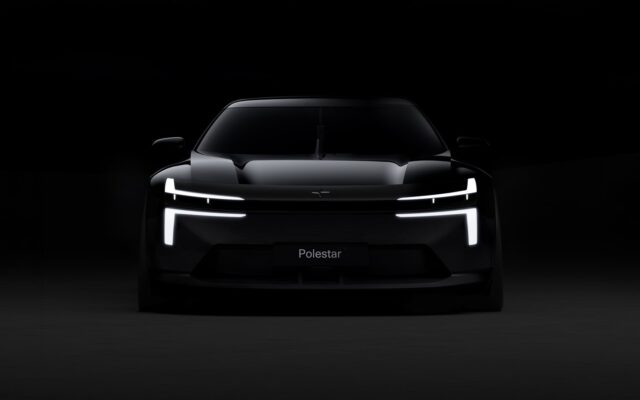
The Scandinavian Polestar electric performance brand has officially arrived in New Zealand with a business to consumer direct digital retail model similar to that employed by Tesla Motors.
Owned jointly by Volvo Cars and Geely Holdings, more than 100 Polestar 2 vehicles have been presold to eager New Zealand buyers through its digital channels with deliveries beginning in early December, according to Polestar New Zealand brand manager Bruce Fowler.
The Giltrap Group has been appointed the official distributor/retailer of the Polestar brand here in New Zealand and it says servicing for the new electric fastback model will be available through the national Volvo Cars dealer network
Three models of the Polestar 2 fastback performance battery electric vehicle (BEV) will be available to New Zealand buyers both online and in a Polestar Space which is being created in the former Giltrap Skoda showroom in Newmarket.
Sixt Rent-a-Car in Wellington, Christchurch, and Queenstown will be able to offer a complimentary hire of three hours (up to half a day) for prospective buyers to test drive the Polestar 2.
For those intenders who take the Polestar 2 for a longer hire period through Sixt Rent-a-Car, Polestar New Zealand will reimburse one day’s rental cost if they purchase a new vehicle, according to Fowler.
In spite of the New Zealand Government’s Clean Car strategy, Polestar chief operating officer Dennis Nobelius told media that his brand is not driven to markets by incentives but rather by the question – “Can we be pioneers in the market?”
“We want to be early into the market, but we’re not about chasing incentives,” he says.
But two of the Polestar 2 variants do fall neatly under the threshold for the Ardern-led government’s Clean Car Discount.
The Polestar 2 standard range single motor (69kWh battery – 170kW motor) retails from $69,990, the long-range single motor (78kWh battery – 170kW motor) retails from $78,900 and the long-range dual motor (78kWh battery – 170kW motor) retails from $93,900.
Think global, act local
New Zealand follows the brand’s global strategy of opening Polestar Spaces in urban centres to offer prospective buyers a destination to see and touch the vehicles, following initial engagement via its digital channels.
Headquartered at the Polestar Cube within the Volvo Cars Campus in Torslanda, Sweden, the brand now has more than 1500 employees.
There is a research and development arm in Coventry UK, and Polestar has two production facilities in China, one shared with Volvo Cars and it will also share facilities at the Volvo Cars plant in Charleston, North Carolina, USA.
Polestar says it is not a ‘one-trick pony’ and the product portfolio will grow by one new vehicle every year for three years.
It says customers can expect the arrival of the Polestar 3 in 2022, the Polestar 4 in 2023, and the production version of the Precept concept will be known as the Polestar 5 which is due to arrive in 2024.
The new Polestar 2 shares the same CMA platform as the Volvo XC40 Recharge and shares the same manufacturing line at the Taizhou plant
Between 2019 and 2020, and in spite of a global pandemic, Polestar entered 10 global markets in Europe, the US, and by the end of 2021 it will have entered more than 20 markets including Australia and New Zealand.
Instead of hosting media in Sweden due to travel restrictions, Polestar set up a concept studio inside the Cube and invited the press to online presentations.
During a team’s call with New Zealand media, Polestars global head of communications and public relations Andrew Lytheer says launching a new brand during a global pandemic led to some innovative thinking.
Lytheer says in markets where possible Polestar hosted virtual product launches, interacting with media and customers through digital channels, and would then deliver test drive vehicles in a contactless manner for media and customers to drive.
First drive impression
Unlike some other brands that dictate a driving route during a media programme, Polestar prefers to provide a car to journalists for them to experience it in their own back yard.
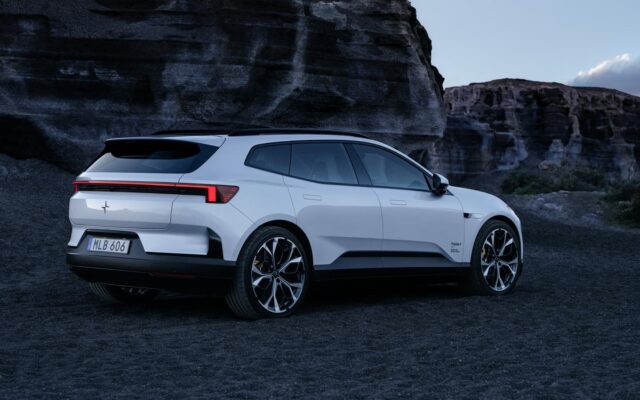
Due to shipping, all media were supplied with the Polestar long range single motor variant which was equipped with the optional Plus Pack ($5500), and the model pictured here was also fitted with the 20-inch alloy wheel upgrade rather than the standard 19-inch rims.
The Plus Pack includes a full-length panoramic glass roof, Harman Kardon audio system with 13 speakers, WeaveTech upholstery, Black Ash deco panels, fully-electric heated front seats with memory, heated rear seats, steering wheel and wiper blades, and a heat pump.
Inside the Polestar 2 there’s a lot of commonality in the design of the cabin, the seats, and minor switchgear with Volvo Cars which is no bad thing, as if ‘it ain’t broke why fix it’?
However, Polestar head of product management Beatrice Simmonson acknowledged the Polestar 2’s similarities and says that future electric models from the brand will have more design flair and greater differentiation from the Volvo Cars in spite of the shared platforms.
On the road the Polestar 2 feels solid and well connected to the road and the cabin feels very Scandinavian. There is nothing superfluous about the Polestar 2 interior, it has been designed and executed using recycled materials in a very clever and functional manner.
As expected of a progressive brand, Polestar was the first EV manufacturer to integrate Android and Google into the vehicle’s operating systems, allowing the use of Google Maps, Google Assistant and integration with the owners Google accounts. It follows Tesla In offering software over the air (SOTA) updates for the car and has already offered upgrades to battery management and charging and climate control since the car was launched.
Having the car for just a few hours barely allowed us to scratch the surface of its technology offer, but it did allow us to explore the performance and handling.
The Polestar 2 lives up to the brand promise of a responsive and dynamic drive with little body roll through sharp corners and a comfortable ride in spite of the 20-inch rims, but there is certainly some noticeable tyre roar on any road surfaces other than smooth asphalt. Customers who drive on rural roads frequently might prefer the supposedly quieter standard 19-inch wheels.
The optional panoramic roof provides a light-filled interior but although 99.5% UV resistant the cabin still heats up quickly when not parked in shade. Simmonson says an internal blind is being developed to offer some further sun protection for occupants and will be available as an accessory to customers next year.

Join the conversation