
Preparing for climate impacts
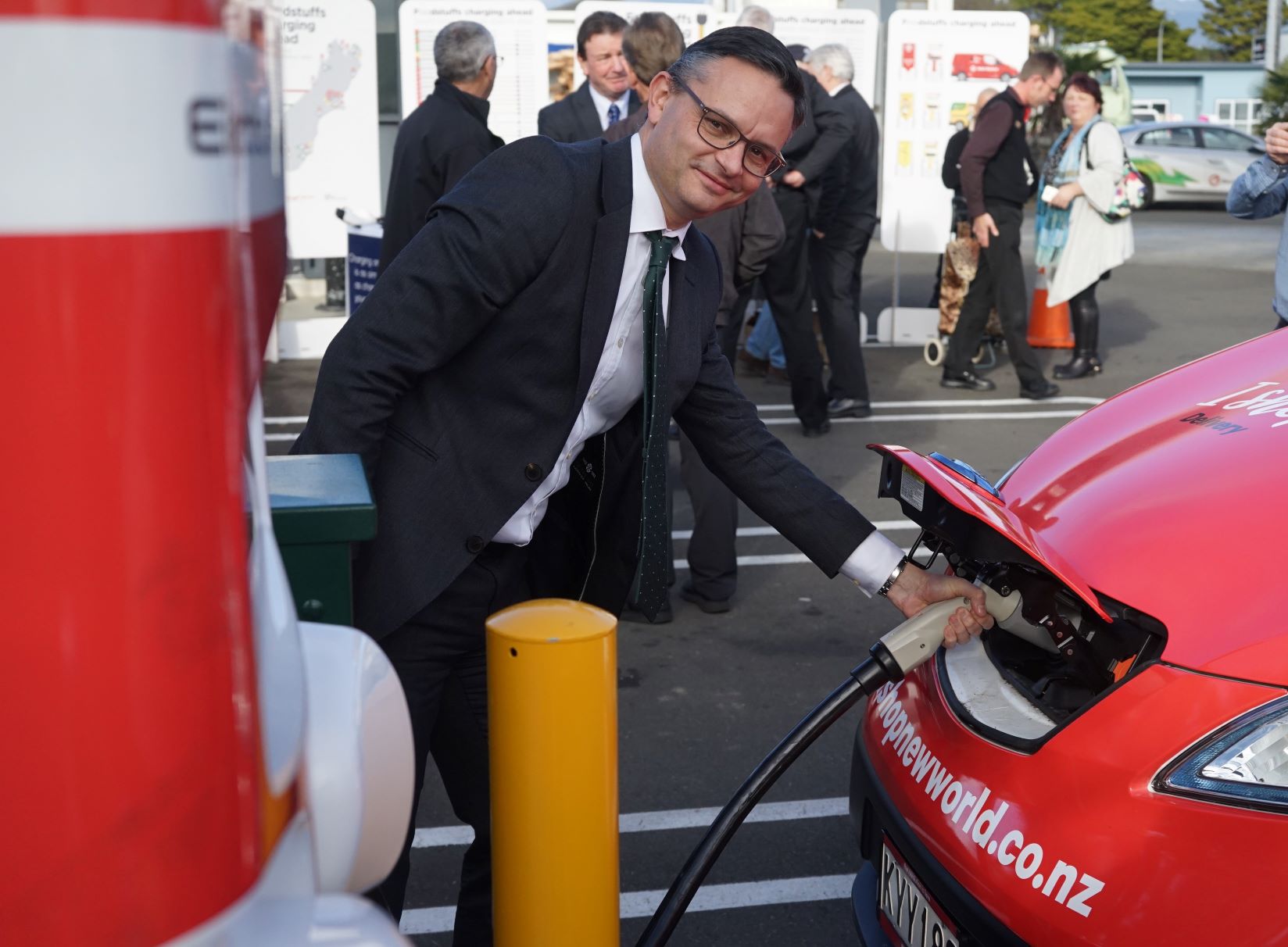
Kiwis can have their say on a proposed National Adaptation Plan to help communities across the country adapt to the unavoidable impacts of climate change.
Cutting emissions is one answer, with May’s Emissions Reduction Plan intending to set out how that can be done – including increasing use of e-mobility such as EVs.
Several recent surveys indicate few people want to make changes for climate reasons, many more worried about rising costs.
“Aotearoa will soon have a plan to bring down our emissions and help prevent the worst effects of climate change, but we must also support communities already being hit by more extreme and more frequent weather events,” says climate change minister James Shaw.
The draft National Adaptation Plan outlines actions the Government will take over the next six years to respond to the priority climate-related risks identified in the 2020 National Climate Change Risk Assessment.
“Central Government does not bear all the costs,” says Shaw.
“The consultation asks how best to share risks and costs between property and asset owners, insurers, banks and local government as well.
“It also asks for views on managed retreat and flood insurance, to ensure a joined-up approach to climate change adaptation.”
Shaw urges all New Zealanders to read the plan and make a submission.
But few people want to make changes for climate reasons, according to several surveys, including one by the Energy Efficiency and Conservation Authority (EECA).
The EECA market research programme monitors the mood of the nation relating to climate change, energy emissions and efficiency, and topics like electric vehicles.
“Every quarter, we survey 750 adult New Zealanders to track their beliefs, behaviours and attitudes to energy use and climate change,” EECA says.
A survey from October to December 2021 saw the fallout from COVID-19 related disruption back as top-of-mind and the results also show belief in climate change is at an historic high, with 83% of New Zealanders believing climate change is real.
“However, climate-related issues are being deprioritised over time, as immediate pressures come into play, such as housing affordability and the cost of living,” EECA says.
“And while 72% of people say they’re prepared to change their behaviour to address climate change, 51% of people don’t feel they know what to do, or where to find good information to help them act.”
EECA says it’s crucial Kiwis understand and are engaged in national adaptation and mitigation strategies, as these plans will affect them.
A new global survey by Ipsos shows people around the world are not very likely to make environmentally friendly changes that would have the most impact on cutting carbon emissions. Australia lags in the bottom half of the countries surveyed for most actions, including those that are most likely to have the greatest positive impacts on the climate. New Zealand isn’t covered.
Half (49%) say they are likely to walk/cycle/use public transport rather than driving a car or motorbike.
Living car-free is the top way to reduce carbon emissions, followed by switching to battery electric vehicles (BEVs) and taking one less flight.
Around the world, few can correctly identify actions which would have the most impact on reducing greenhouse gas emissions. Of the list given, people are most likely to say recycling is the best way to reduce emissions (49%). In reality, according to the study, this is considered the 60th most impactful action.
Among the top five actions chosen by the public, only two are in the actual top 10 most impactful actions to take.
Switching to purchasing renewable electricity (30%) – actual rank no.4, shift to public transport (22%) – actual rank no.5, less packaging (28%) – actual rank no.38, buying fewer items or more durable items (22%) – actual rank no.46.
The most impactful action, ‘living car-free’ which ranks at number one was only selected by 15% of people.
In spite of being the most impactful action people can take to reduce their own emissions, and shifting to public transport being another important action, people around the world are split on walking, cycling or using public transport more instead of driving.
“There is a lot of inertia to overcome in getting people to make changes in their own behaviours,” says Ipsos director Stuart Clark.
“It is very clear that many Australians are unable or unwilling to make changes to their lifestyles, and that we lag behind many other countries in this respect.
“Encouraging and enabling the public to take up highly impactful initiatives like eating less meat and dairy, using public transport and going carless or buying an electric vehicle requires a combination of education, cultural change and improved services and infrastructure.”
Click here for more information.
Join the conversation