
Kapiti prepares for climate change

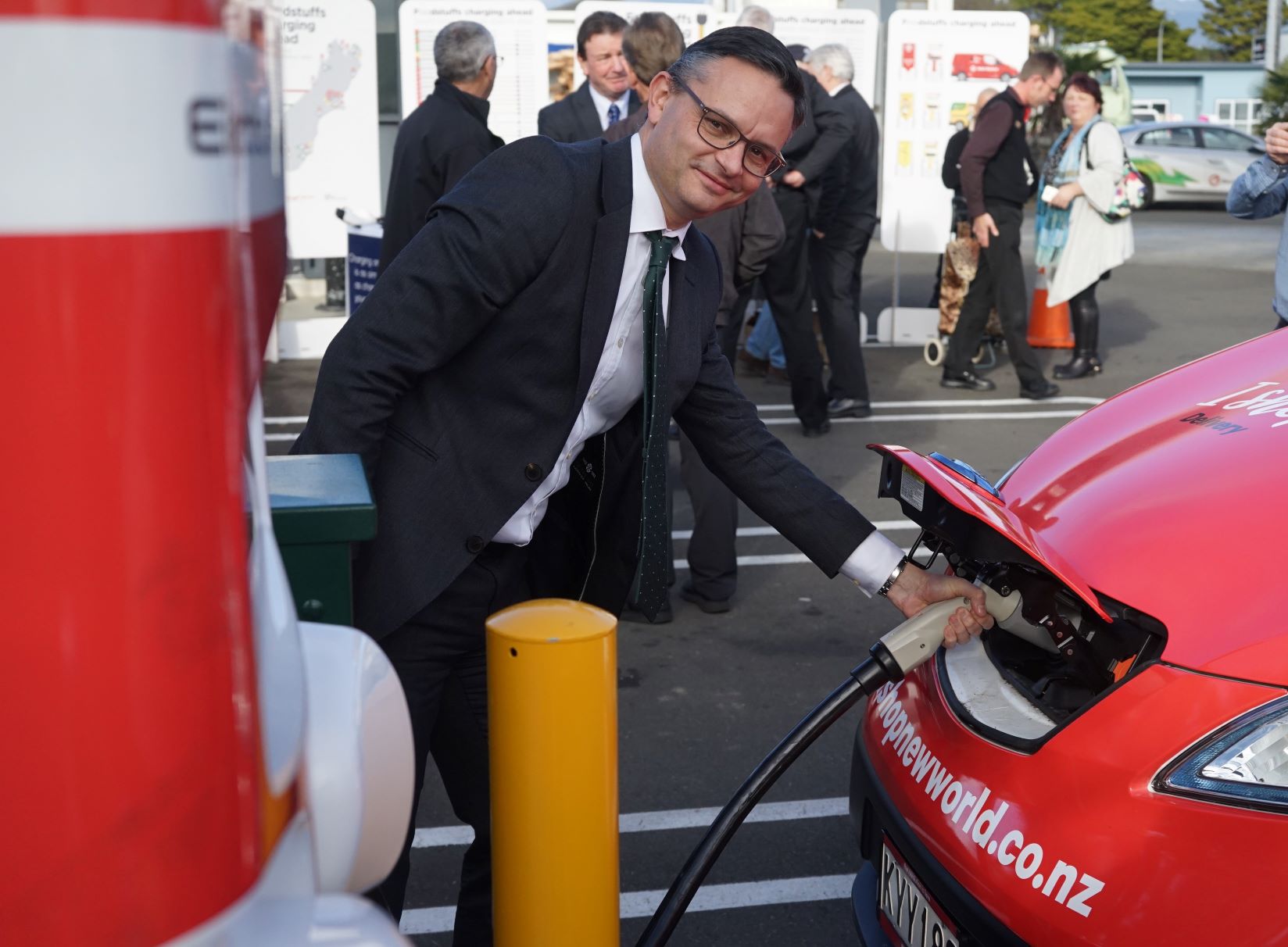
Replacing ageing fleet vehicles with electric and hybrid versions, supporting Energise Otaki to set up a solar farm that now provides 40% of the power to the Otaki Wastewater Treatment Plant, and transitioning most streetlights to LED, are among actions to mitigate climate change impacts taken by the Kapiti Coast District Council.
It has produced a new 60-page report – Climate emergency action: Delivering on our climate commitments compiling the council’s recent and future work to reduce emissions and prepare for climate change.
“We all need to understand what a changing climate means in Kapiti,” says council sustainability and resilience manager Nienke Itjeshorst.
“This report makes it easier for the community to learn about the projections for our district and know what we are doing to respond.
“We are proud of the work we have done over many years to reduce Council’s own emissions, support the lowering of emissions across the district and prepare our infrastructure for the future.
“We also recognise more effort is needed. This report is a stocktake of where we are at and will help us identify what more we need to do.”
An ongoing programme of essential infrastructure renewals and upgrades is underway to help Kapiti adapt.
“Supporting our community to lower its emissions and prepare for more extremes is also crucial,” says Itjeshorst, adding that’s through the delivery of cycleways to promote active transport, funding waste minimisation initiatives and advocating to regional and central government for more action and leadership.
“We’re also proposing changes to our district plan to intensify our urban areas to make it easier for more people to live more walkable, connected lives – near public transport links that can make leaving the car at home an option.”
Projected impacts include more extreme rain events, stronger and more frequent winds, rising sea levels, higher temperatures and occasional drought and low river flows.
Kapiti has activated its Emergency Operations Centre three times in the last 10 months to respond to weather events.
Click here for more information.

Join the conversation