
Geely rolls out competitor for Atto 3, C10, and Model Y
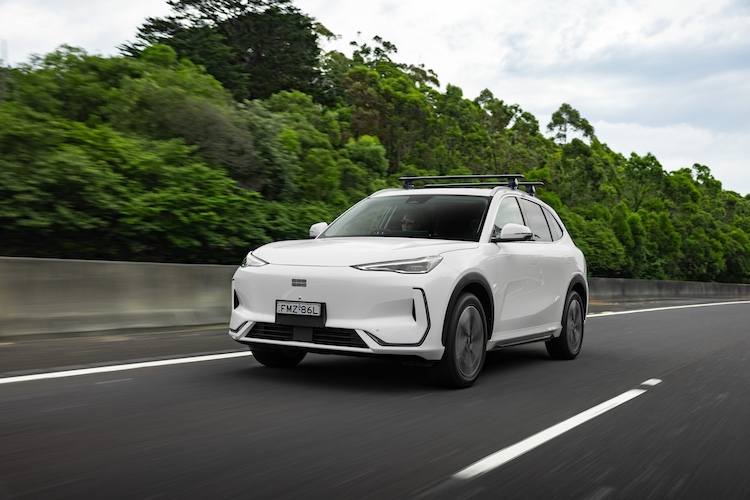
After a short-lived first attempt some years ago to launch in New Zealand, which is best forgotten, Geely Auto has returned with the EX5 battery electric mid-size SUV to tackle competitors from BYD, Leapmotor and Tesla.
The Giltrap Group will represent Geely Auto locally, complementing its sibling brands, Lotus, Polestar, Volvo Car and Zeekr, which is also arriving imminently.
In 2023, Geely Group sold 1.68 million units globally, a solid figure considering the ongoing growth in the electric vehicle sector.
NZ brand manager Jordan Haines says Geely is not an electric vehicle brand. While launching an electric model—the EX5—it will be followed by plug-in hybrids, hybrids, and a purely internal combustion engine vehicle.
The plan is for a dealership in Auckland and a test drive and delivery centre in Christchurch. Other cities will follow.
A plug-in hybrid has been hinted at as the next vehicle—possibly the Galaxy sedan. The Mounjaro plug-in hybrid seven-seat SUV will also be confirmed for the Australian market, but not until next year.
SUV to start
Geely is rolling out the EX5 to launch the segment. Given its popularity, this is a smart move, though electric SUVs are difficult to shift currently. The competition—the BYD Atto 3, Leapmotor C10, and Tesla Model Y—are all capable models.
There are two specification levels: Complete and Inspire. The Inspire has bigger wheels, a glass roof, an electric tailgate, and electric seats. The drivetrain, safety, and assist packages remain the same.
The EX5 is built on Geely’s Global Intelligent Electric Architecture (GEA) platform. It’s front-wheel drive and can be fitted with a range of powertrains. Geely is proud of this model’s drivetrain, calling it “11-in-one” technology: the electric motor and its usual components fit into one compact and efficient package that is lighter and cheaper to produce.
It produces 160kW with 320Nm of torque, offering a reasonable combination of power and efficiency. The 60.22kWh lithium iron phosphate (LFP) battery provides a claimed WLTP range of 430km for the Complete model and 410km for the Inspire. .
On the road, the EX5 is a competent performer. The Complete model hits 0–100km/h in 6.9 seconds, which is quick enough for city driving and highway merges. The Inspire, at 7.1 seconds, is still reasonably nippy. Both offer enough power for everyday driving without feeling sluggish.
Another plus is the EX5’s energy efficiency. We observed a consumption rate of around 14.5kWh/100km on mixed driving routes—quite reasonable for an electric SUV. For those waiting less for a charge, the EX5 offers 100kW fast charging (similar to the BYD and Leap), enabling a 10–80% charge in about 28 minutes. AC charging is strong at 11kW on a suitable three-phase charger.
Vehicle-to-load functionality, with 3.3kW of available power, beats some competitors. It is nicely paired with a camping mode. It also features vehicle-to-vehicle charging at up to 6kW. You’ll need a cable for both, and they are cost-extra accessories.
Willing to change
The EX5 arrives with an Australasian-specific suspension tune. Australian journalists drove the car in China and felt it was too soft, and Geely proved willing to meet the market and make changes.
Geely’s engineers adjusted it to improve comfort without sacrificing too much control. The MacPherson strut front suspension and multi-link rear suspension absorb bumps well, though we feel the suspension’s response to undulations could be refined a bit more.
The steering is a bit light, but it firms up for a more engaging drive in Sport mode. It’s not sports car-like, but the response suits urban environments where you navigate tighter streets and car parks.
There is one area of change we don’t want Geely to make: the low-speed noise, which sounds like an ice cream van tune. It’s been suggested they may change it—please don’t! It’s different, and we like it.
Lots of comfort
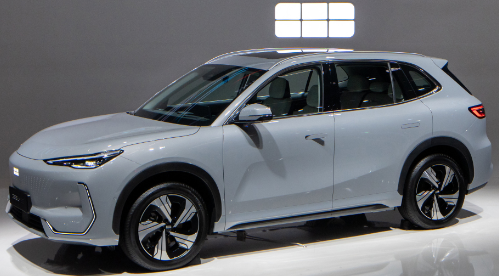
The EX5 is all about understated design, high build quality, and comfort. The dash is modern but calming, and there are physical buttons to complement the 15-inch infotainment screen (plus a second, smaller screen for the driver). The materials all feel premium. The front seats are enormous—almost overstuffed in feel—and the Inspire has heating, ventilation, and massage functions. The passenger seat even gets a complete legrest.
The rear seat comfortably accommodates tall adults, and headroom is exceptional. The boot is a generous 500 litres, featuring an under-floor tub second only to the Tesla Model Y in capacity.
The infotainment screen runs the Flyme Auto software platform, which controls most of the car’s features, including driver assistance systems. It’s a solid setup that feels like a typical tablet, with voice control via a “Hey Geely” assistant. The Inspire gets a great-sounding 1000W, 16-speaker system; the Complete makes do with six speakers.
The driver assistance suite is standard on both models and is extensive. If there’s a feature you can name, it’s probably there, all the way through to a semi-self-driving system—arguably Level 2.5—using multiple cameras to keep the car in its lane (best on motorways). It can even change lanes for you when you indicate, and it works surprisingly well.
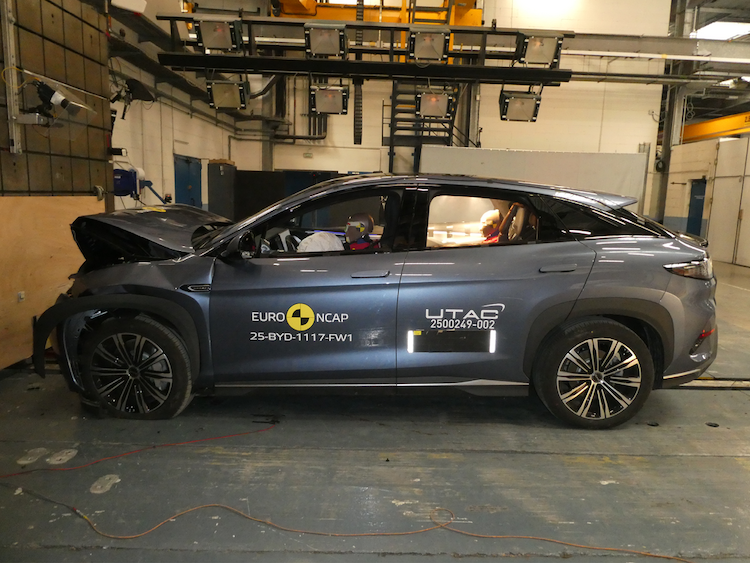
Geely anticipates the EX5 will achieve a five-star safety rating.
How much?
We likely won’t know the pricing until the first cars arrive in March. We also don’t have servicing or warranty details yet.
Haines dropped some hints, indicating that the price needs to be competitive with the Chinese rivals. Expect the Complete to cost under $60,000, with the heavily specified Inspire likely costing more.
The arrival of the brand’s broader range of drivetrains could be the real turning point in a somewhat EV-skeptical market.
Join the conversation