
GHG emissions fell 2% in December 2024 quarter
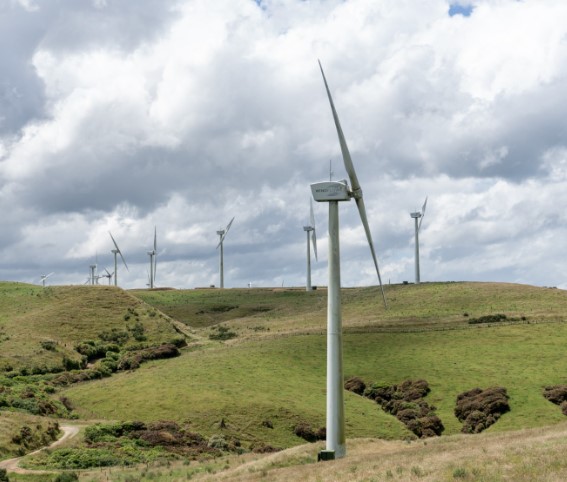
Seasonally adjusted industry and household greenhouse gas (GHG) emissions in New Zealand decreased 2% in the December 2024 quarter, Stats NZ figures show.
The decrease was primarily the result of a 45% reduction in emissions from electricity, gas, water, and waste services in the December 2024 quarter, it says.
“There were substantial falls in the amount of fossil fuels used for electricity generation in the December 2024 quarter, which drove an overall decrease in carbon dioxide emissions from industry,” says Stats NZ environment statistics spokesperson Tehseen Islam.
Partly offsetting the decrease was an increase in emissions from manufacturing (up 5%), and transport, postal, and warehousing (up 3.1%).
Both industries saw increases in gross domestic product (GDP) during this quarter, Stats NZ says.
Click here for more information.
Meanwhile, New Zealand’s specialist lenders and fleet leasing companies say they are well positioned to assist customers to achieve their climate goals, without requiring investment of taxpayer funds to achieve this following the Government’s announcement it will axe the NZGIF.
Most commercial fleet leasing providers operating in New Zealand are members of the Financial Services Federation (FSF) industry body, including Spiers Group, Scania, Fleet Partners, SG Fleet, and UDC, while the FSF says it also represents specialist lenders, credit unions and building societies, Turners, MTF, and the finance arms of global motor vehicle brands including Toyota, Nissan, Honda, BMW, and Mercedes-Benz.
Members have been actively responding to market demands to meet customers’ climate goals since well before the NZGIF came into play in 2019, and will continue to do so, says FSF executive director Lyn McMorran.
“Our specialist lending and fleet leasing members are well positioned to assist New Zealand business and consumers achieve their climate goals – it simply does not make economic sense for taxpayer funds to be invested where the private specialist lending sector has already got this,” McMorran says.
“We’ll continue to support the government on climate change initiatives and are pleased to see trust put back in the expertise of the private sector.
This allows businesses to not only meet climate change objectives, but provides an environment that stimulates competition and innovation to exceed them.”
The FSF is the non-profit industry association for specialist financial services providers which are not registered banks.
Its 99 members collectively reach 1.7 million New Zealanders, and support both businesses and consumers across the country with competitive and innovative options from traditional finance providers, it says.



Join the conversation