
BMW-backed student EV makes more energy than it uses
Clemson University students, challenged by BMW, unveil the 550kg Deep Orange 17 Luminetta, a solar-skinned EV that generates around 50km of surplus range against a 20km daily commute.
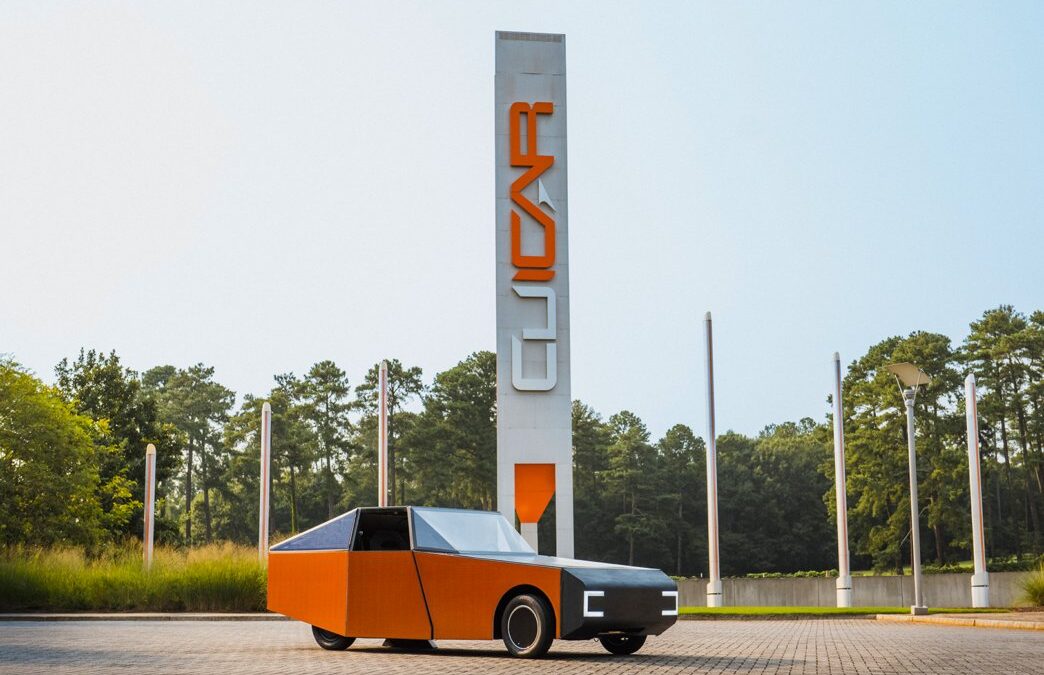
A group of 16 graduate students has delivered on a challenge BMW set them two years ago: build an electric vehicle that generates more energy than it uses in everyday driving.
The result is the Deep Orange 17, a 550kg solar-skinned coupe unveiled last week at Clemson University in South Carolina and nicknamed the Luminetta. Modelled over a typical 20km daily urban commute, the prototype generated enough surplus solar energy to add an average of 50km of driving range, around two and a half times the commute itself.
The project came through Clemson’s Deep Orange programme, which has master’s students in automotive engineering design, engineer and build a working prototype alongside an industry partner. BMW, a founding partner of the university’s automotive research centre and sponsor of five Deep Orange projects, set the energy-positive brief in late 2024.
“This is a project we’ve wanted to pursue for years, so it’s incredibly rewarding to see this group of students come together over the last two years, overcome so many technical challenges and constraints, and bring an energy-positive vehicle to life,” says Stephan Augustin, BMW’s project manager of research and new technologies.
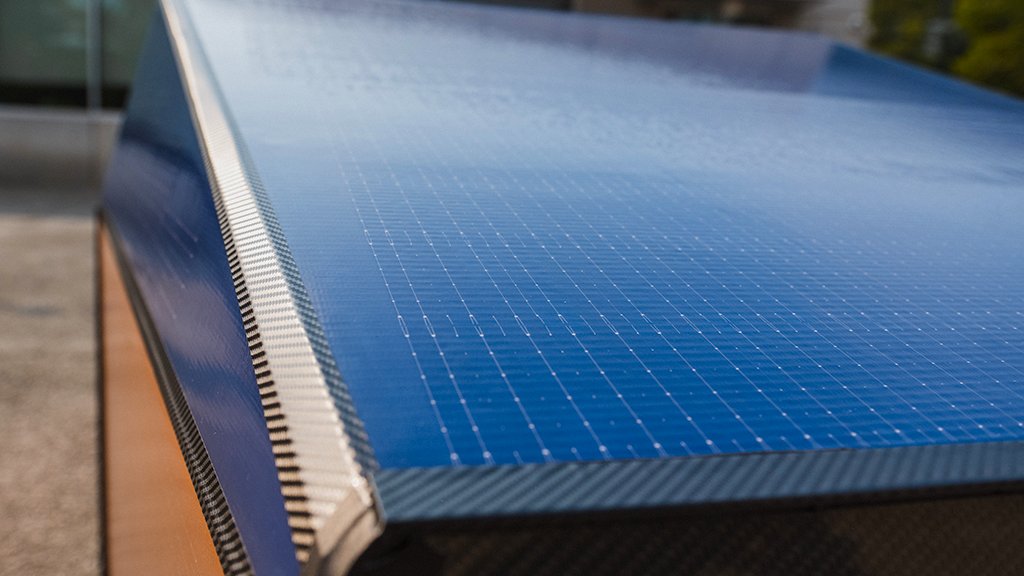
The car’s defining feature is its skin. More than 1,700 photovoltaic cells are integrated directly into the exterior surfaces, developed with Germany’s Fraunhofer Institute for Solar Energy Systems. Their construction keeps generating power even when sections are shaded, and a durable outer film, coloured using a laser manufacturing process, protects the lot. The body harvests energy whether the car is parked or moving, a nod to the reality that most passenger vehicles spend the bulk of their lives stationary.
Keeping the maths energy-positive demanded extreme efficiency everywhere else. At 550kg, the Luminetta weighs roughly a quarter of a comparable production car, built on a multi-material chassis mixing structural steel for occupant protection with aluminium, carbon fibre members and 3D-printed metal joints. The two-door body borrows its form from the boxfish, whose naturally low-drag shape preserves interior space, while regenerative braking, intelligent torque distribution and optimised drivetrain controls squeeze out the rest. No power or torque figures have been published; efficiency was the brief, not pace.
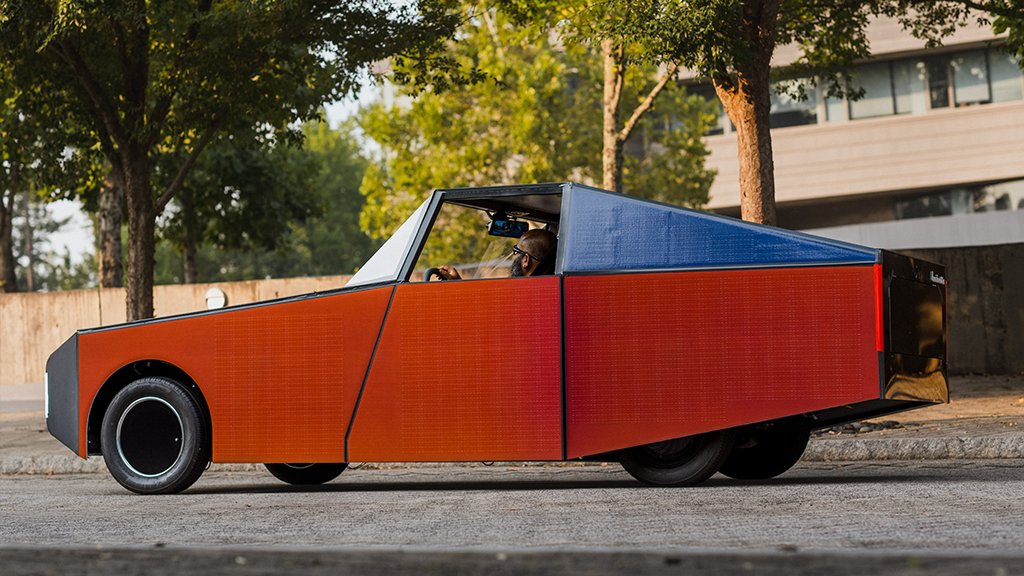
To validate the concept, the team modelled sunlight and climate conditions across four cities: Greenville in South Carolina, Frankfurt, Madrid and Mumbai. The 50km average surplus held across all four.
“This was an incredibly challenging project, not only to create a working energy-positive prototype, but to demonstrate how a vehicle can become increasingly energy independent through solar integration,” says Harsh Manghnani, the team’s solar integration lead.
Inside, a custom interface serves real-time telemetry alongside wireless Apple CarPlay and Android Auto.
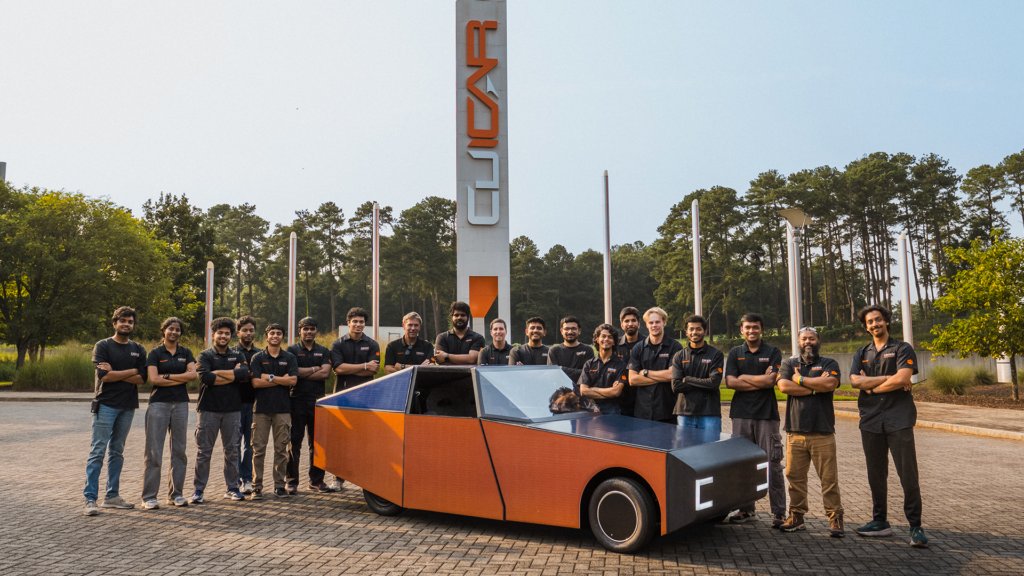
The 16 students graduated the day after the unveiling with Master of Science degrees in automotive engineering. Their car stays on at the Clemson University International Center for Automotive Research as a rolling research platform, and is scheduled to appear at CES in Las Vegas in January.
Solar-assisted EVs have a chequered history of promising much and reaching production rarely, but as a proof of what integrated photovoltaics can do for a light, efficient commuter, the Luminetta makes the case about as clearly as it has yet been made.

Join the conversation