
Chery’s design boss makes the case for cars that look familiar
Chery design boss Steve Eum on why Chinese cars look familiar, why electric platforms have not changed vehicle shapes, and what the Cybertruck taught him about what buyers will accept.
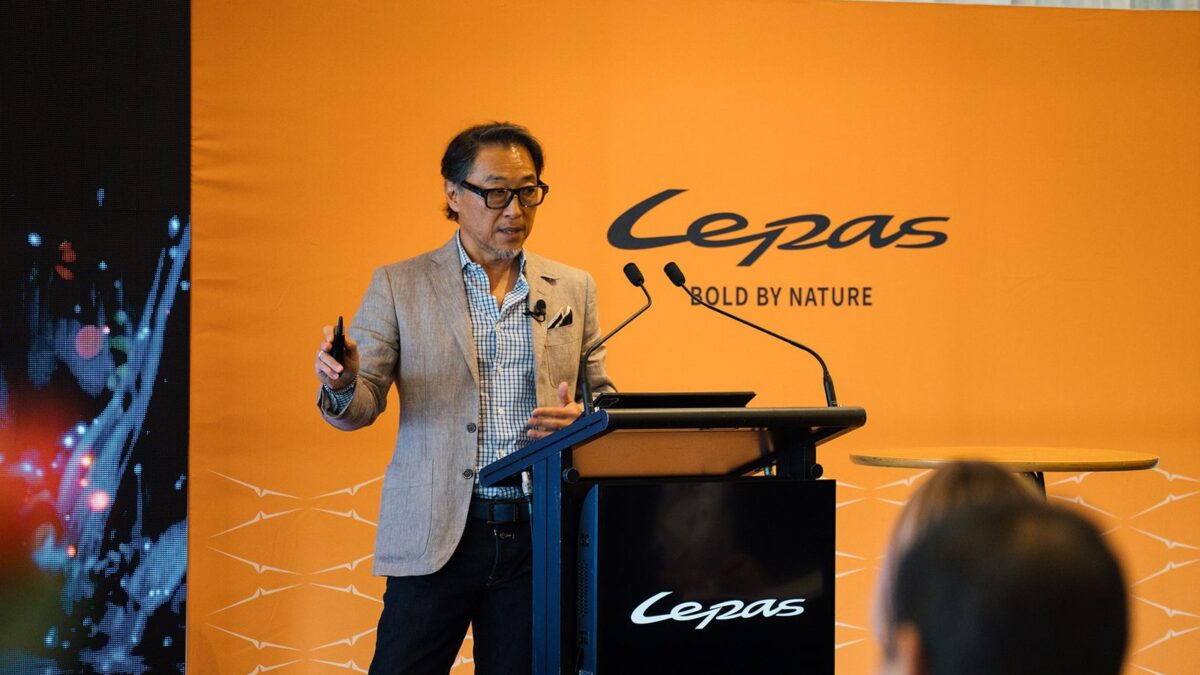
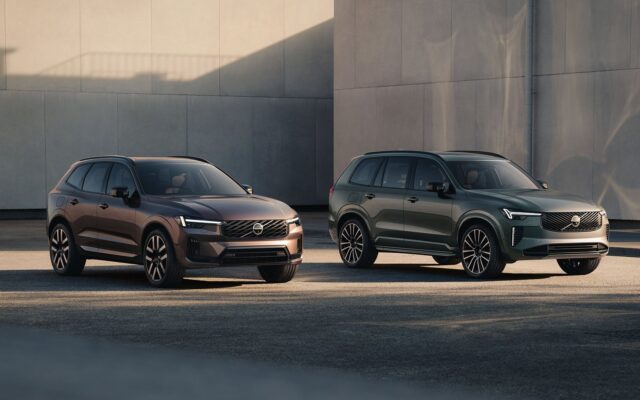
Lepas, the electrified Chery brand due in New Zealand shortly, is the newest of the marques Steve Eum is responsible for. After a local preview of some of the brand’s models, including the L6, we asked him about the criticism most often aimed at Chinese cars: that they borrow too freely from established European and American brands. He does not dispute the charge, and says the borrowing has always run in every direction.
“Good design is good design,” says Chery’s vice president and general manager of design. “A box is a box, a circle is a circle.”
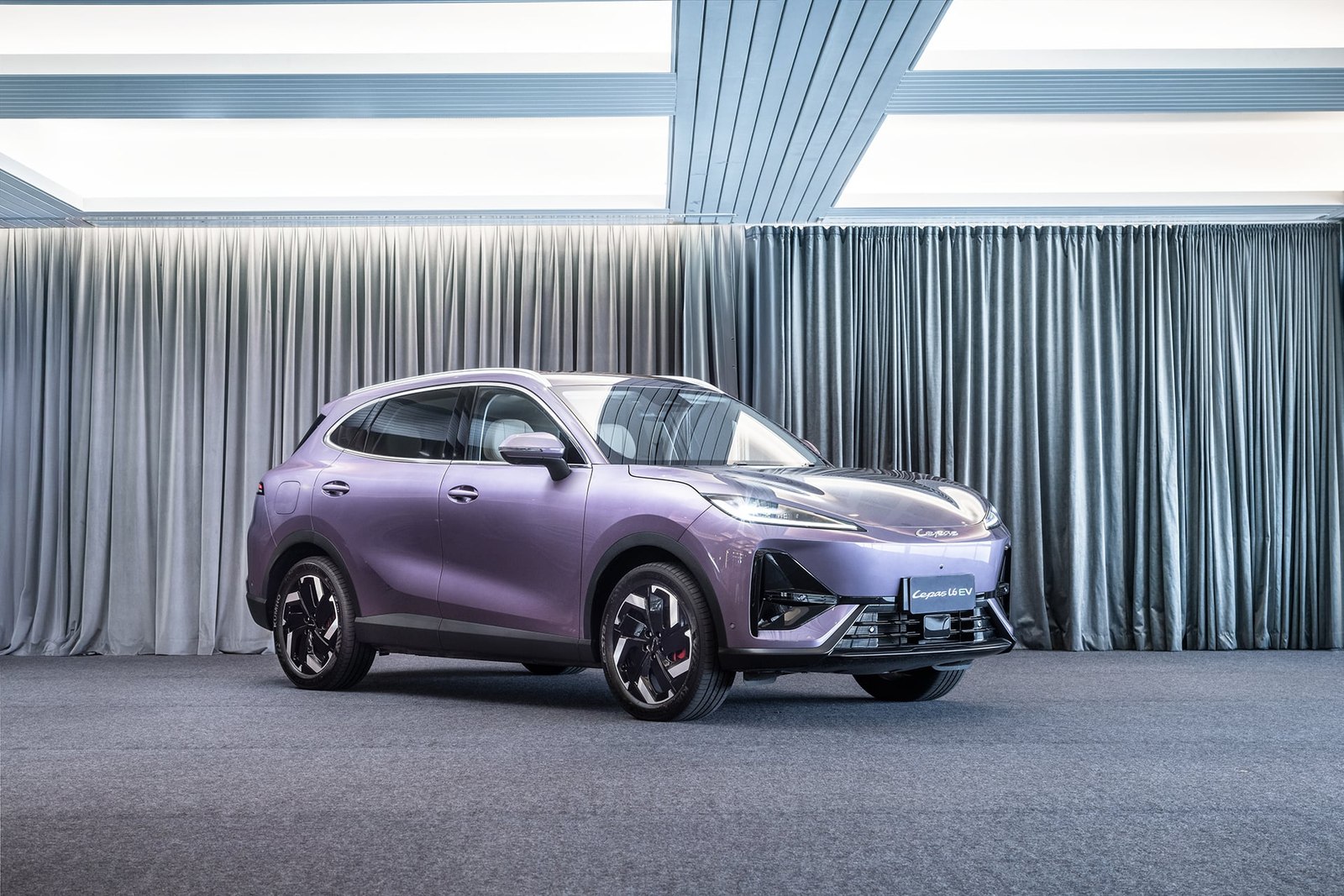
We raised Jaecoo as an example, a brand whose early design language looked squarely overseas for its reference points. Eum accepts the premise.
“It doesn’t hurt to sometimes give homage to past great designs,” he says. “It’s not even just Chinese. It’s the Koreans, the Japanese, and the Europeans back and forth with the Americans. We’ve all lent good designs to each other. You see little cues here and there that show how we’ve evolved in automotive design history.”
Eum has drawn cars in Los Angeles, Melbourne, Italy, Germany, Korea and Detroit, and has been at Chery in Wuhu since 2016. He oversees design across Chery, Exeed, Jaecoo and Lepas, and he spent most of half an hour arguing against the idea that Chinese brands should be tearing up the rulebook.
The C factor
Eum places China’s current position in a sequence he says the industry has been through before. European design, then American design, then what the trade called the J factor when Japan arrived, then the K factor with Korea.
“Now it’s C factor,” he says.
His point is that it has not arrived yet. The rush of new Chinese brands, of which Chery alone now has Chery, Exeed, Jaecoo, iCaur, Jetour and Lepas, is the groundwork rather than the result.
“What we’re seeing now is more of an establishment of trying to create these brands so that we can create a strong and visionary C factor in the near future,” he says.
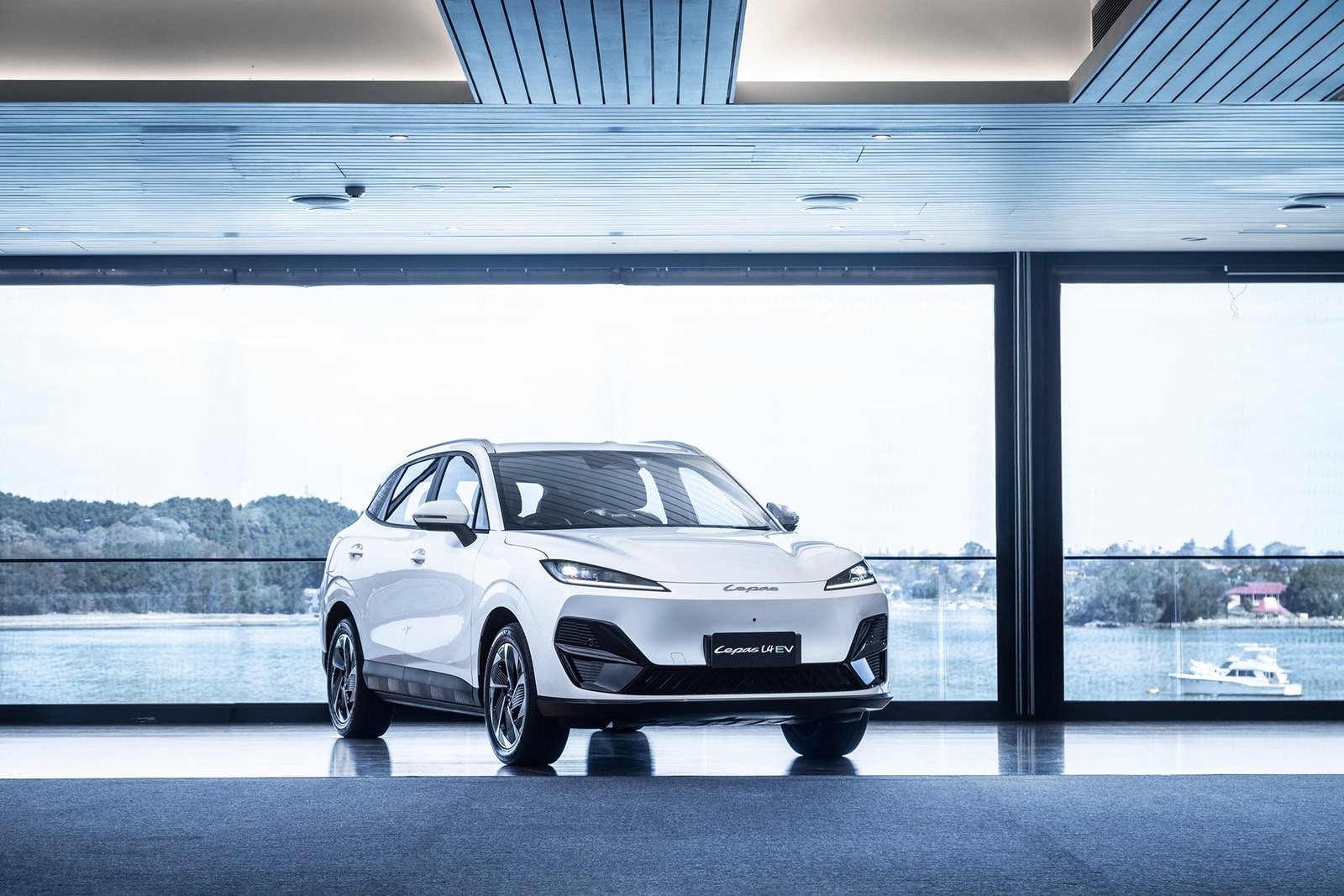
He is more confident about the cars themselves. New energy models coming out of China are becoming distinctive, he says, and the distinction is not only in the sheet metal.
“Yes, there are some familiarities, but you look at the bits and the details and the technology and the whole picture of the vehicle. It is much more than just visual design.”
Why the shapes have not changed
When electrification arrived, the industry was told that skateboard platforms would untie design from a century of engine-first packaging. A decade on, showrooms are still full of two-box SUVs. We asked Eum why.
He says the freedom was overstated, and that packaging has always been set by the people inside rather than the hardware underneath.
“You can only optimise the interior of a vehicle, the volume of the vehicle, to fit four people, five people, six people, seven people,” he says. “There’s only so far you can push certain things to look more sporty, to look more boxy. In a lot of ways we’re talking more about millimetres than actual bigger movements in terms of the whole packaging of the vehicle.”
What has changed is what now has to be integrated into the surfaces.
“Now it’s all about the black technology, the lidars, the mirrors, the cameras that go in to make it more harmonious with the exterior and the interior, and give it the perfect proportion.”
What buyers will accept
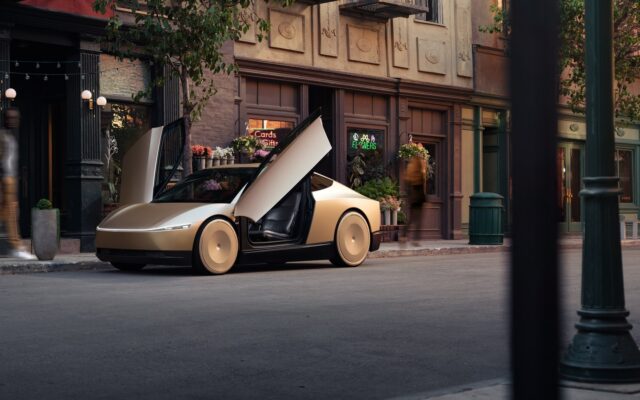
Eum’s second argument is about the market rather than the engineering. He offers the Cybertruck as his example.
“When you do have something new, for example the Cybertruck, it’s very difficult to swallow,” he says. “At first people will say yes, that’s pretty cool, but then it just doesn’t translate into a lot of popularity.”
We put to him the pattern familiar to anyone who has driven the interesting failures, where motoring writers admire a car the market then ignores, using the Zeekr Mix as the example. He puts it down to practicality and to social risk.
“Nobody, your neighbours or whatever, wants to stand out like a sore thumb,” he says. “It’s about the practicality of usage for each family. Right now the three box is what’s comfortable with customers. Whatever transition happens is going to be quite slow and challenging for any OEM that tries to do something new.”
He applies the same caution to the domestic market. Chinese buyers have come to the car very recently and very fast, he says, which makes them a harder audience for the outlandish rather than an easier one.
“For them to digest a lot of these newer, outlandish designs, I think it’s quite risky. We have to make sure we connect with the audience and the customer before we go out and start doing a lot more blue sky projects.”
Applying it to Lepas
That thinking shapes the brand previewed here. Lepas is pitched at what Chery Motor Australia chief operating officer Lucas Harris calls the vibrant expressionists, and Eum describes the design brief as restrained at distance and detailed up close.
“From afar we want to give a classic, timeless look. We don’t want to go too far ahead and alienate a lot of our buyers,” he says. “You get up close and there’s a lot of little details which are quite precise, which are very high end, to give it a premium and luxury feel.”
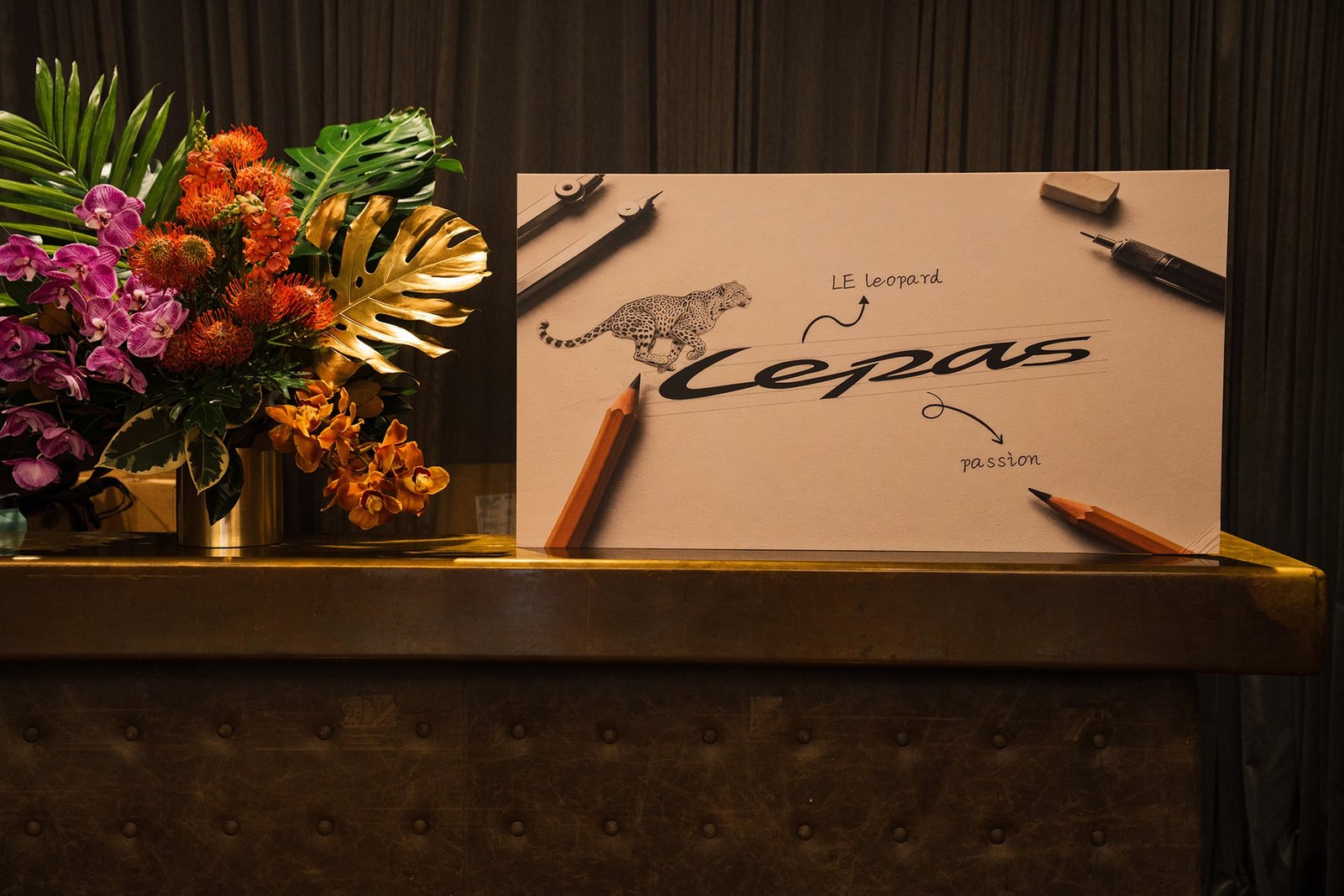
The name carries the design language, and not in the way the brand’s international material has sometimes suggested. Eum reads Lepas as leopard and passion.
“A lot of the images we have are the muscular motion of a leopard in its natural habitat,” he says. “At the same time you see the facial structures of a leopard with the aggressive gaze. That shows in the front end, especially in our new L6. And the body sectioning shows the smoother fender lines that mimic the muscular contours of a leopard in movement.”
He would not name the brands Lepas is benchmarked against on design.
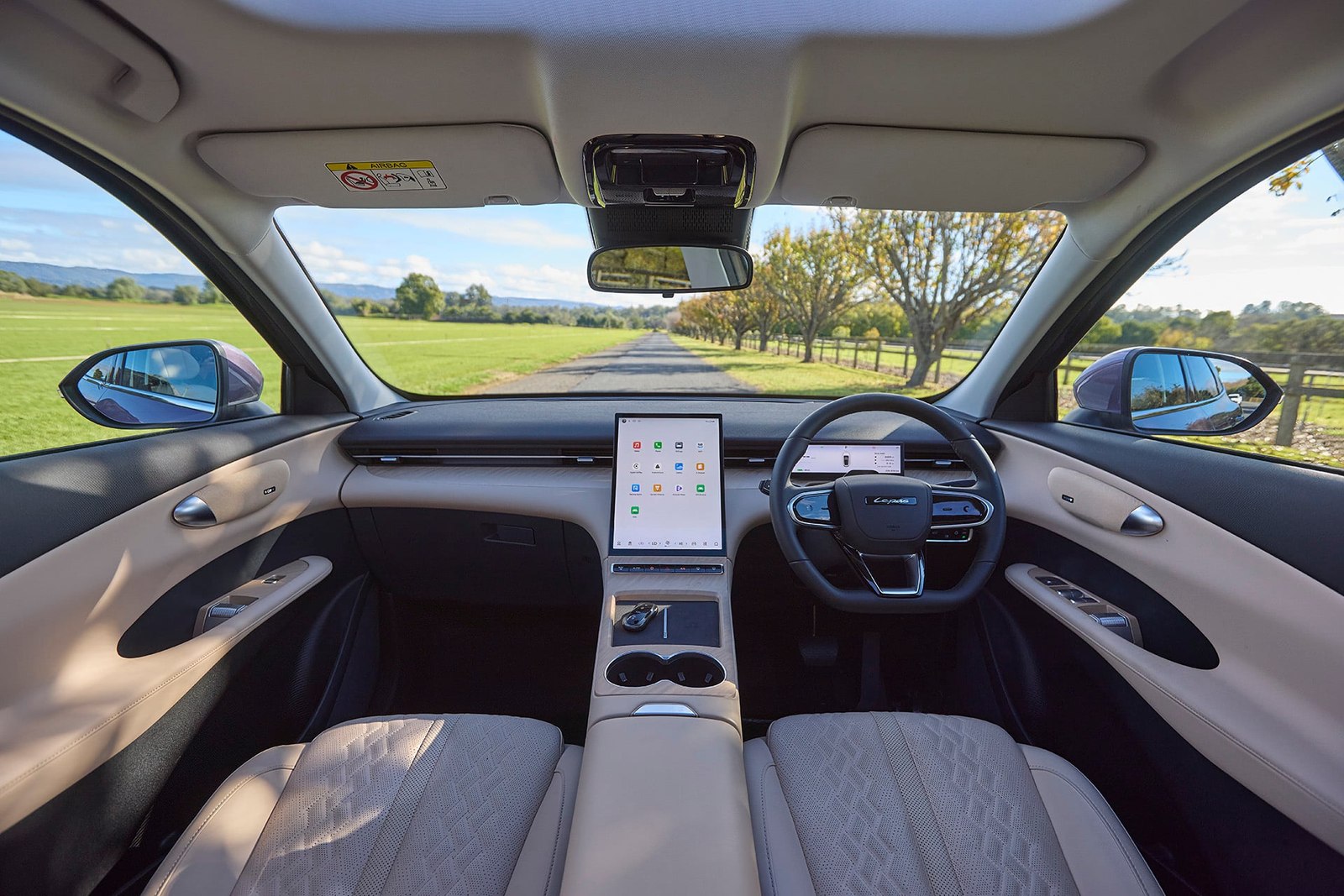
Asked whether a brand named for a leopard and for passion should be building a sports car, Eum said the business case did not support one.
“Every designer who puts a pen down on paper wants that sports car,” he says. “But it’s all about usage and practicality. Yes, we could drive that for maybe five minutes and enjoy it, but at the end of the day we like the practicality of having a boot, having the space, carrying your family, carrying your kids safely. That’s more important.”
Lepas reaches New Zealand shortly, led by the L6, into a market where seven of China’s ten best-selling cars are already on sale. Eum’s other current project, the Stockman ute, gets a friendly face on purpose.

Join the conversation