
Polestar 4 SUV first drive: the rear window is back
The Polestar 4 SUV adds a real rear window, a straighter roofline and a 655-litre boot for the same $109,900 to $119,900 as the coupe. Gavin Shoebridge drives it in New Zealand.
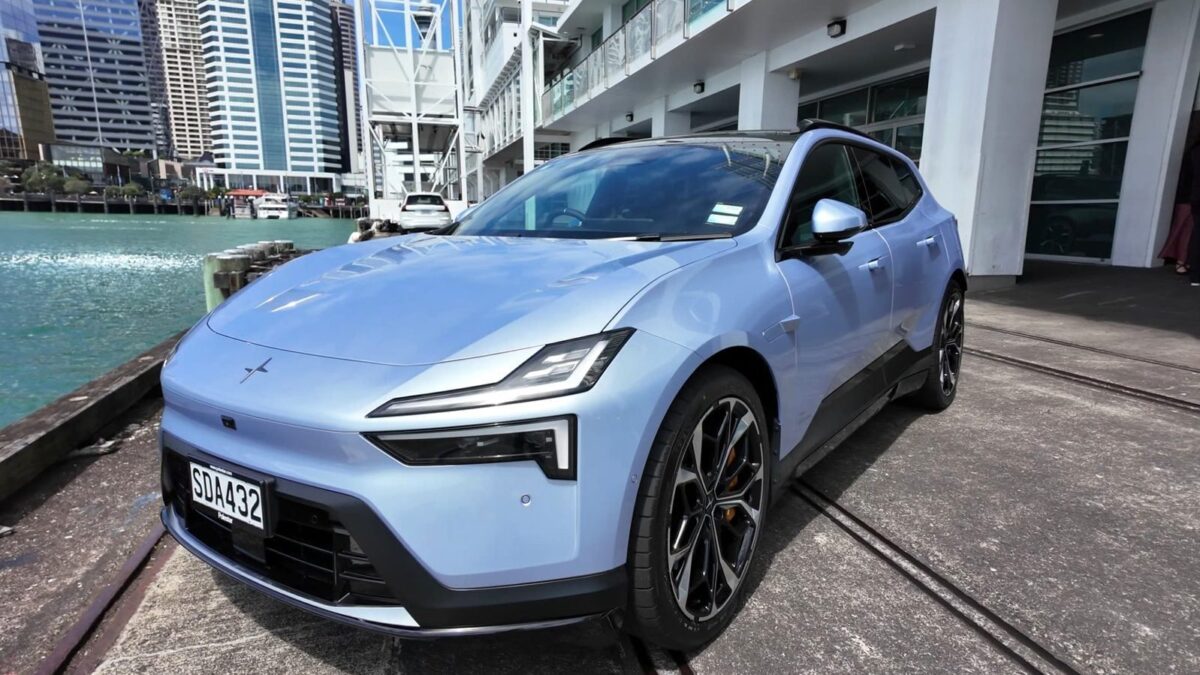
Polestar’s new 4 SUV has arrived in New Zealand. It’s the Polestar 4 with a proper rear window, a straighter roofline and a bigger boot, and it costs exactly the same as the coupe. The single-motor version is $109,900 and the Dual Motor is $119,900. The Pilot and Plus packs are now standard, so the options list is down to paint, interior trim and a $9,000 Performance Pack for the Dual Motor.
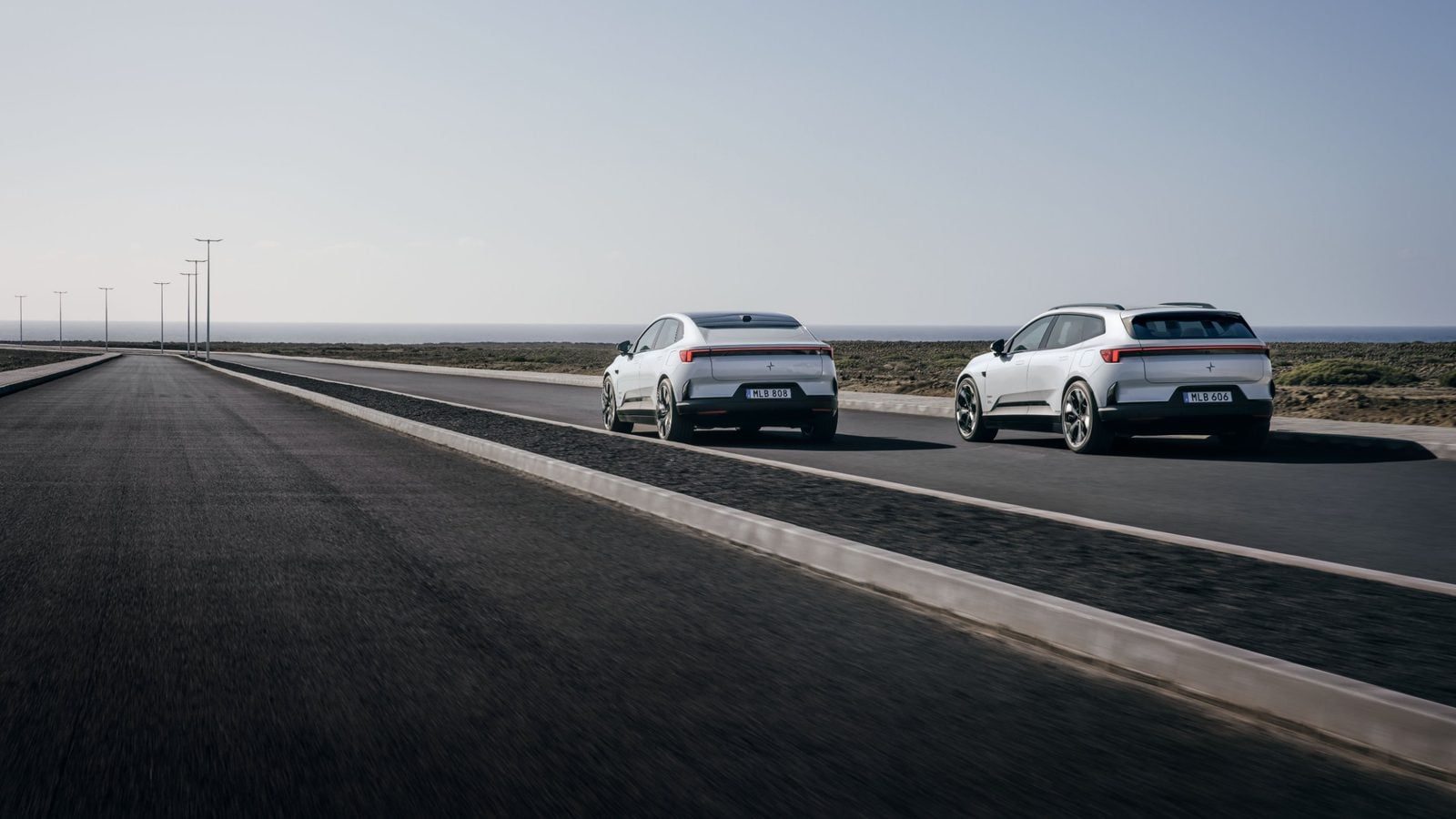
The coupe stays on sale, so buyers get a straight choice between the two shapes. Polestar NZ, now part of Giltrap’s NordEast Vehicle Distributors, expects the SUV to do the volume work while the new Polestar 5 plays flagship.
Bruce Fowler, who launched Polestar here in 2021 and handed over the brand at the launch, says it’s aimed at a gap New Zealand buyers have always liked. “It sits between the sedan market and the SUV market. We know New Zealand has a long history of wagons being popular. I remember back when I was with JLR, the number of people who used to ask whether a model was going to come back as a wagon,” he says. “Having a wagon, a shooting brake, a crossover, whatever you want to call it, we’ll let you decide how it fits. We think it’s got a very strong future.”
Kiwis love sleek wagons, fast wagons and cheap wagons. The Polestar 4 SUV ticks the first two.
What’s changed
Not as much as you’d think. Polestar says only 42 components differ between the coupe and the SUV, though the SUV is built in Busan, South Korea, rather than China, which is why it comes in a different colour range.
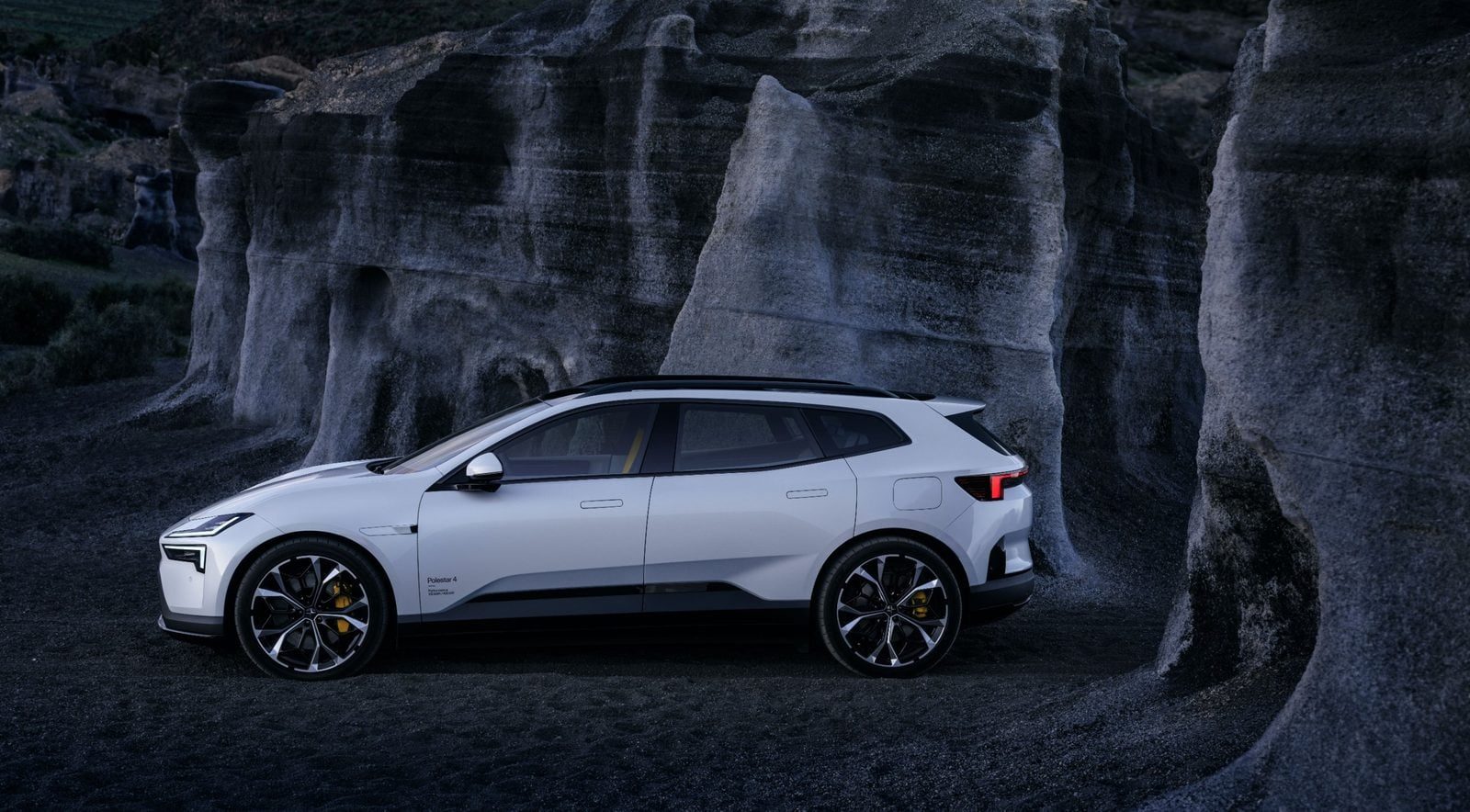
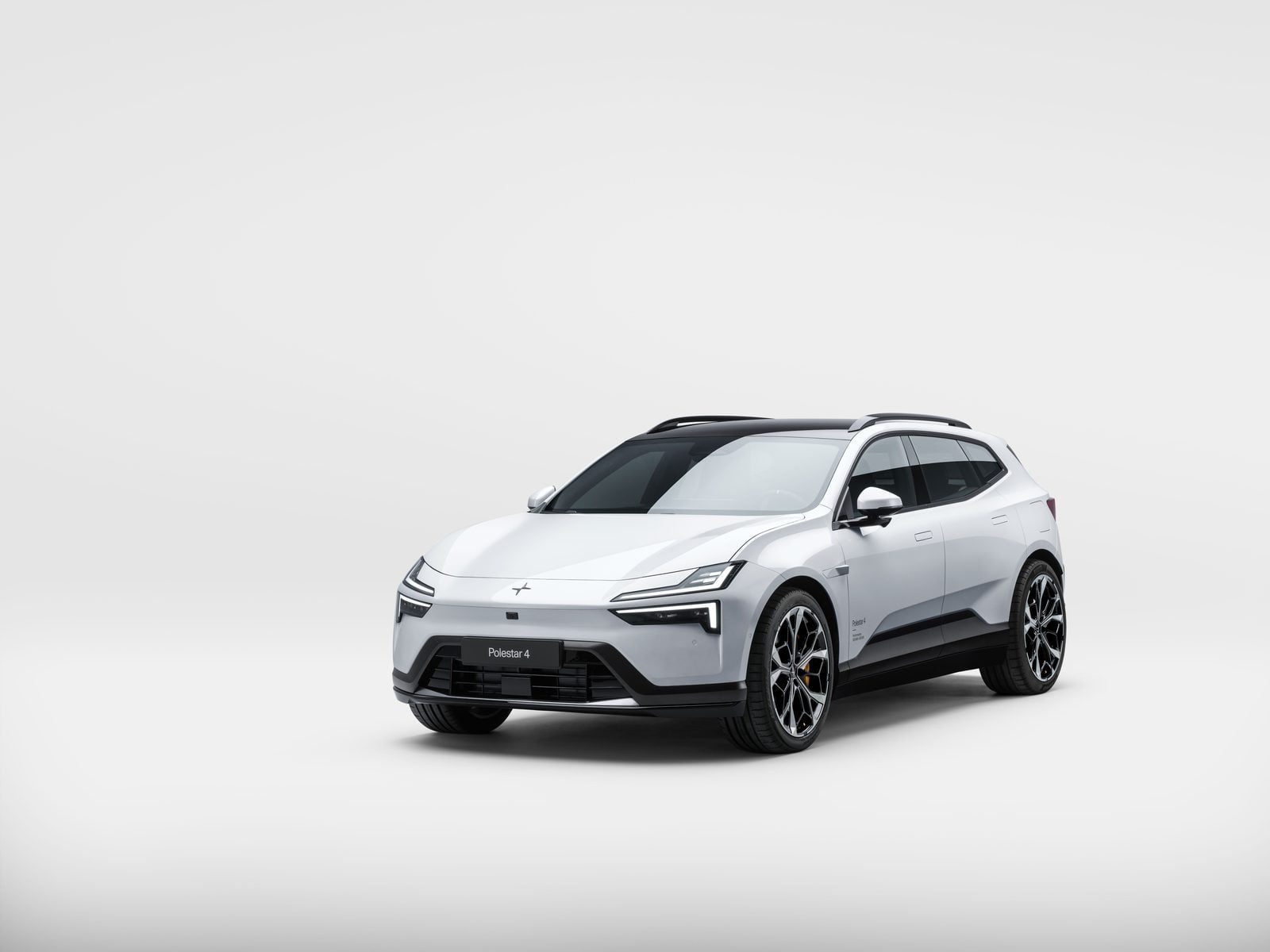
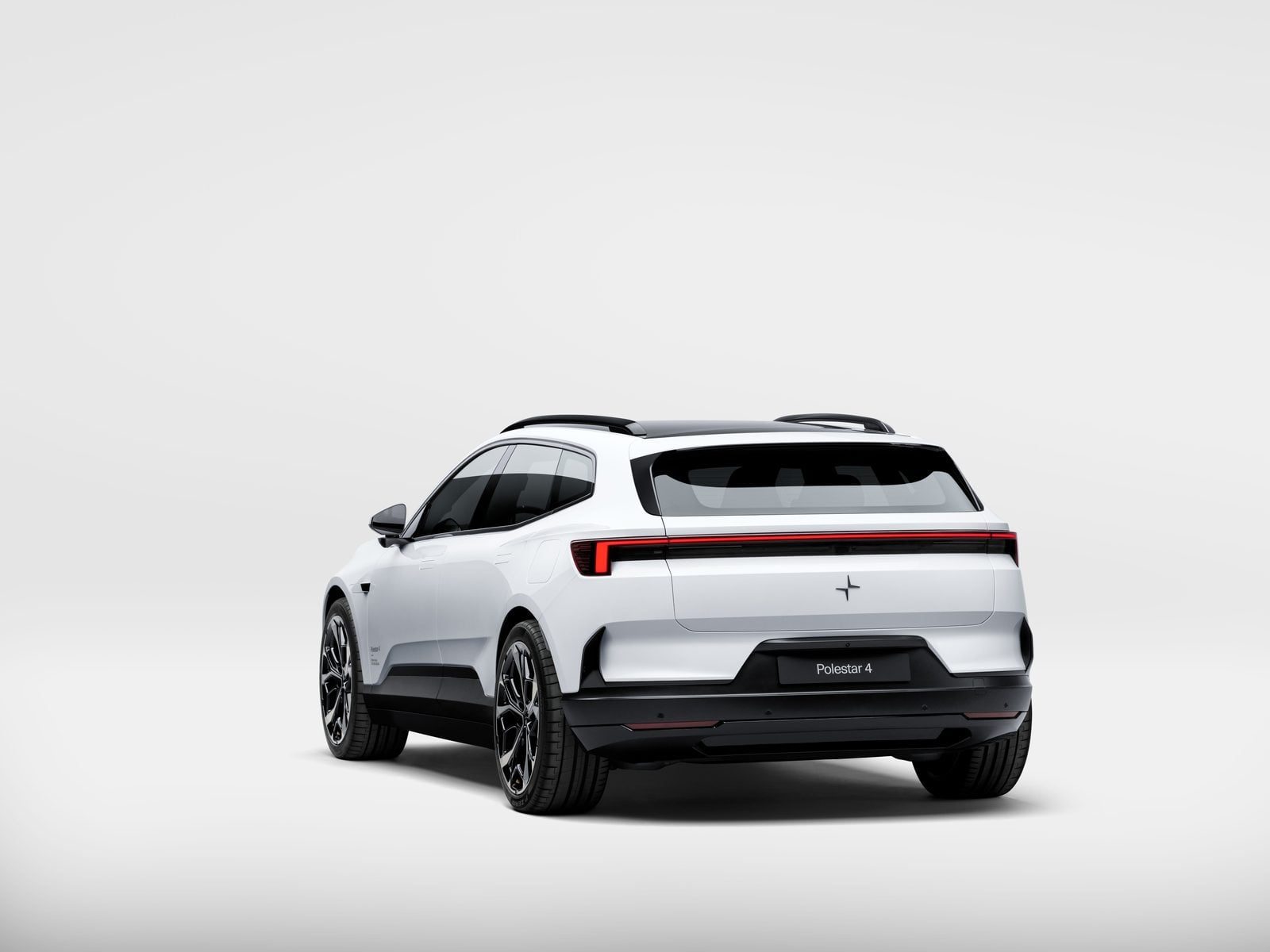
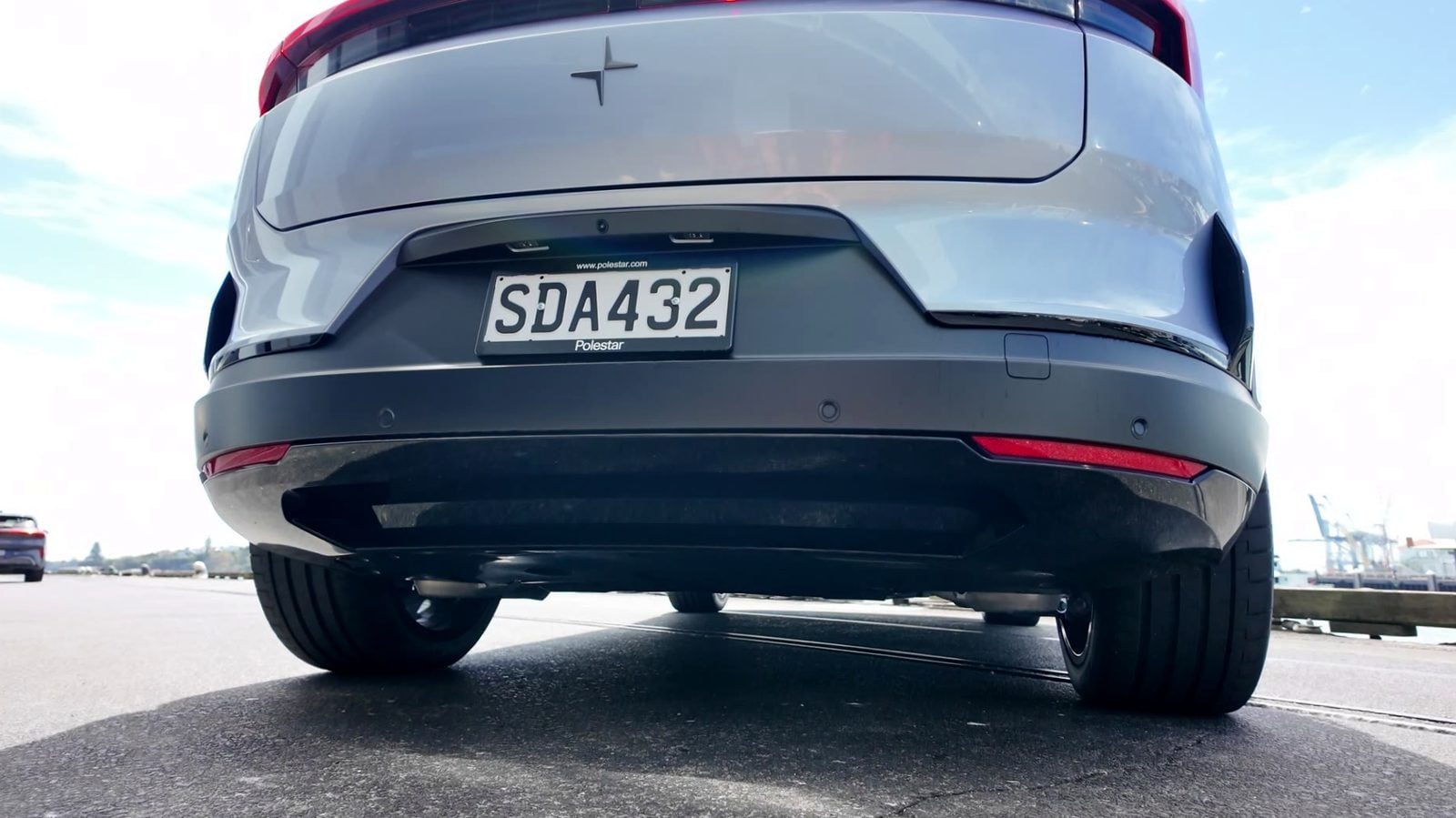
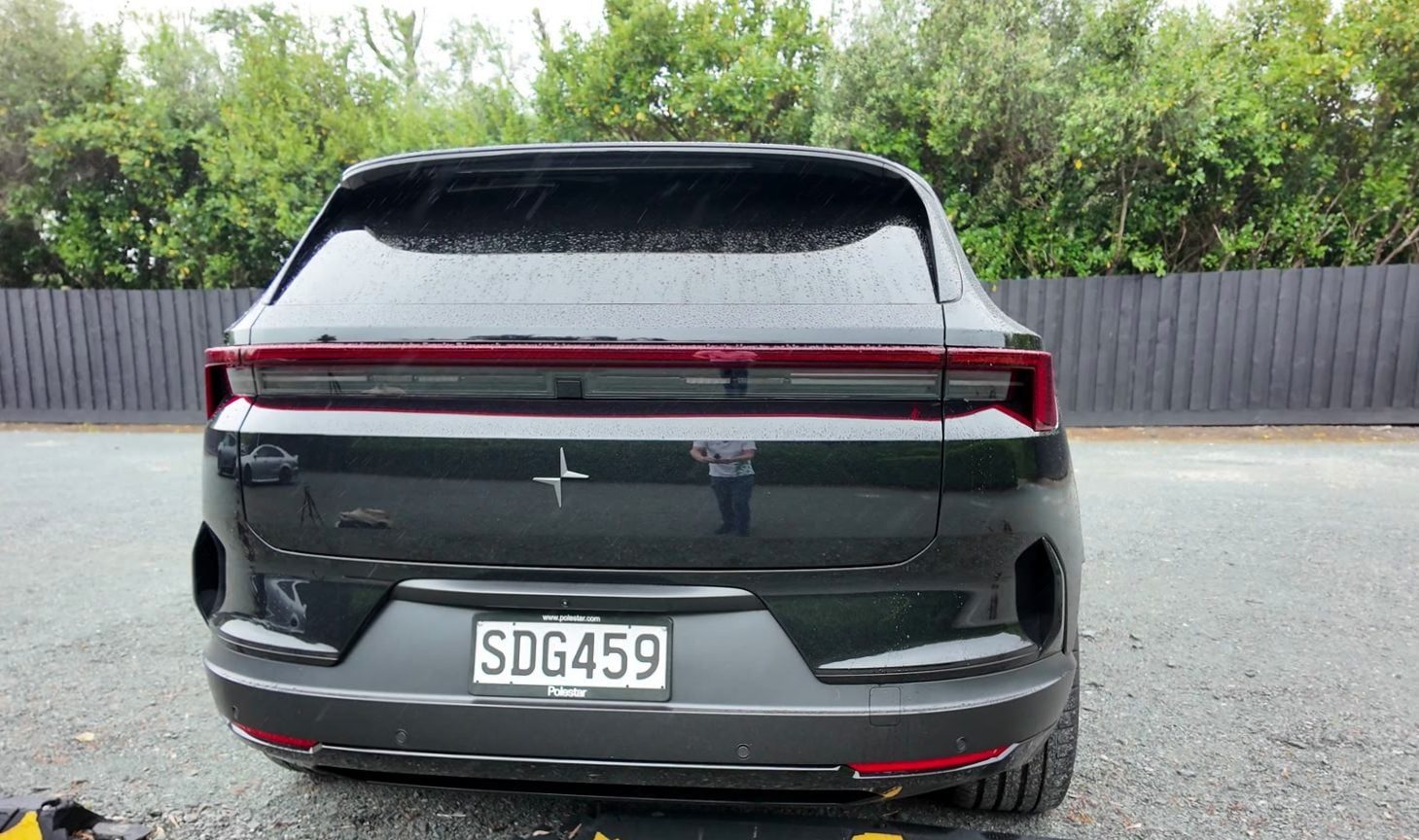
From the front you’d struggle to tell them apart. It has the same Dual Blade headlights, active grille shutters and a 15-litre front boot, which is just about big enough for a charging cable. The changes start at the B-pillar. The roofline runs straight back to a near-vertical tailgate with a real glass window and a hidden rear wiper, and full-length roof rails rated for 100kg are standard. That’s enough for a rooftop tent.
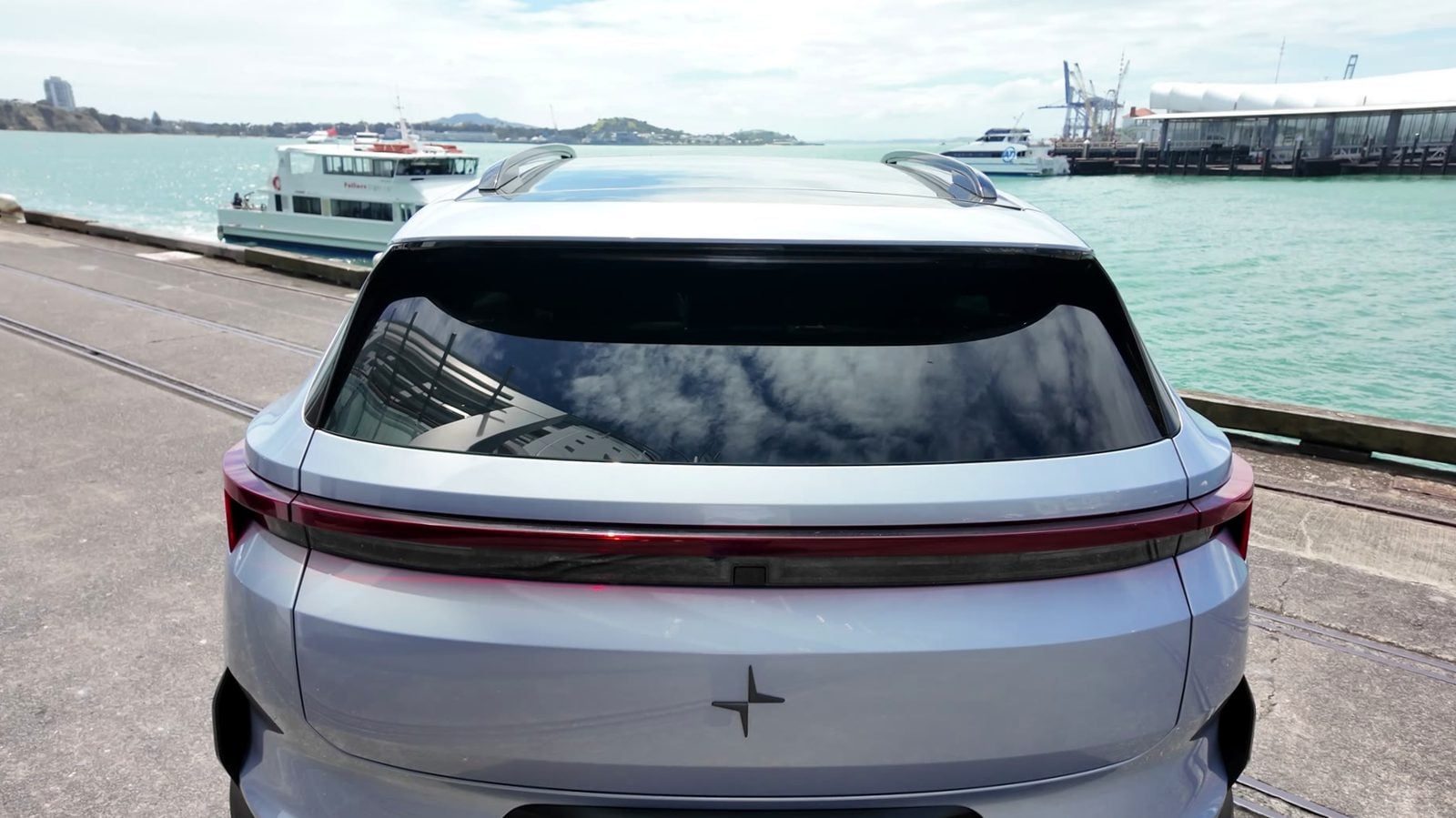
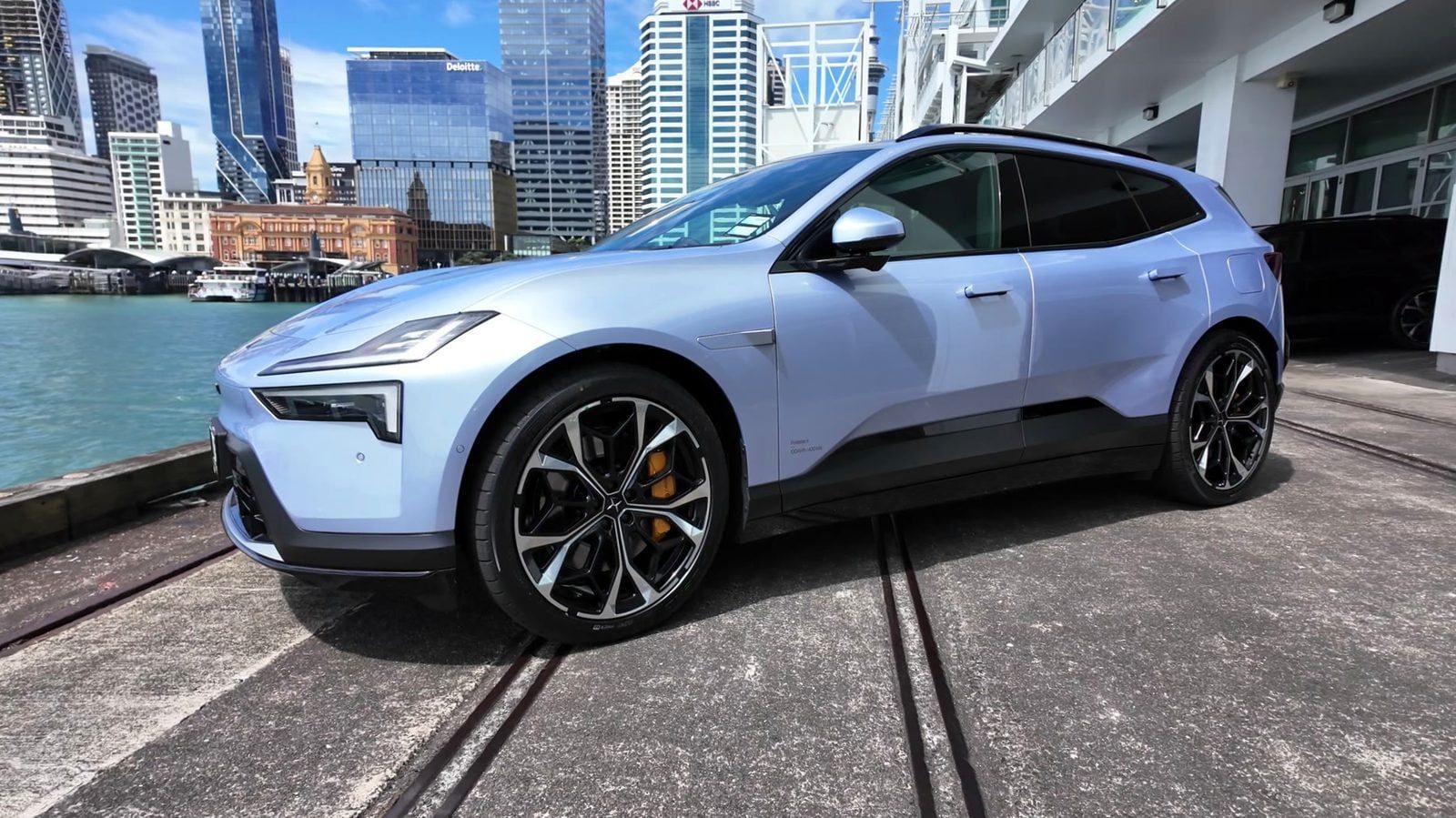
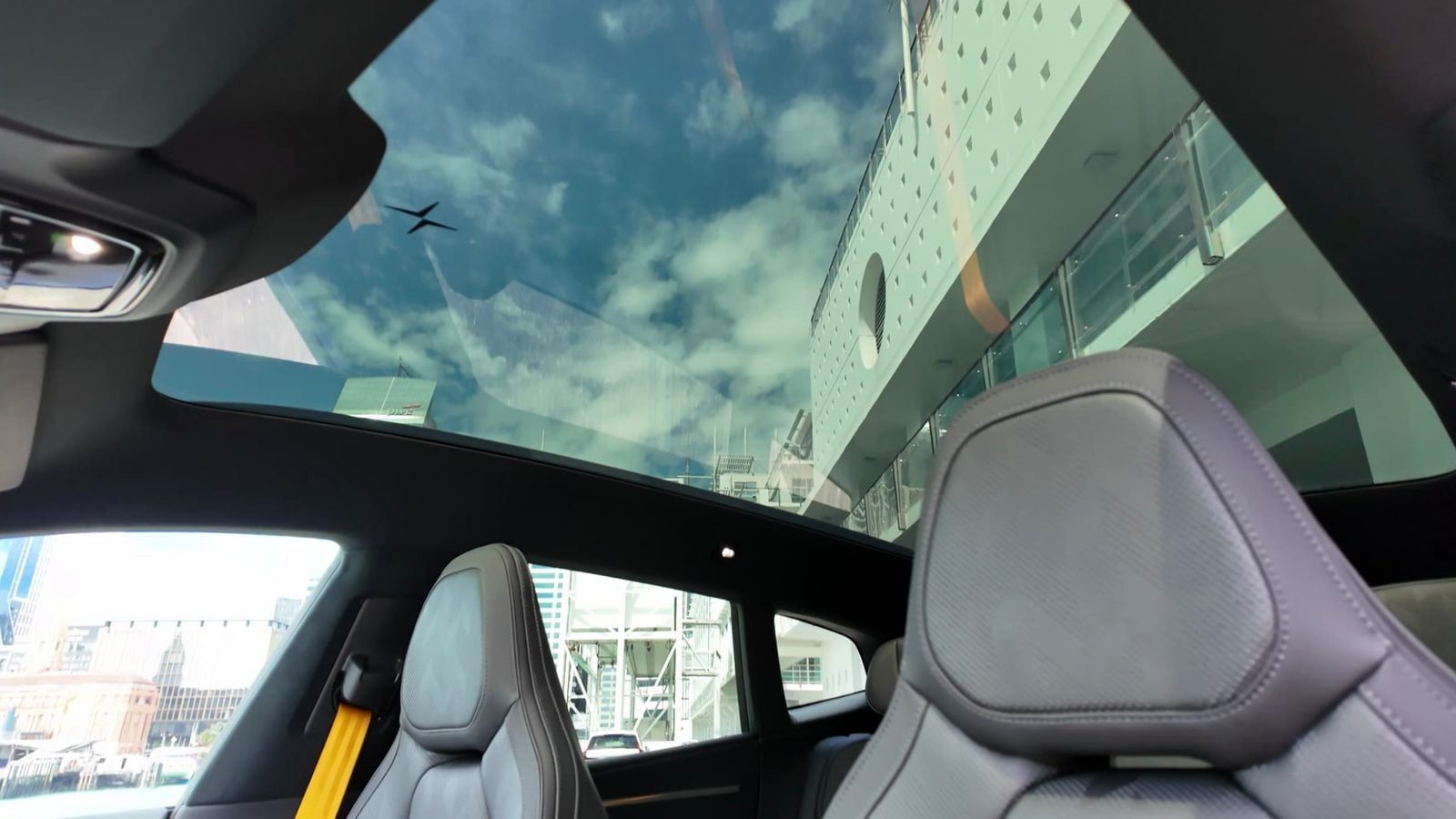
The panoramic glass roof is larger than the coupe’s and gives rear passengers 25mm more headroom. It’s electrochromic and split into four sections that can be shaded separately. The flush, retracting door handles carry over. They help the drag figure, but I’m still not a fan.
The digital rear-view mirror remains available, which makes sense when the boot is loaded to the roof. You can switch it off and use a conventional mirror.
Power and range
Both versions use a 100kWh battery (94kWh usable) on a 400V architecture, with DC charging at up to 200kW. Polestar’s own figures put the battery at 476kg, the heaviest single component in the car, and the Dual Motor weighs about 2265kg in total.
The single-motor car sends 200kW and 343Nm to the rear wheels and covers up to 630km (WLTP), slightly more than the equivalent coupe. The Dual Motor doubles that to 400kW and 686Nm, gets to 100km/h in 3.9 seconds and is rated at 600km.
Fowler says the reason there’s no middle-ground dual-motor variant is simple: “If you go up to the dual motor, it doubles. Double the performance, double the car.”
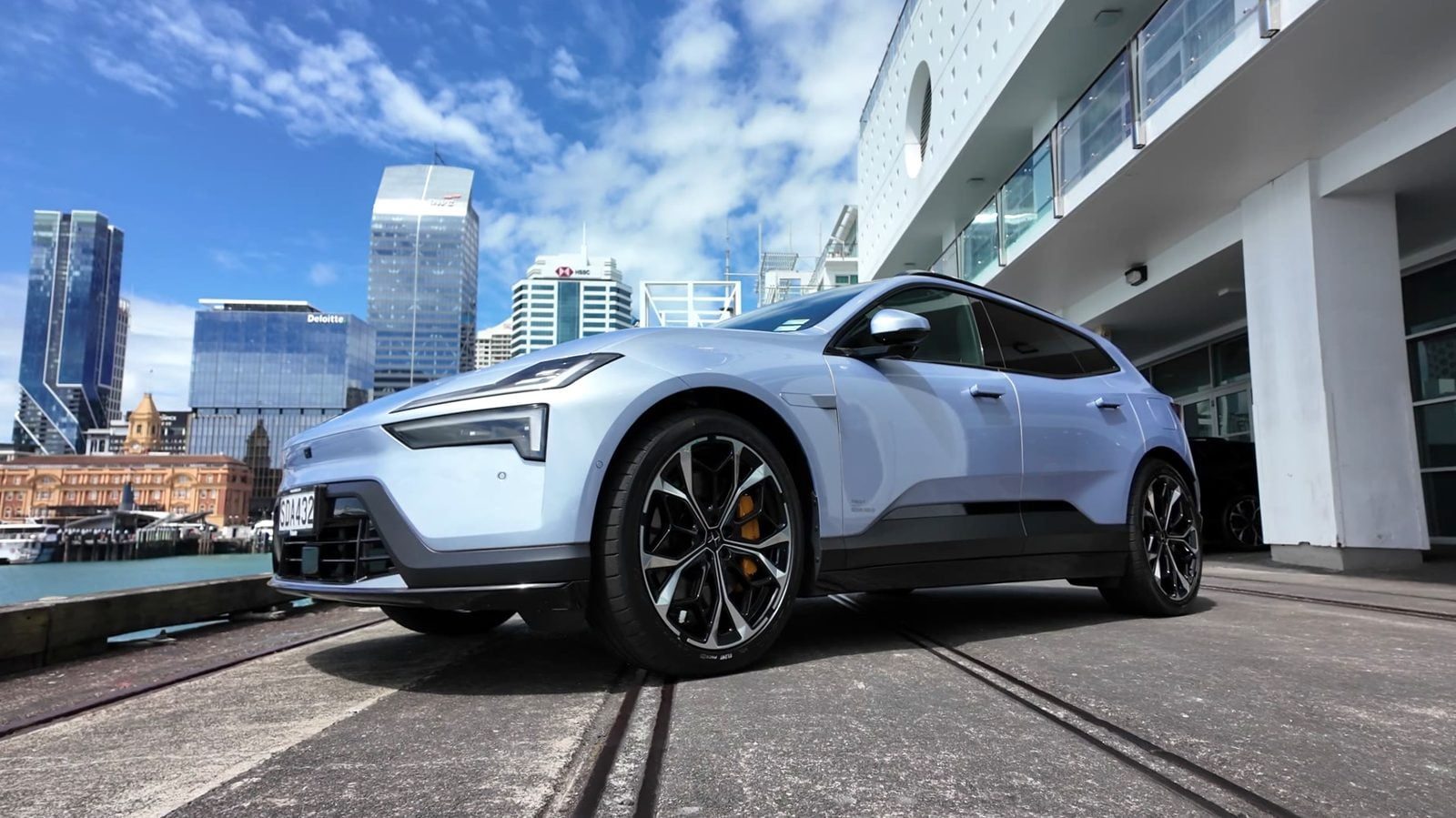
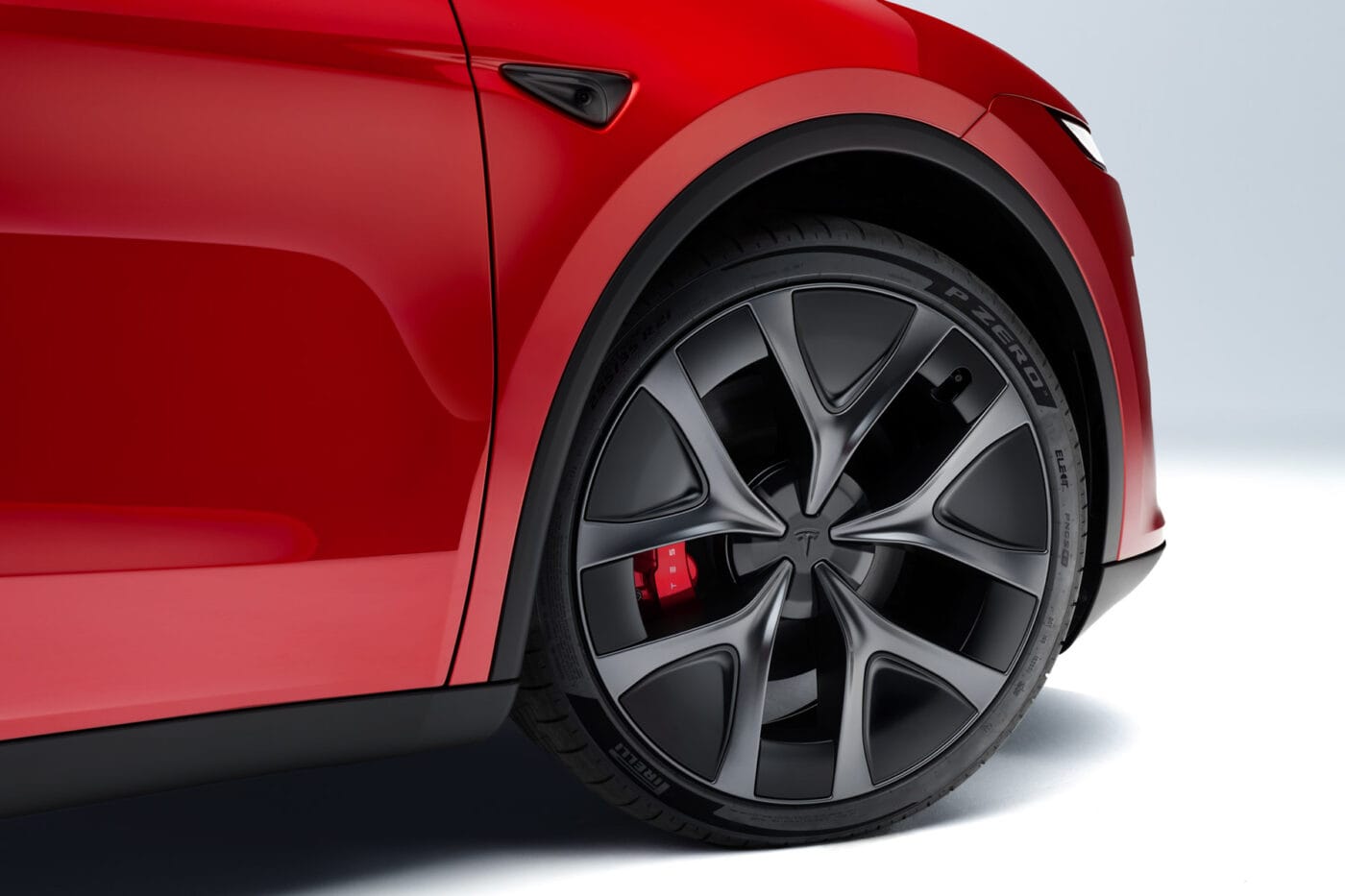
The Performance Pack doesn’t add power. For the extra $9,000 you get recalibrated dampers, Brembo front brakes, 22-inch wheels and Pirelli P Zero tyres, and the range drops to 520km. Whether the wheels and gold calipers are worth it is your call.
Inside
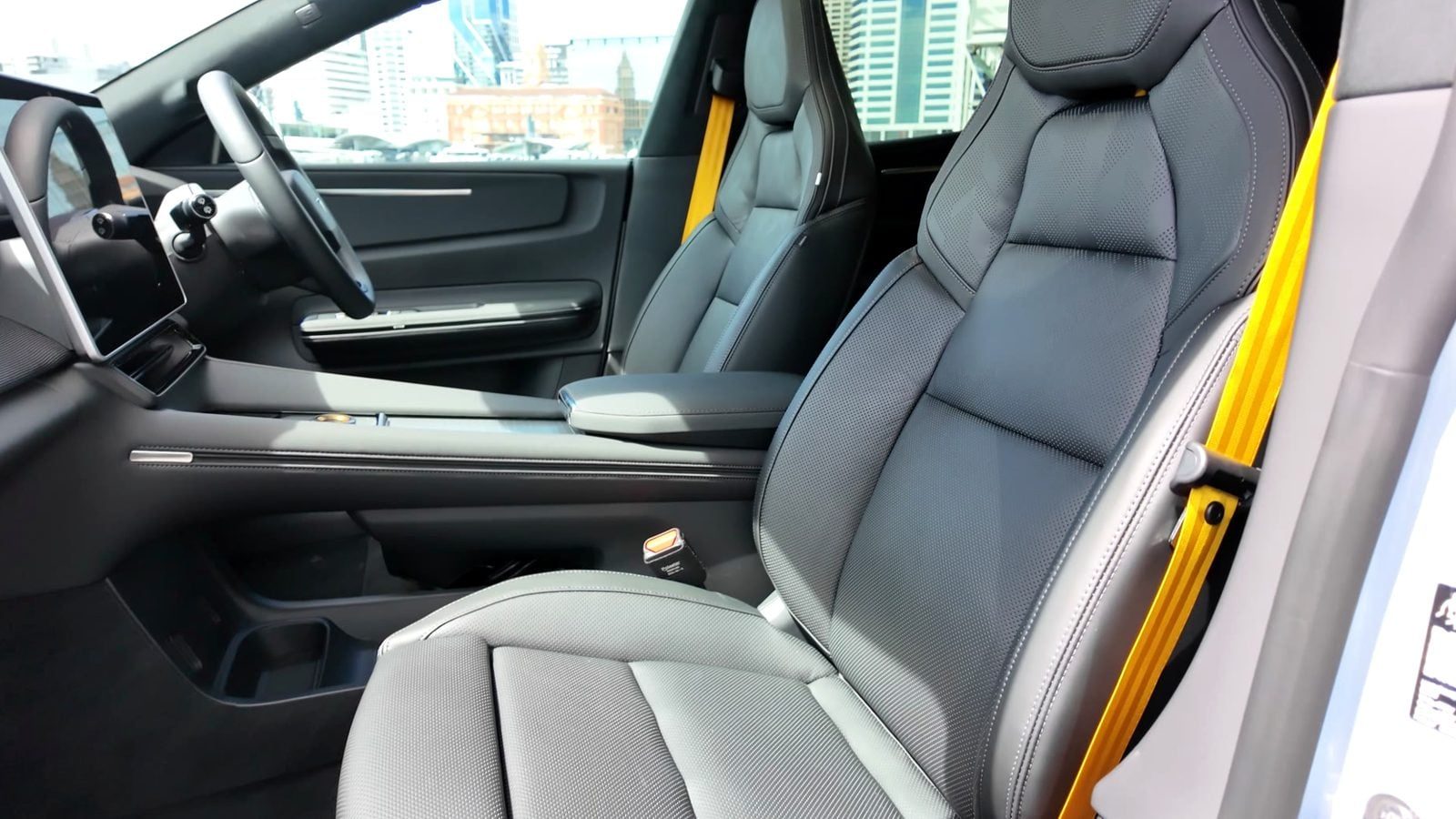
From the driver’s seat it’s the Polestar 4 you already know. It’s a big car inside and out, and at 178cm I had plenty of space. The cabin is grey, but the glass roof lifts it.
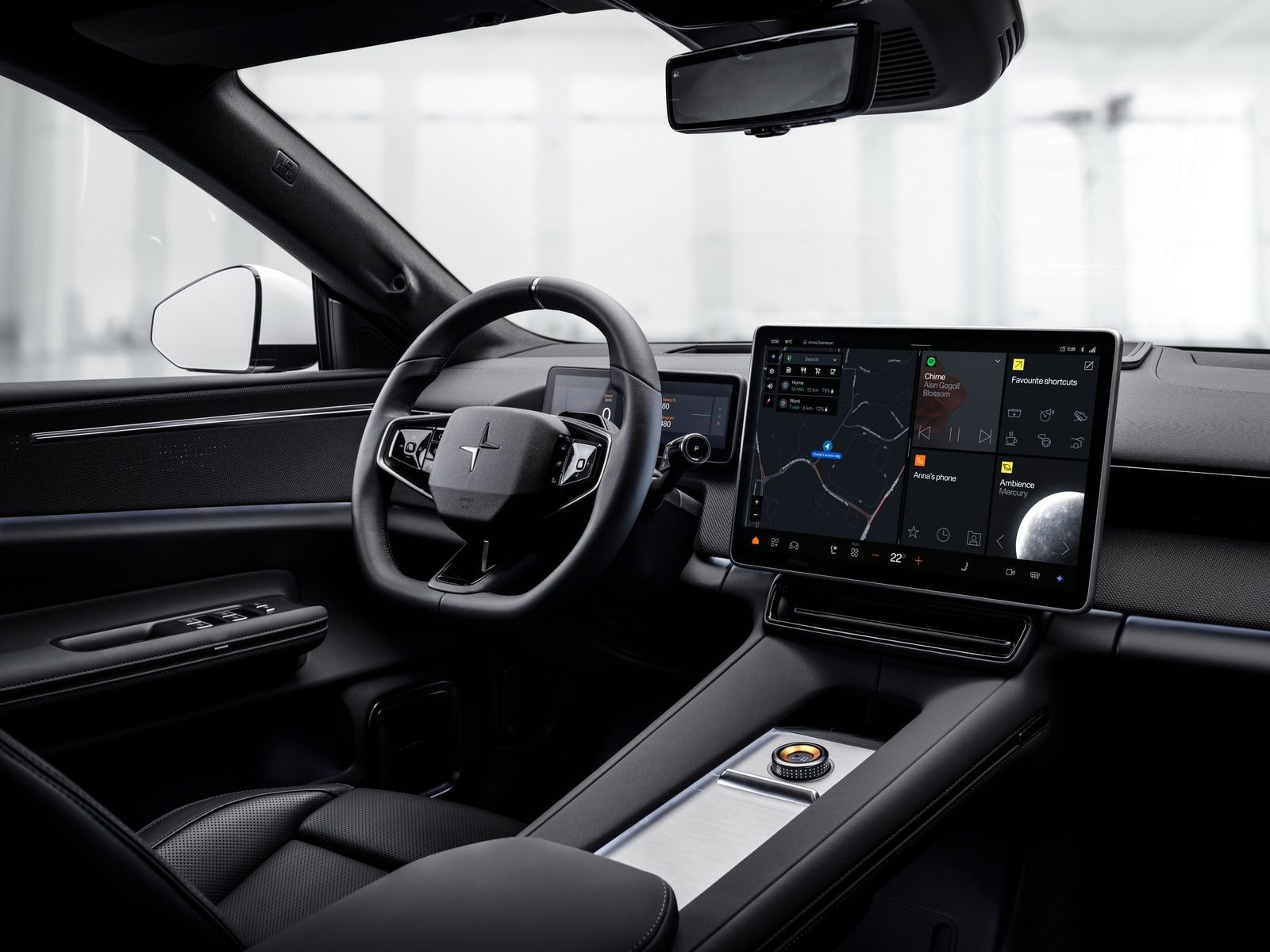
Everything runs through a 15.4-inch touchscreen on Android Automotive, so you can add apps from the Google Play Store and treat the car like a giant phone. Polestar is also rolling out Google Gemini, which it says will handle car functions, calendars and emails by voice. It wasn’t fully set up on the launch cars, and I’m sceptical of tech promises until I’ve tried them.
My big gripe is the air vents. There are almost no physical buttons, and I couldn’t find how to aim the vents without diving into the menus. Taking your eyes off the road to point a vent at your face is silly in 2026. The rest of the menus are logically laid out, so spend some time learning them when you take delivery.
The front seats are heated and ventilated, with a massage function and a heated steering wheel. The Harman Kardon sound system is excellent, especially if your playlist runs to Christopher Cross.
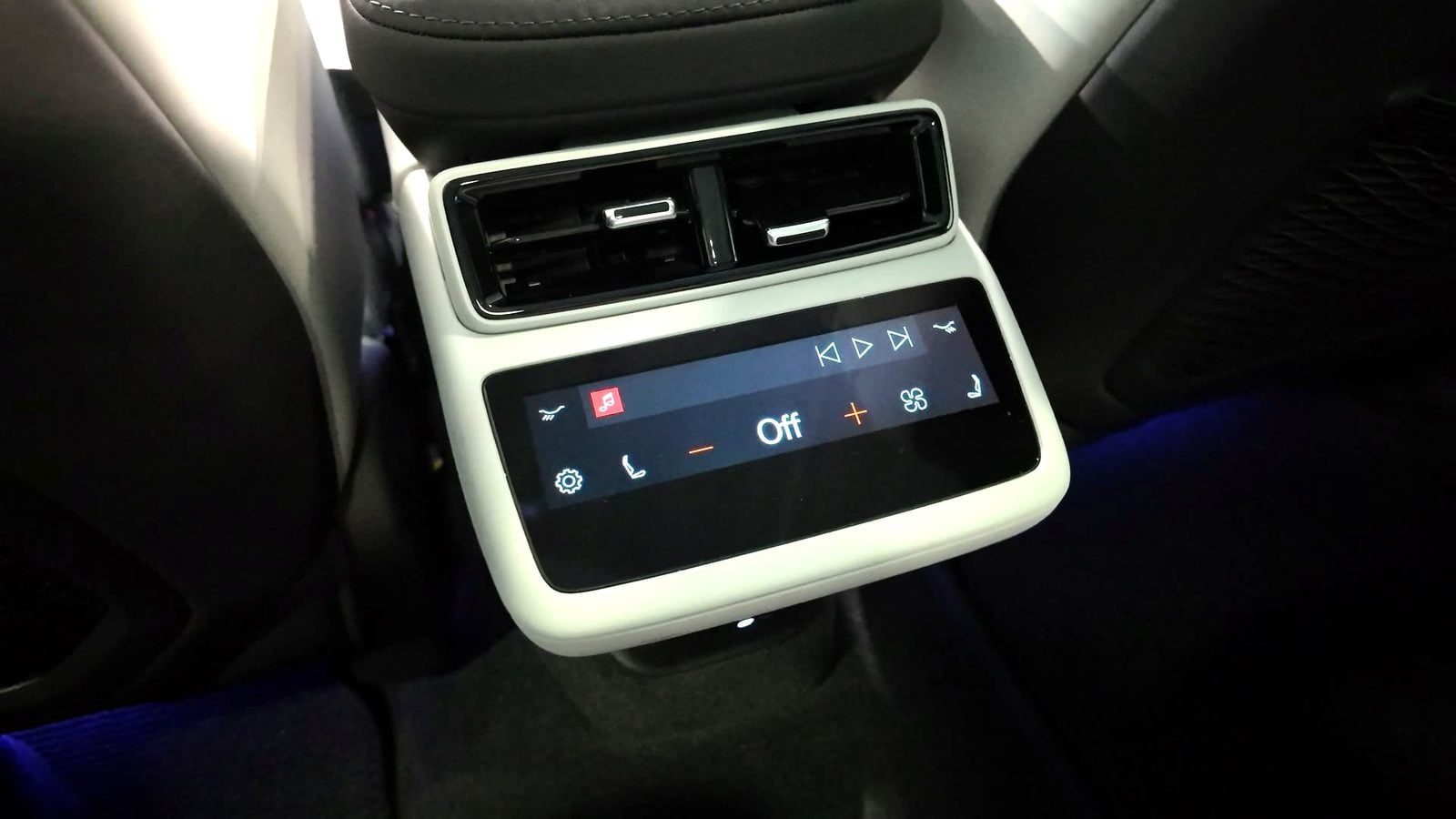
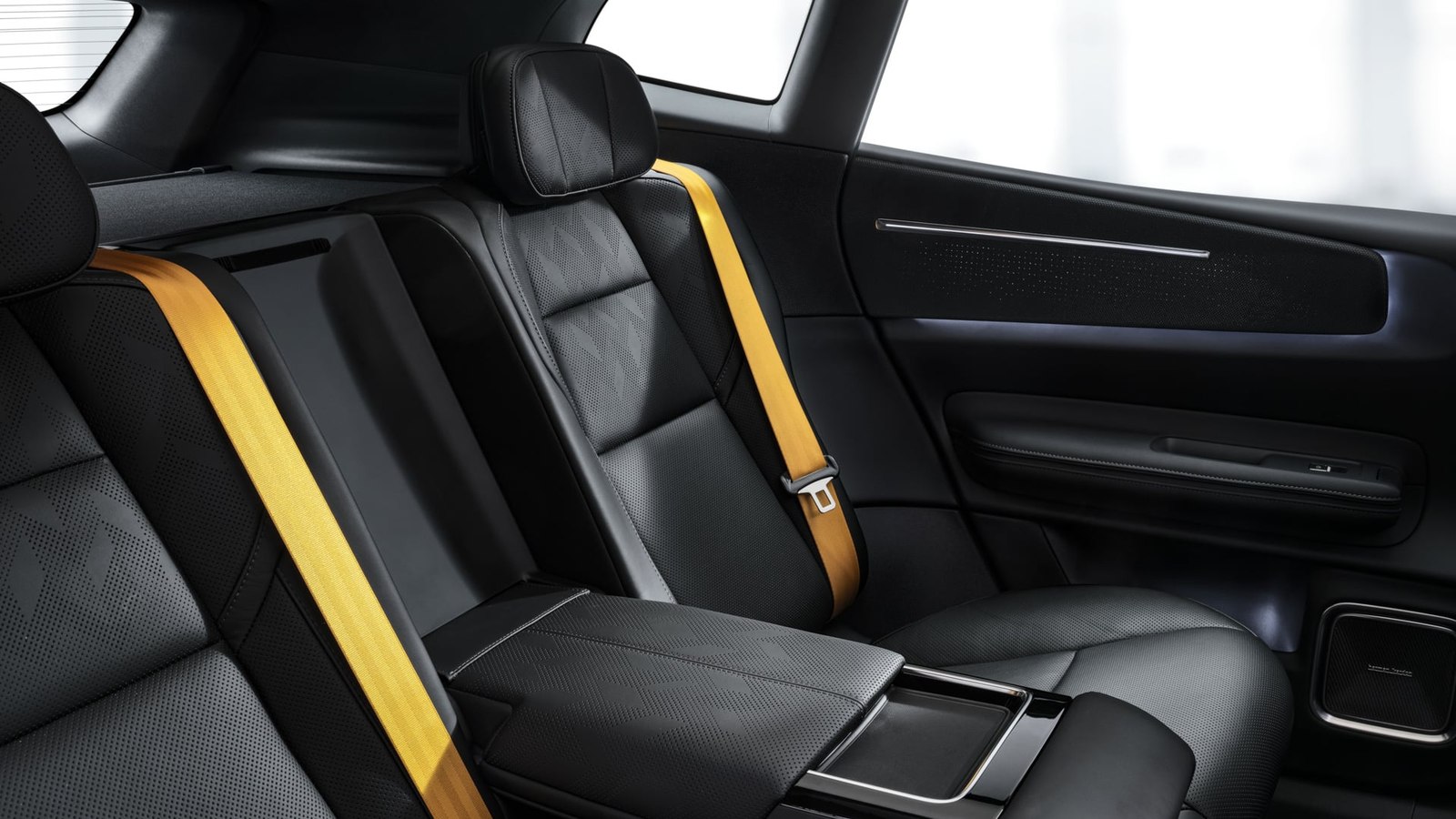
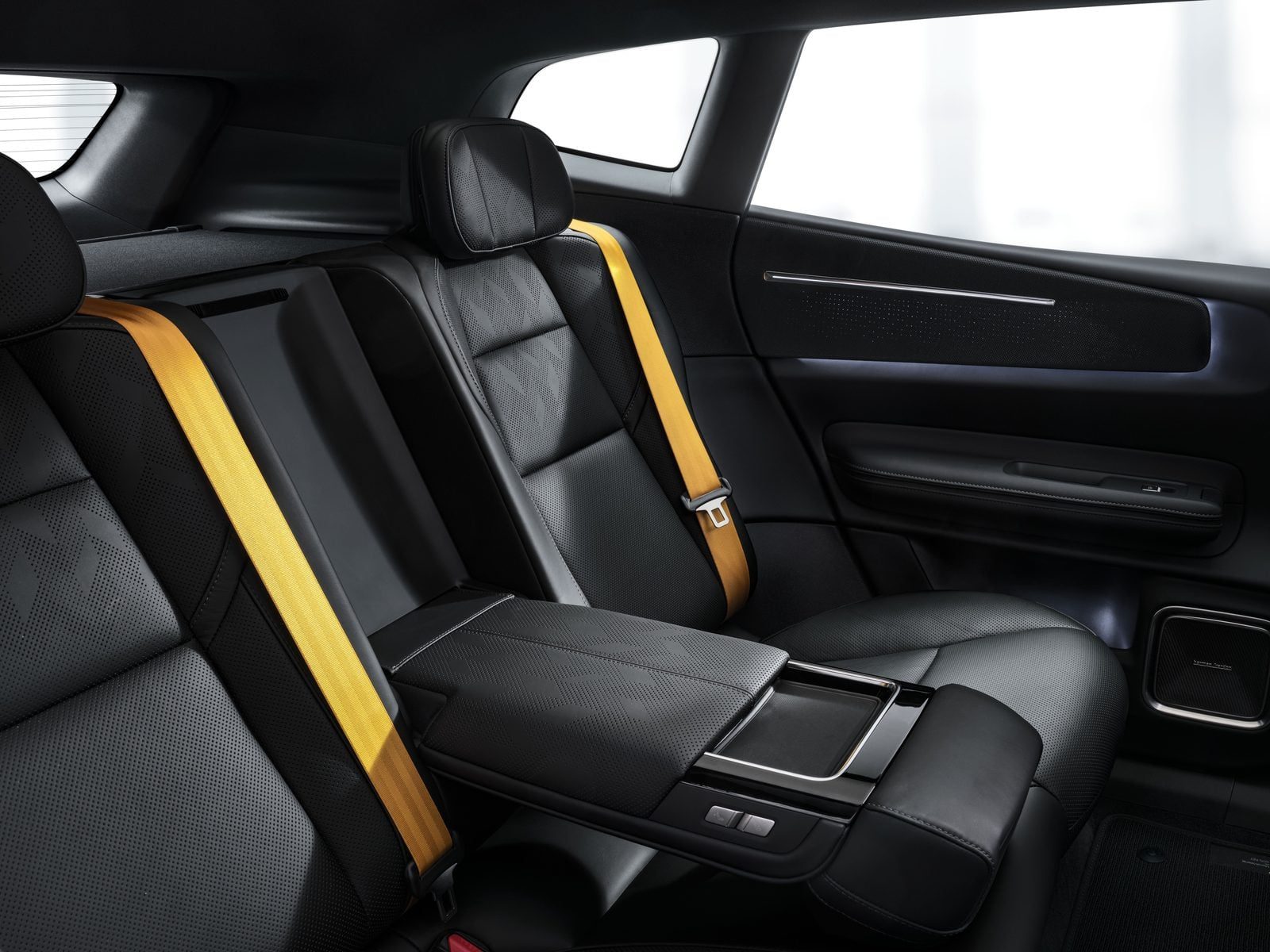
The rear is a highlight. Legroom is excellent and headroom is good. Rear passengers get two manually adjustable vents (I wish the front had them), a small display for climate and the heated rear seats, two USB ports, a flat floor, a fold-down armrest with cupholders and ISOFIX points.
Practicality
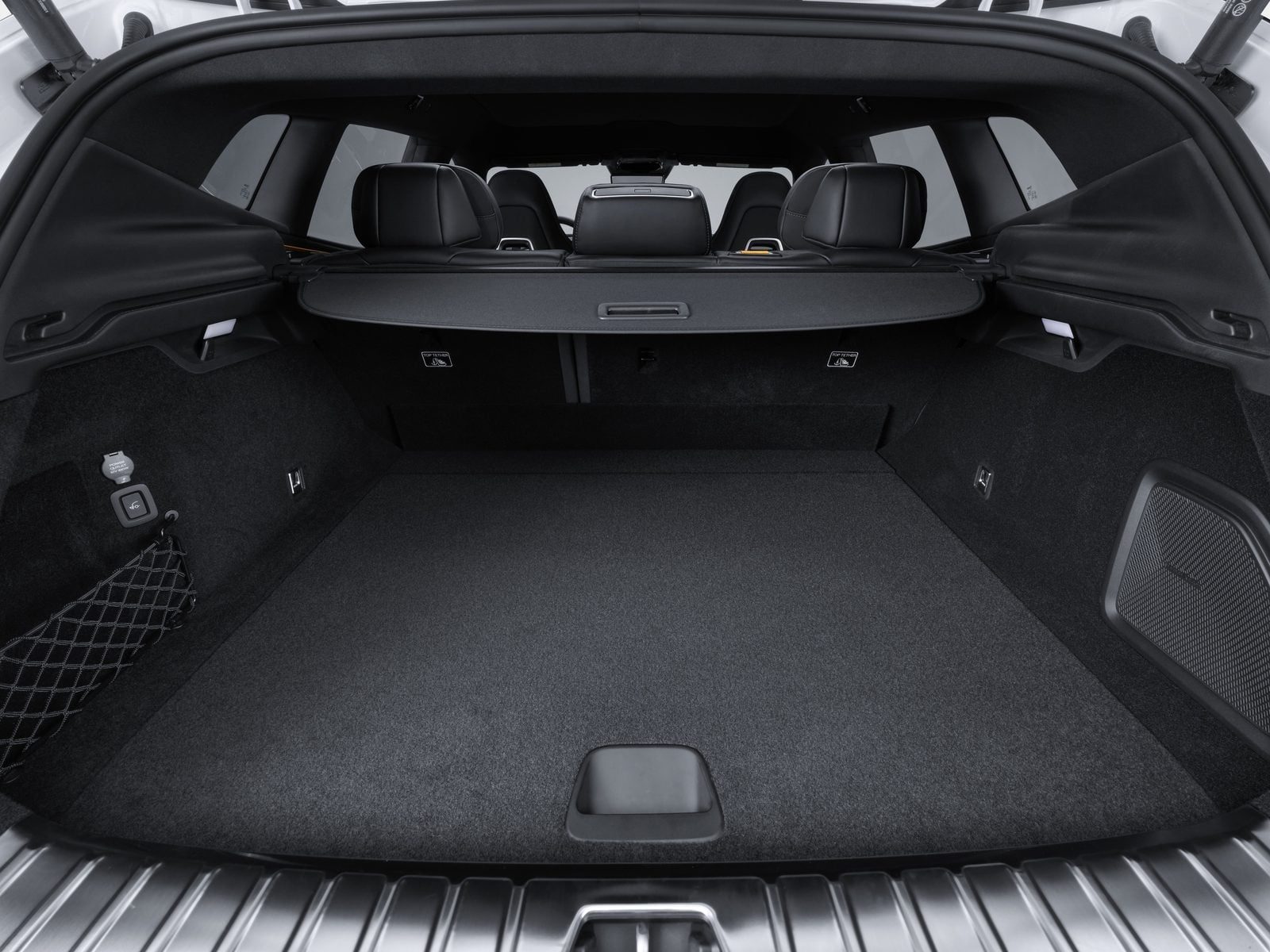
The boot holds 655 litres to the roof, with extra underfloor storage beneath a false floor and a removable parcel shelf. Fold the 60:40 rear seats and you get 1665 litres, a lot more than the coupe.
It’s the first Polestar with vehicle-to-load from launch. Plug an adapter into the charge port and you can run appliances off the battery, handy in a power cut. The hardware is also ready for vehicle-to-home and vehicle-to-grid once the standards are ratified, and Polestar NZ is running pilots, including one in Queenstown.
There’s also a camping mode that keeps the cabin at a set temperature overnight with the seats folded. It’s a nice touch, and perhaps a hat tip to Tesla.
Behind the wheel
The launch route didn’t do the car any favours. It was mostly 80km/h zones, roadworks and wet roads, so these are early impressions only.
Polestar has spent another 18 months on the chassis since the coupe launched, and Fowler reckons it shows. “Believe it or not, it actually drives better than the already amazing Polestar 4 coupe,” he says.
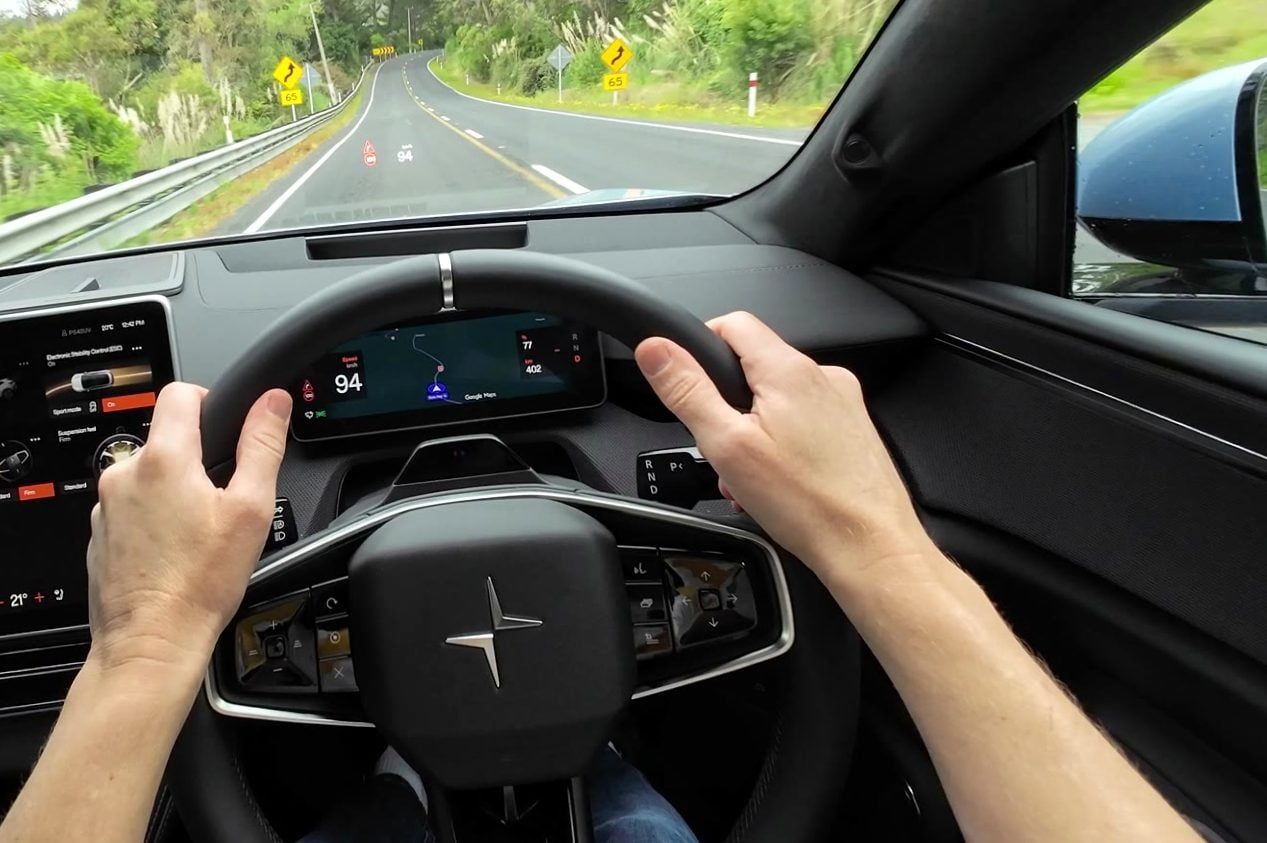
There are three steering settings (Light, Standard and Firm) and three for the suspension (Standard, Nimble and Firm). In the city, Light steering and Standard suspension make it a relaxed, comfortable cruiser, and the Level 2 driver assistance holds the car steadily on the motorway.
Switch everything to its sportiest setting and it becomes a different car. The Firm suspension is properly hard, and you feel the width and weight. But the battery keeps the centre of gravity low, so it corners flat, with barely any body roll, and the seat bolsters hold you in place. When I eventually found some tight, low-speed corners, the damping and body control impressed me, and the sticky tyres clung on over rough patches. You can feel the electronics working when the wheels start to slip, but they’re subtle about it.
There’s no shortage of power. In the wet, a launch-control start had the tyres scrabbling for grip before the car hooked up and took off. It feels like two cars in one: relaxed on the motorway, eager on a back road.
The competition
The obvious rivals are the Tesla Model Y and the Zeekr 7X, both of which undercut it on price. The Polestar counters with style and a premium badge. It feels like a high-end car, and it looks like one.
Verdict
It’s a short first drive on the wrong roads, but the Polestar 4 SUV makes a strong first impression. It fixes the coupe’s biggest flaw with a real rear window, adds practicality without losing the looks, and seems to handle well. The touchscreen-only controls are still frustrating. A full review is coming.
Polestar 4 SUV Dual Motor
- Price: $119,900 (Rear Motor $109,900; Performance Pack $9,000)
- Powertrain: Dual motor, AWD (Rear Motor: single motor, RWD)
- Outputs: 400kW/686Nm (Rear Motor 200kW/343Nm)
- Battery: 100kWh (94kWh usable), 400V
- 0-100km/h: 3.9sec (Rear Motor 7.3sec)
- Range (WLTP): 600km (Rear Motor 630km; with Performance Pack 520km)
- Charging: 200kW DC, 11kW AC (22kW optional)
- Boot: 655-1665L, 15L front
- Roof load: 100kg (static)
- Weight: 2265kg
Join the conversation