
High-mileage EVs fail fewer roadworthiness tests, but the battery is not checked
A UK study of 47.4 million roadworthiness tests found higher-mileage EVs fail less often than petrol cars of the same age, though the test does not measure battery health.
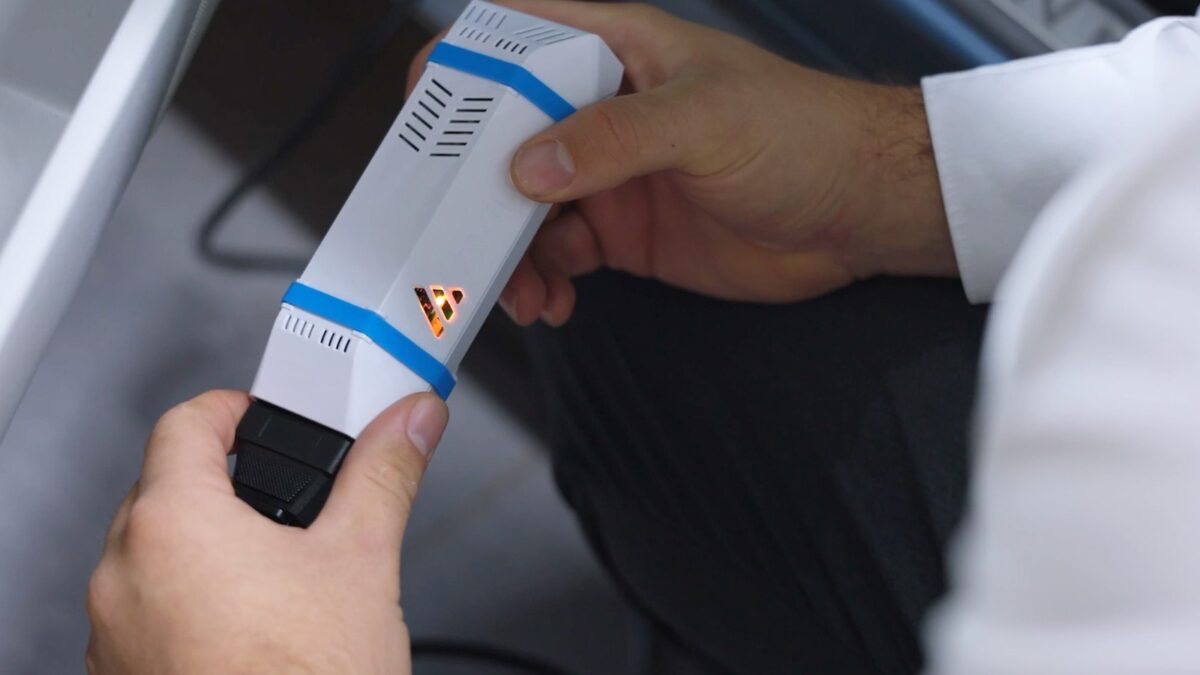
A study of 47.4 million British roadworthiness tests has found that higher-mileage electric cars fail less often than petrol cars of the same age, while saying nothing about how their batteries are holding up.
Among cars that had covered roughly 145,000 to 193,000km, electric vehicles recorded a failure rate of 16.5% against 22.1% for petrol models of the same age, making them about 25% less likely to fail. Beyond 193,000km the gap widened, at 16% for electric cars and 23.5% for petrol. At lower mileages there was little difference between the two. The analysis was carried out by consultancy New AutoMotive for the British Vehicle Rental and Leasing Association.
“What this data shows is that mileage alone should not put consumers off. A well-maintained, higher-mileage electric car can be an extremely durable used vehicle,” says BVRLA chief executive Toby Poston.
New AutoMotive chief executive Ben Nelmes puts the pattern down to the drivetrain. “The data suggests the mechanical simplicity of an electric drivetrain starts to become increasingly valuable as cars accumulate miles,” he says.
Electric cars did not win every category. They recorded nearly twice as many tyre defects as petrol vehicles, and older electric cars with low mileages showed more friction-brake defects, which the researchers attribute to corrosion from brakes that are used less often. A low odometer reading is no guarantee of condition either.
What the test does not cover
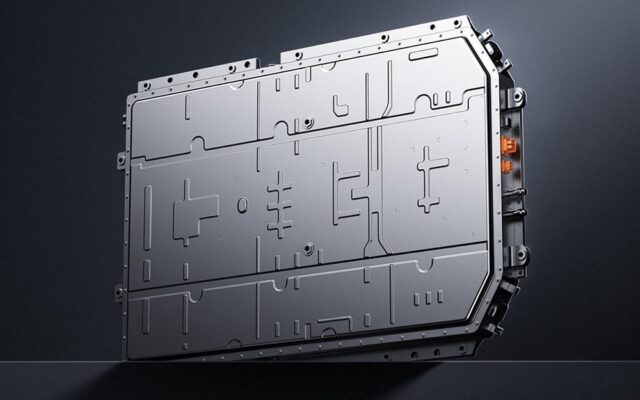
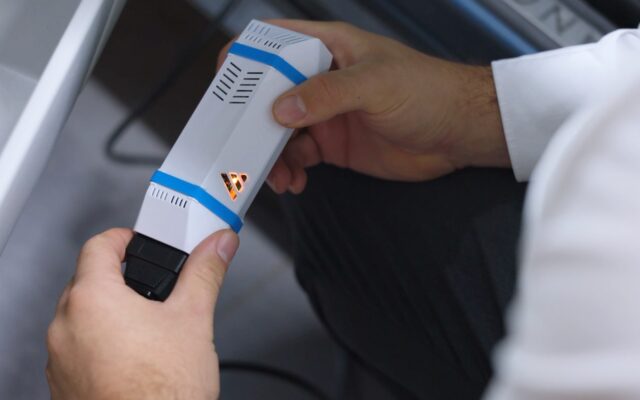
The MOT is Britain’s equivalent of our warrant of fitness, checking tyres, brakes, suspension, steering and lights. Like the WoF, it does not measure battery state of health, degradation or charging performance, so a lower failure rate says nothing about whether a used EV will still deliver its original range.
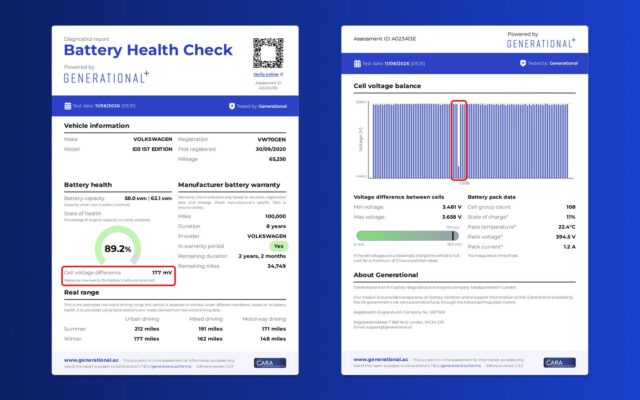
That gap is what this year’s battery research has been probing. AVILOO’s study of more than 500,000 independent tests found state of health varying by up to 13.5% between individual cars of the same model, while cell-level analysis of 10,000 used EVs found a small minority carrying faults that headline state of health figures miss. Trade Me research in August found battery condition has overtaken range as the biggest barrier for New Zealand buyers.
“This isn’t an argument for buying a used EV without doing your homework,” Poston says. “Buyers should look at its history, condition, tyres and battery health just as they would scrutinise the engine, gearbox and service history of a petrol or diesel car.”
The point carries further here than in Britain, because a large share of New Zealand’s used electric cars arrive as Japanese imports with no local service history and no record of how the battery has been treated. The odometer is part of the story, and so is the pack.
Join the conversation