
Touchscreen controls cost Aion UT and X9 marks, but both get five ANCAP stars
The GAC Aion UT and XPeng X9 both earned five-star ANCAP ratings, but scored 20% for driving controls because too many functions sit on the touchscreen.
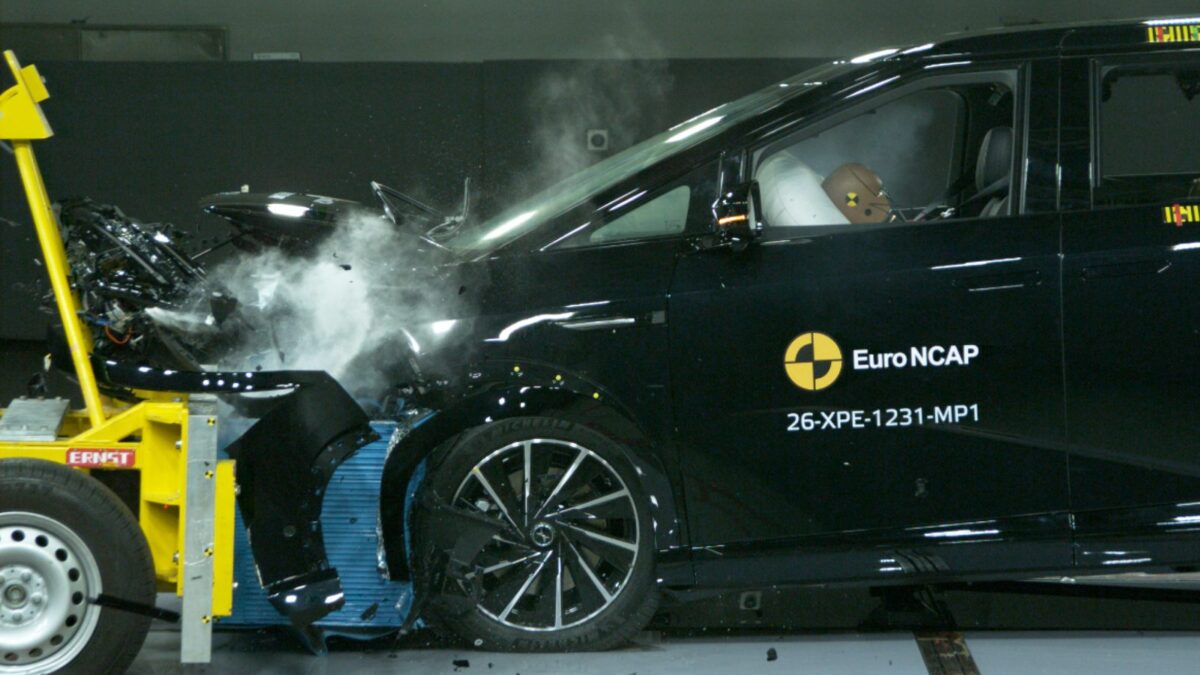
The GAC Aion UT electric hatch and XPeng X9 electric people mover have both been awarded five-star ANCAP safety ratings under the 2026-2028 criteria. Both lost marks for putting too many everyday driving controls on the touchscreen.
The ratings apply to all New Zealand variants of both cars. The Aion UT went on sale here in May and the X9 in June.
| GAC Aion UT | XPeng X9 | |
|---|---|---|
| Rating | Five stars | Five stars |
| Safe Driving | 68% | 56% |
| Crash Avoidance | 74% | 82% |
| Crash Protection | 90% | 91% |
| Post Crash | 88% | 91% |
| Driving controls | 20% | 20% |
Both scored 20% in the driving controls assessment. ANCAP says functions such as headlights, wipers, demisters, mirrors and hazard lights, along with audio, phone and climate controls, rely too heavily on the touchscreen.
“We want to see carmakers bring back buttons for the functions drivers use every day,” said ANCAP chief executive Carla Hoorweg. “Adjusting your windscreen wipers, switching on your headlights or clearing a fogged-up windscreen should be simple, intuitive and achievable without taking your attention off the road.”
Both cars scored well in ANCAP’s battery assessment, including a pierce test that checks whether damage to one cell can set off a chain reaction leading to a fire. Both makers have fitted the hardware for automatic emergency calling (eCall), and have committed to having it working by October 2027.
GAC Aion UT
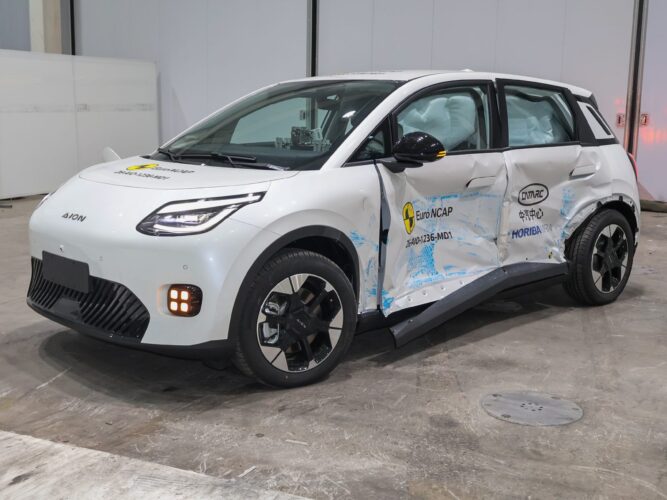
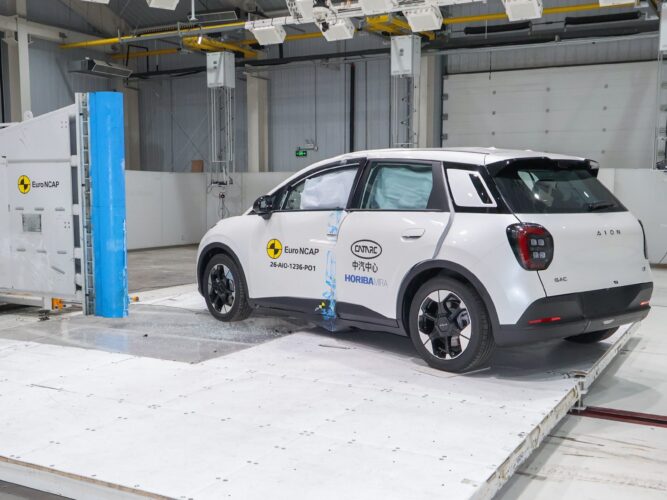
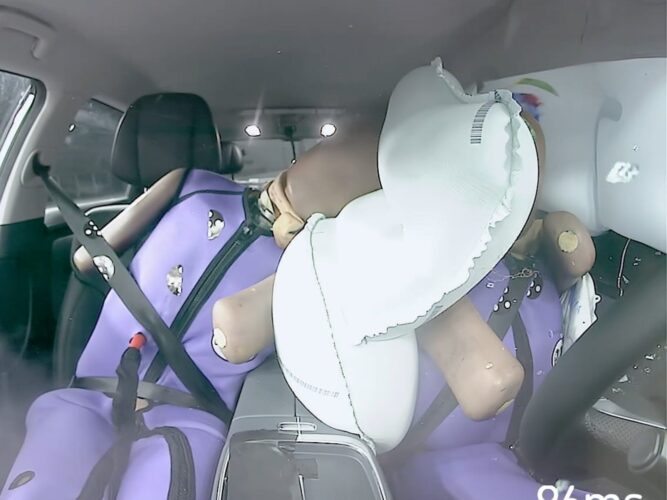
The Aion UT was strongest in side impacts, with maximum scores for the driver in the side impact and oblique pole tests. Its centre airbag between the front seats helped it to maximum points in far-side impact tests too.
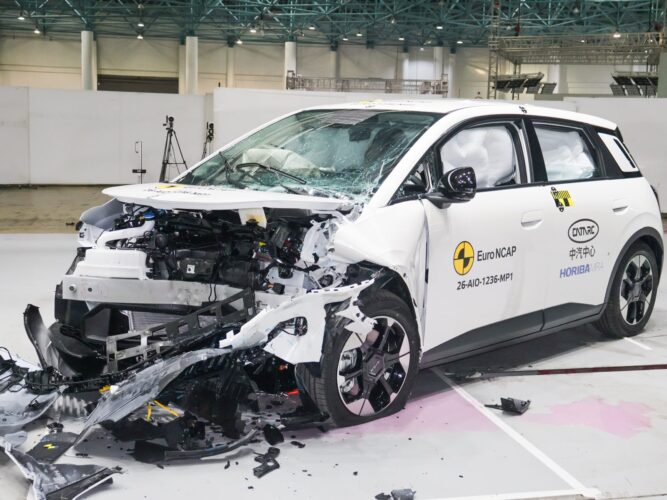
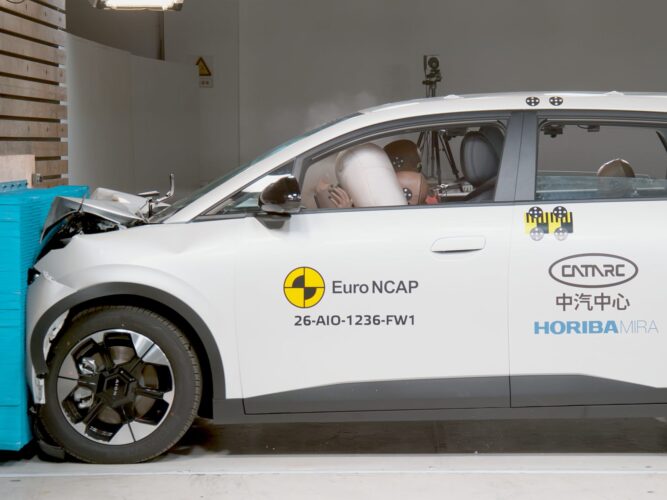
Frontal protection was good or adequate, although chest protection for the small female driver dummy in the full-width test was marginal. ANCAP applied a deduction for the risk its structure poses to occupants of an oncoming vehicle in a head-on crash.
Its autonomous emergency braking was strong when turning across the path of other vehicles and when approaching pedestrians and cyclists from behind, but less effective when a car or motorcycle crossed its path at an intersection. It does not stop unintended forward acceleration towards a pedestrian from pedal misapplication.
Exterior door and tailgate opening scored poorly after the crash tests. Head protection for pedestrians was weak or poor in areas away from the windscreen.
XPeng X9
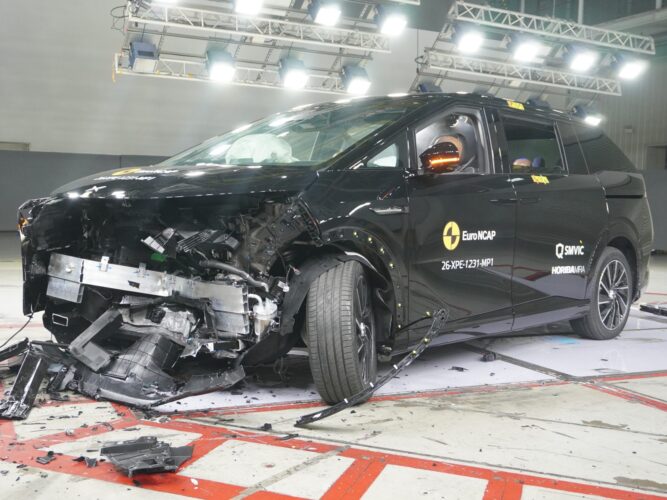
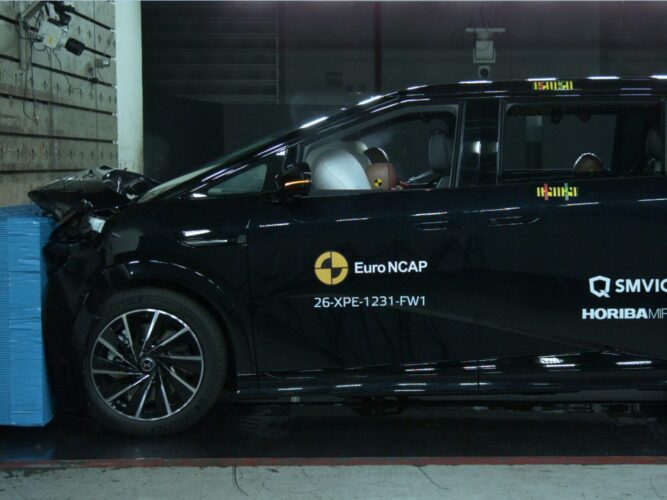
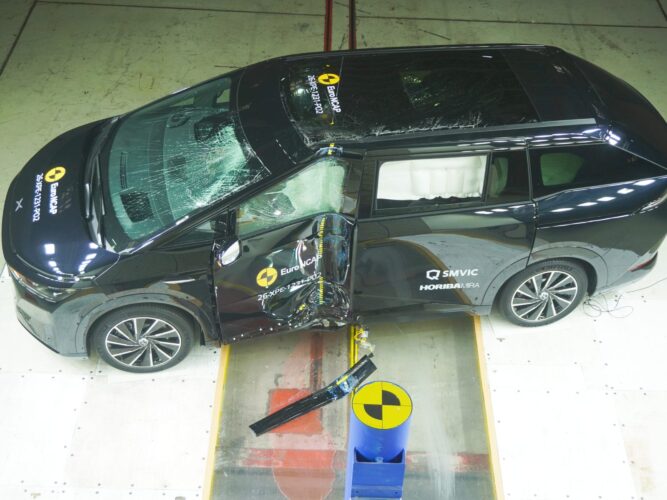
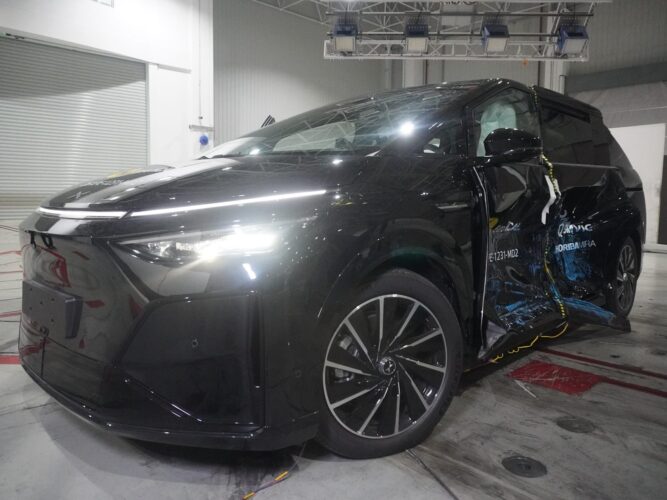
The X9 recorded maximum scores for the driver, front passenger and child occupants in both the frontal offset and full-width frontal tests, and for adults and children in the side impact test. As with the Aion UT, ANCAP applied a deduction for its crash compatibility in head-on crashes.
Its adaptive cruise control achieved maximum scores for responding to roundabouts and crossings, and for resuming after a stop. Its Safe Driving score was held back by a driver monitoring system that could not detect phone use, no detection of an out-of-position front passenger, and a speed assistance system that did not meet the general requirements for scoring.
No points were awarded for interior door opening after the crash, as ANCAP found the emergency release for the rear door was not easily accessible.
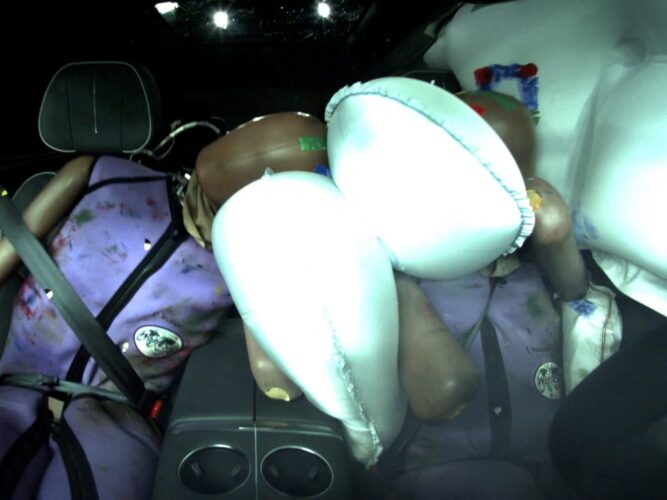
Child restraints should not be used in the centre seat of the third row, as it has no top tether anchorage, and one of the forward-facing convertible seats ANCAP tested could not be correctly installed in the second-row outboard seats.
The full results are on the ANCAP website for the GAC Aion UT and XPeng X9.

Join the conversation