
Haval H7 PHEV first drive: Hip to be square
GWM’s boxy H7 plug-in brings a 33.7kWh battery, 137km of EV range and 320kW for $61,990, plus off-road hardware its rivals lack.
By Gavin Shoebridge and Richard Edwards
The plug-in hybrid version of GWM’s new Haval H7 pairs a 33.7kWh battery with 320kW, giving it 137km of WLTP electric range and a 0-100km/h time of 4.9 seconds. At $61,990, it undercuts the plug-in RAV4 and Outlander while offering a bigger battery than either.
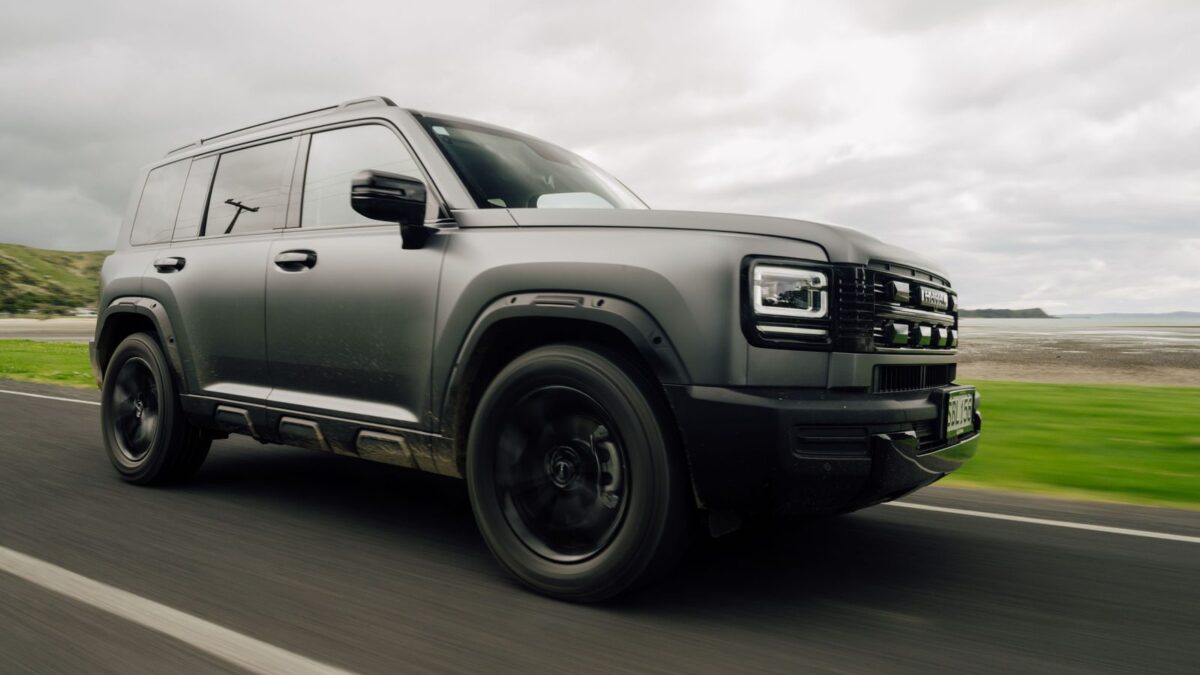
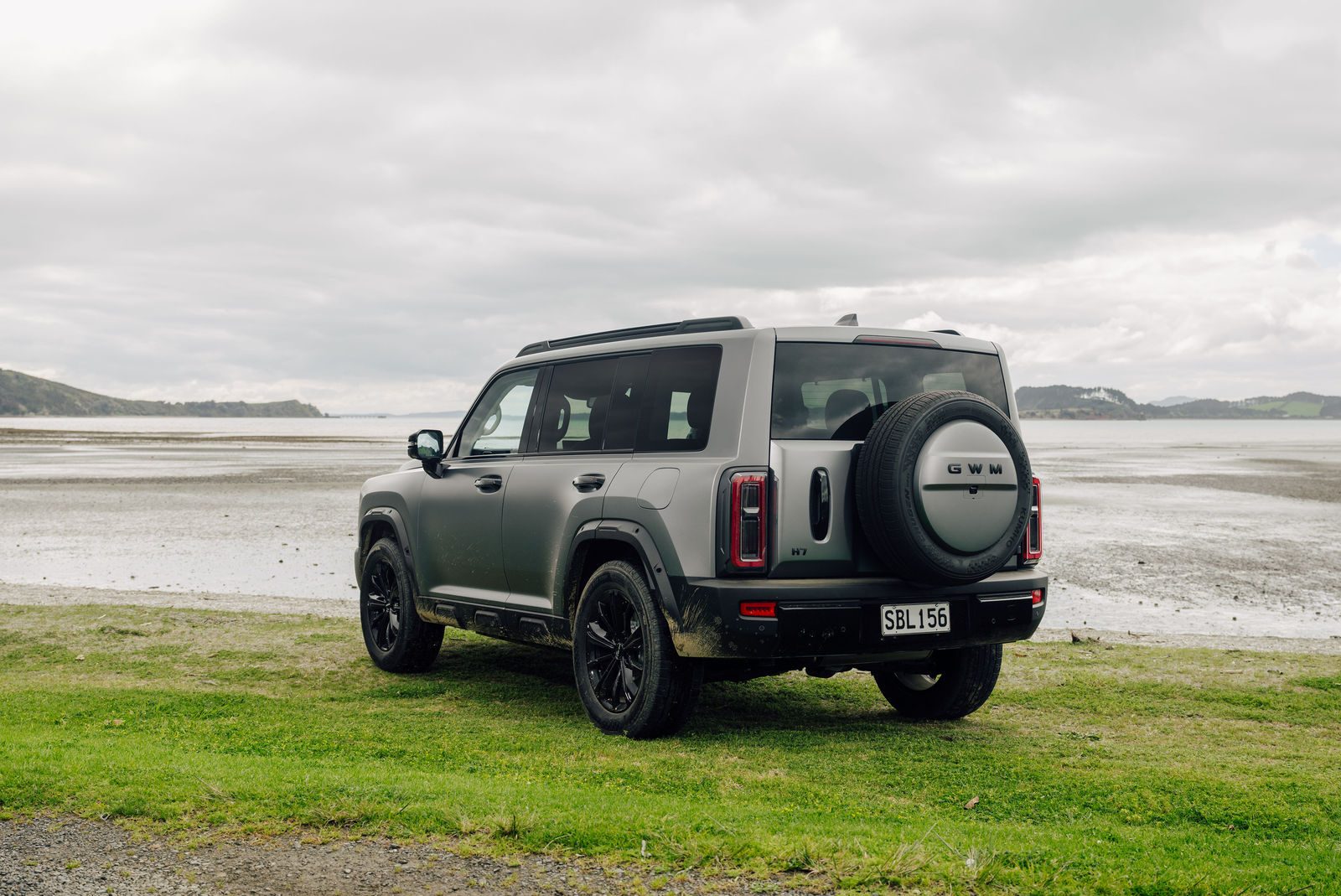
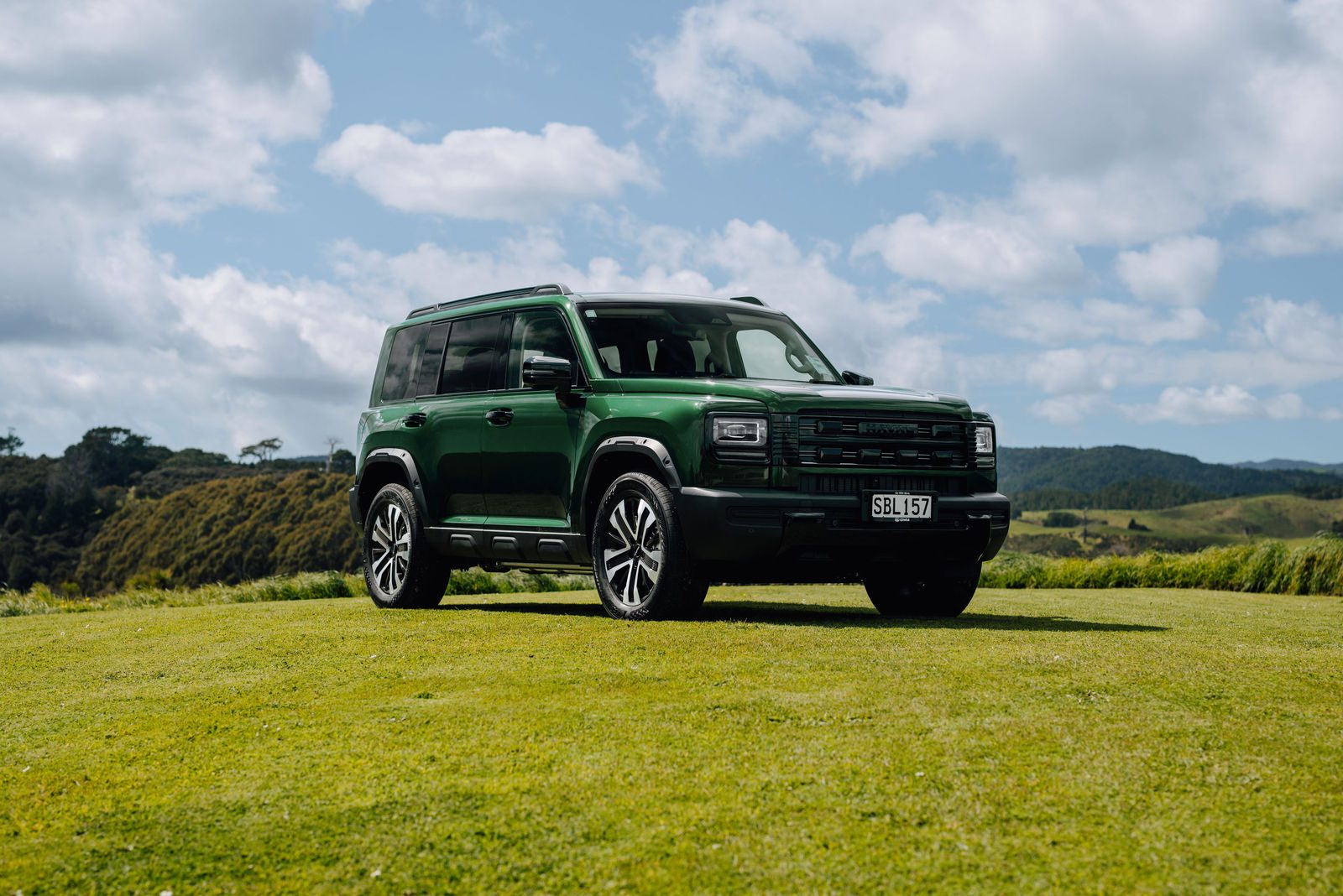
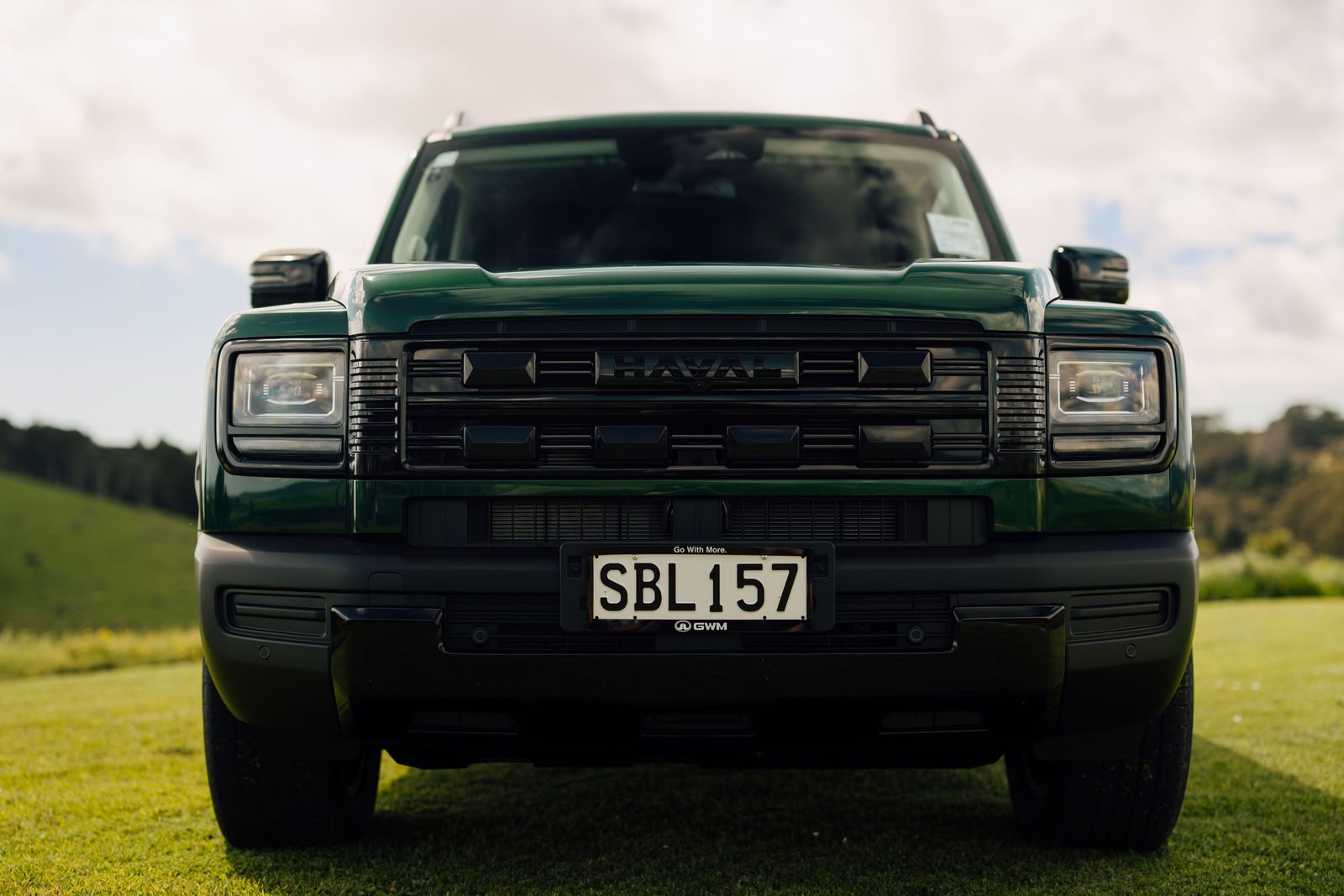
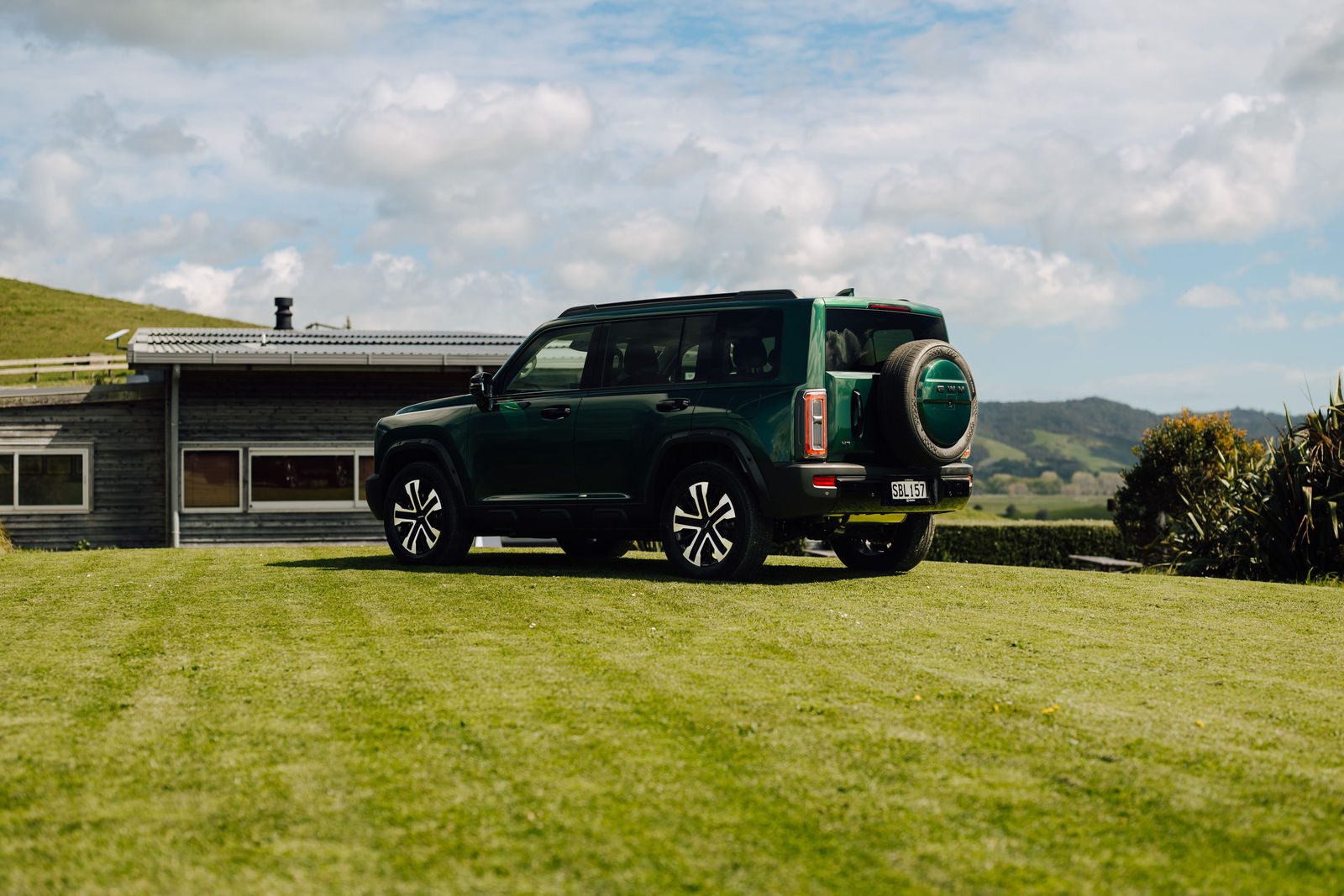
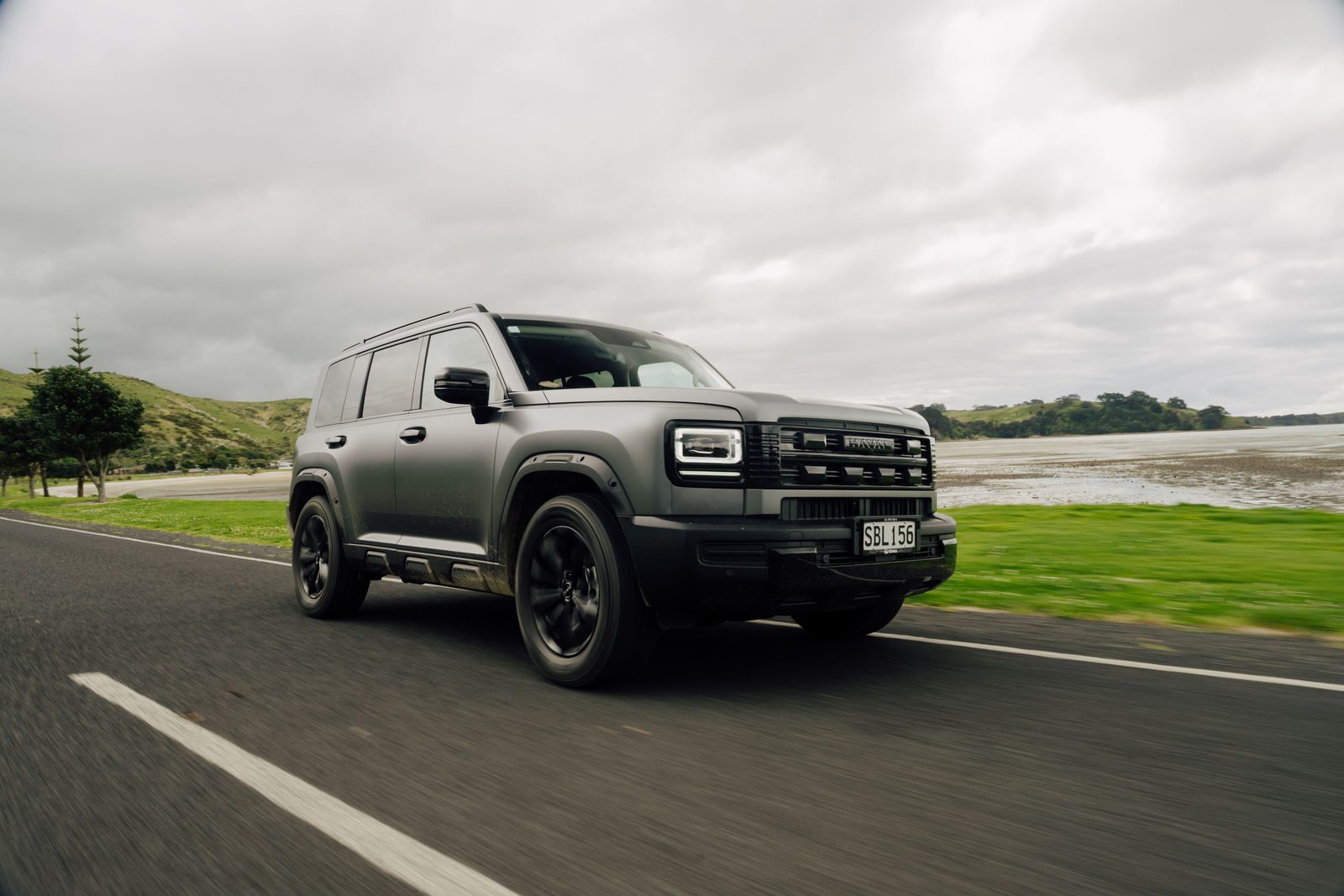
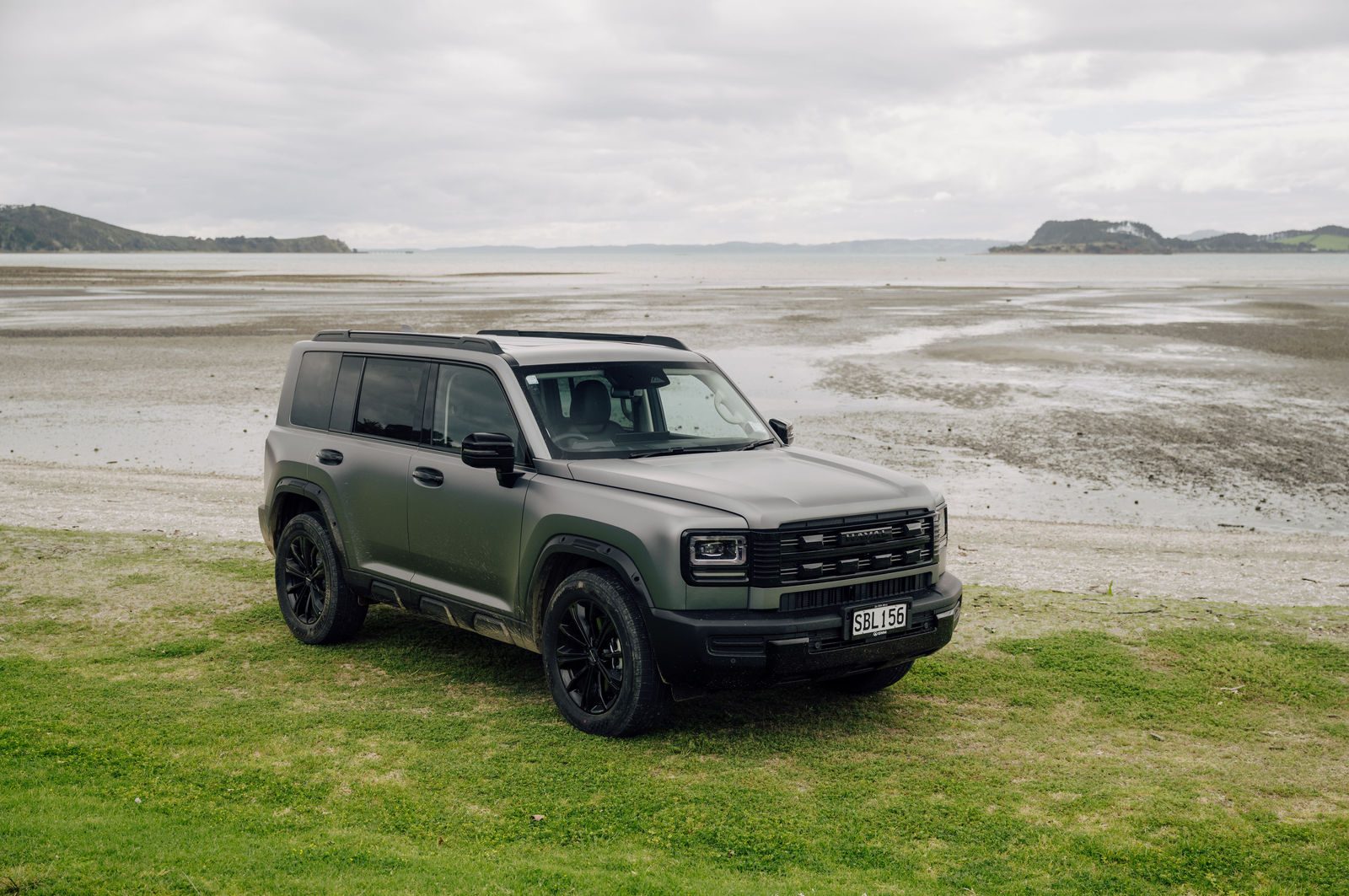
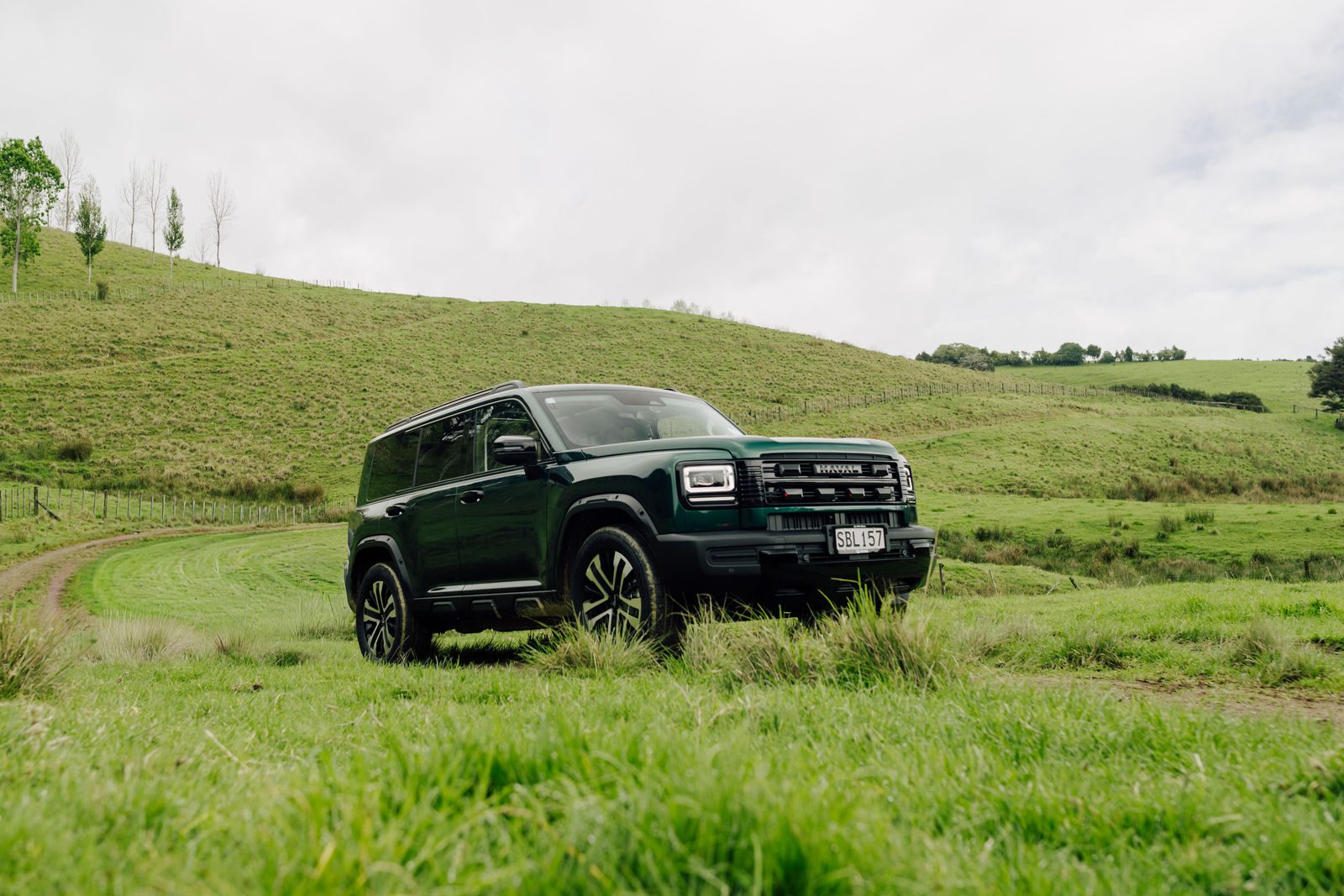
It also makes no attempt to blend in with the rounded medium SUVs that fill New Zealand driveways. With its squared-off body, a full-size spare on the tailgate and a locking rear differential, it’s built, in the words of product planning specialist Dennis Tito, “to stand apart”. We drove the Vanta PHEV and the Vanta hybrid at the national launch.
The range
The first H7s to reach dealers are the Vanta PHEV AWD at $61,990 and the Vanta HEV AWD at $55,990, both plus on-road costs. A front-drive Lux HEV at $49,990 is due around December, with its full specifications to be released closer to arrival.
Both Vanta models pair a 1.5-litre turbo petrol engine with a four-speed dedicated hybrid transmission and electric motors on both axles.
In the plug-in, that adds up to 320kW and 670Nm. Its 33.7kWh LFP battery, supplied by GWM subsidiary SVOLT, gives 137km of electric range on the WLTP cycle and a combined range of 844km, with claimed fuel use of 0.9L/100km. A DC charger takes it from 30 to 80% in 18.6 minutes, a 6.6kW portable charger comes in the box, and 6kW vehicle-to-load lets it power appliances.
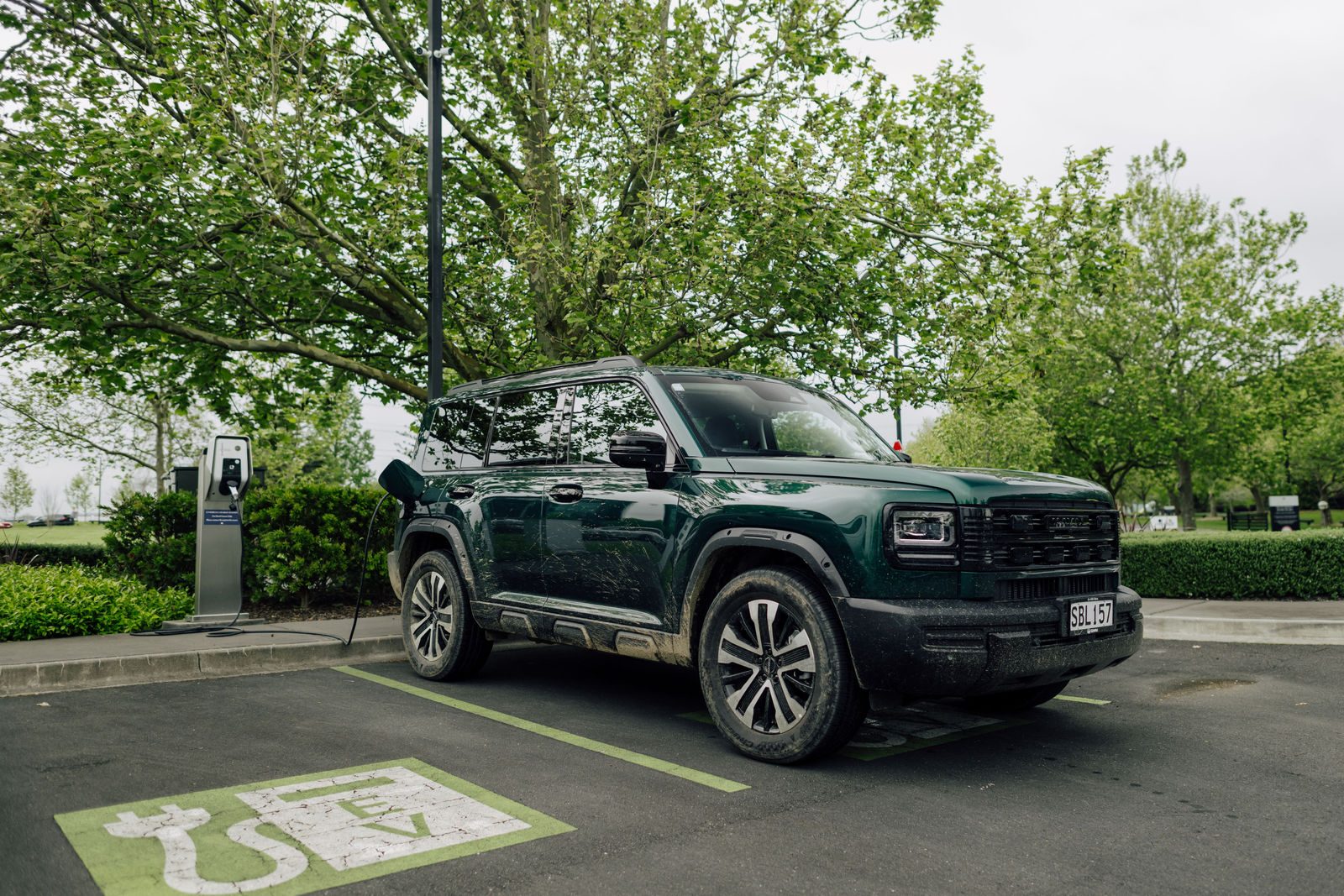
The HEV keeps the same 670Nm but has 182kW, which gives it a 0-100km/h time of 7.0 seconds and claimed fuel use of 7.0L/100km.
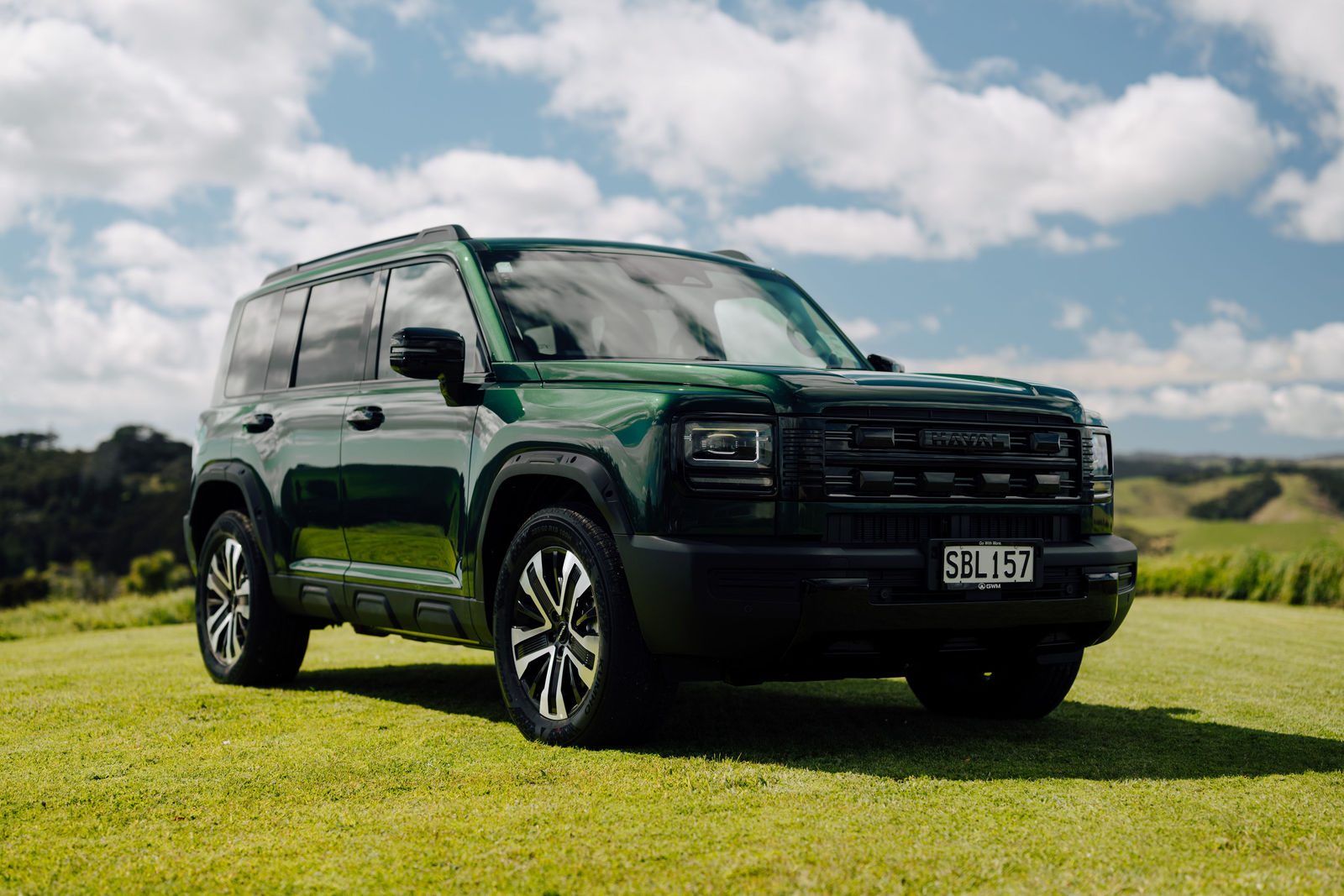
Both Vanta models come well equipped. Standard kit includes a 360-degree camera with transparent view, a panoramic sunroof, wireless phone charging, over-the-air updates and a 9-inch head-up display. You also get heated and ventilated front seats, a heated steering wheel, a memory driver’s seat, ambient lighting and a 10-speaker stereo. There are five paint colours, including Emerald Green and Mystic Grey matte, and buyers who choose Velvet Black or Emerald Green can also order an apricot interior.
Inside
The first thing I noticed was how high the dashboard sits. The H7 is a tall, box-like vehicle, and at regular height you feel as though you’re sitting down in it until the electric seat lifts you up far enough that you no longer feel like a five-year-old driving the car.
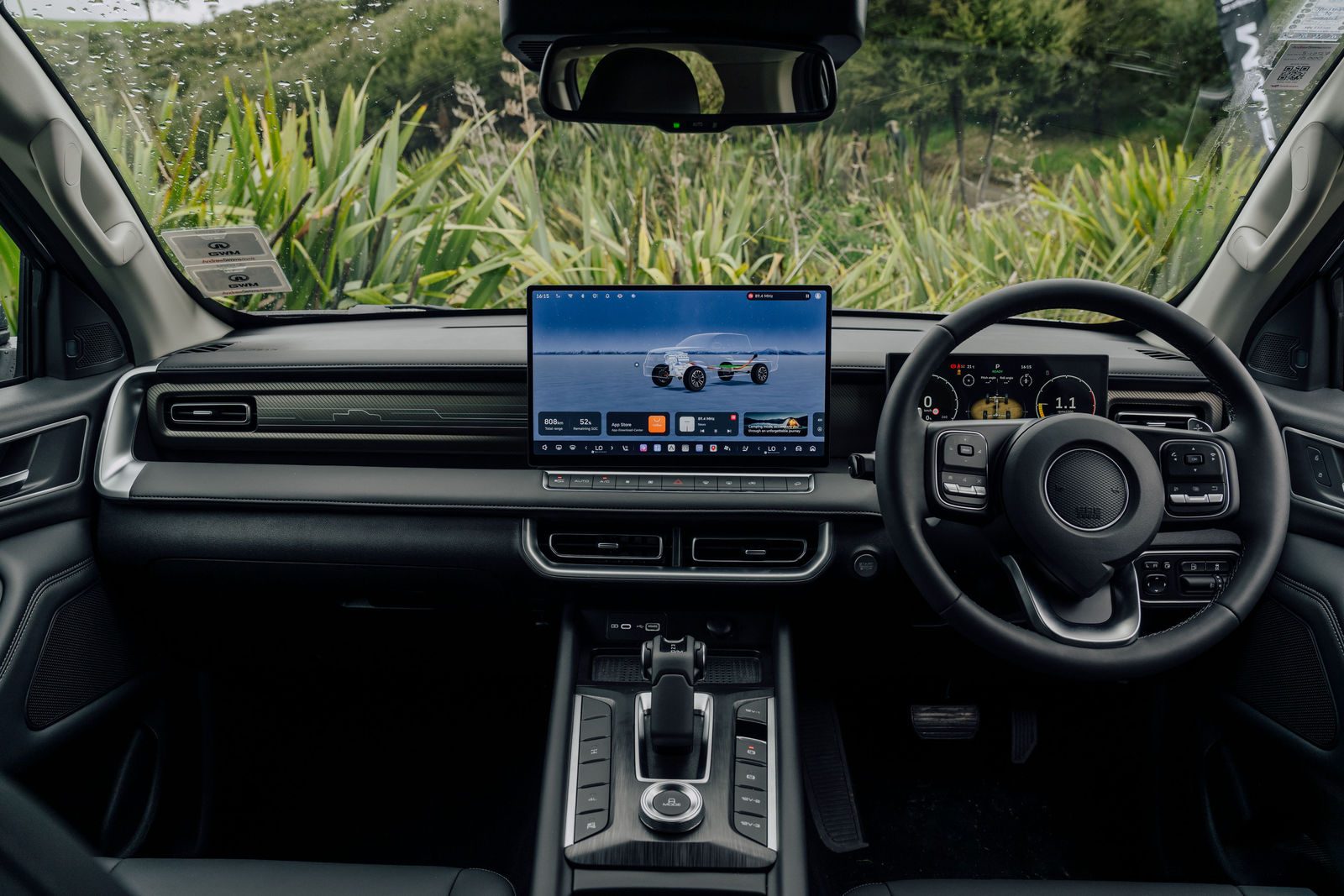
There’s plenty of room front and back, and the soft-touch finishes on the dash, console and doors make it a pleasant place to spend time. I’m not a fan of dark interiors and this one is very dark, so the apricot option is the one I’d go for, because I’m not dead inside just yet.
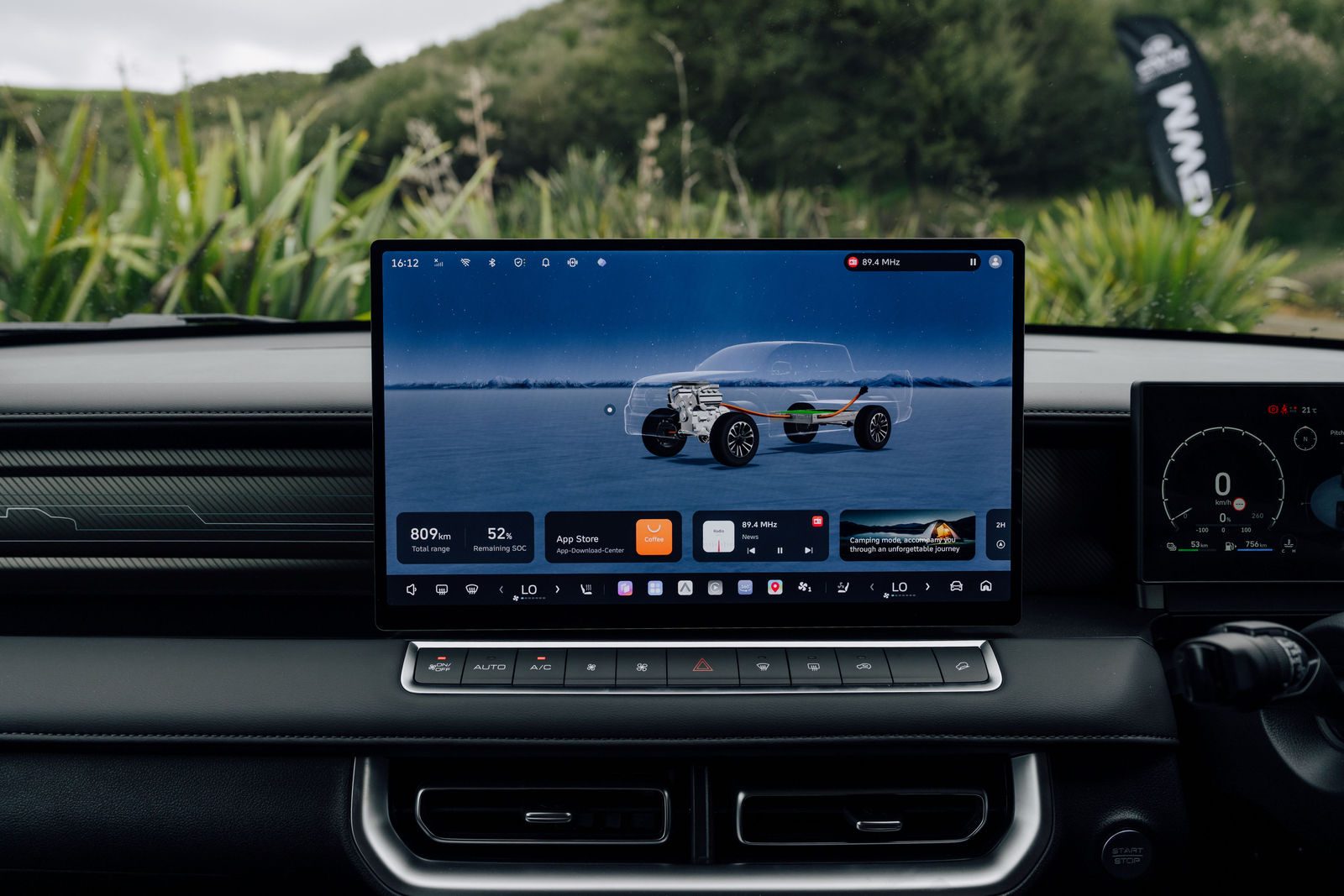
Wireless Apple CarPlay and Android Auto, heated seats and big screens have become normal at this price, and the H7 is no exception.
The side-hinged tailgate isn’t ideal in a tight car park, but it swings wide enough to make bulky items easy to load. Behind it is a 586-litre boot with a little extra space under the floor and a mains power socket right at the opening, so you can run appliances without bringing extra gear. With the plug-in’s battery behind that socket, the H7 makes a handy camping companion.
On the road
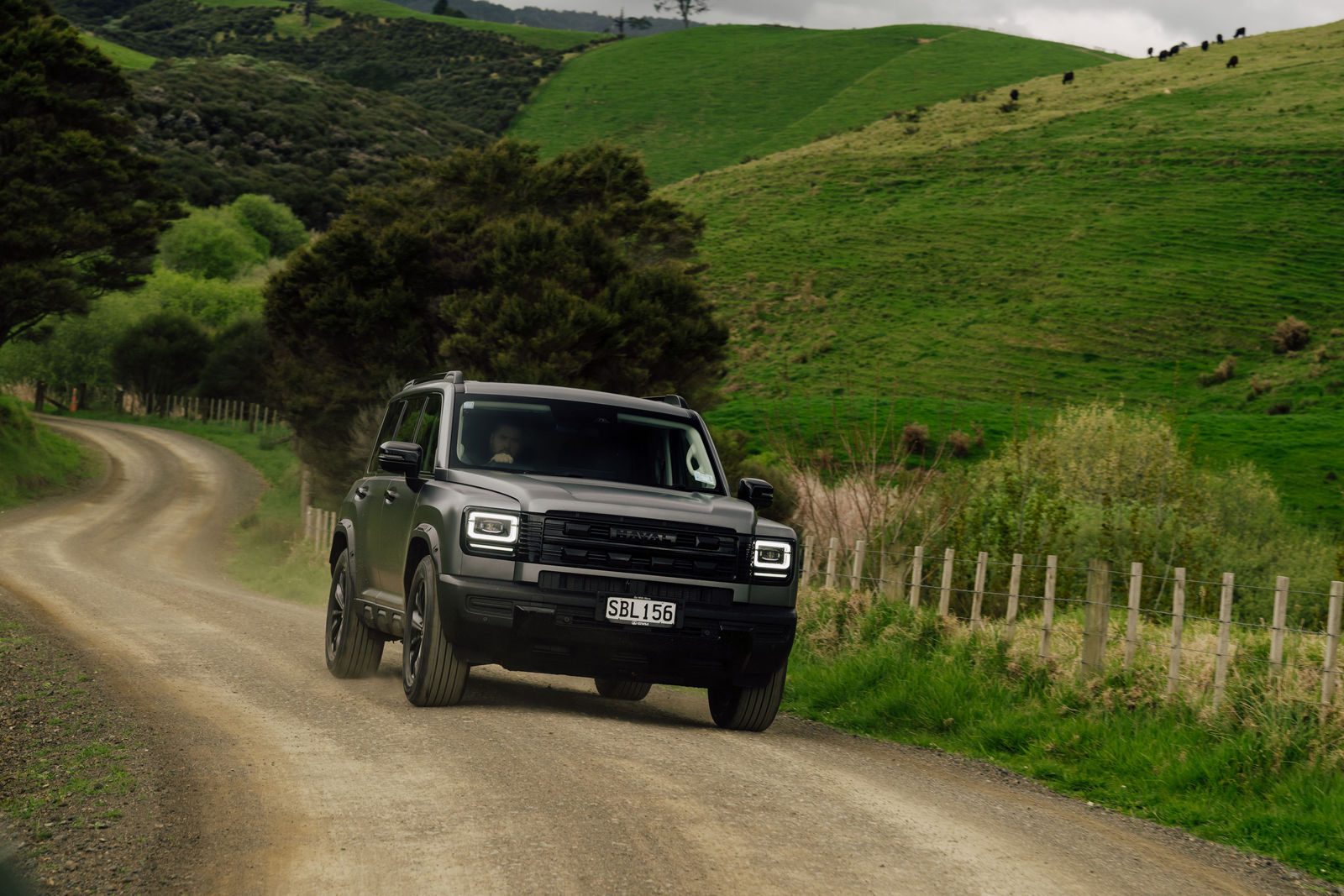
The PHEV is quick once it’s moving, though it can take a moment to gather itself when you ask for full power from a standstill, such as pulling briskly out of a driveway. The pause comes while the drivetrain brings in the petrol engine, and you soon learn to allow for it. The HEV’s power delivery felt more predictable, but the plug-in is still the one I’d choose given how uncertain fuel supply feels right now.
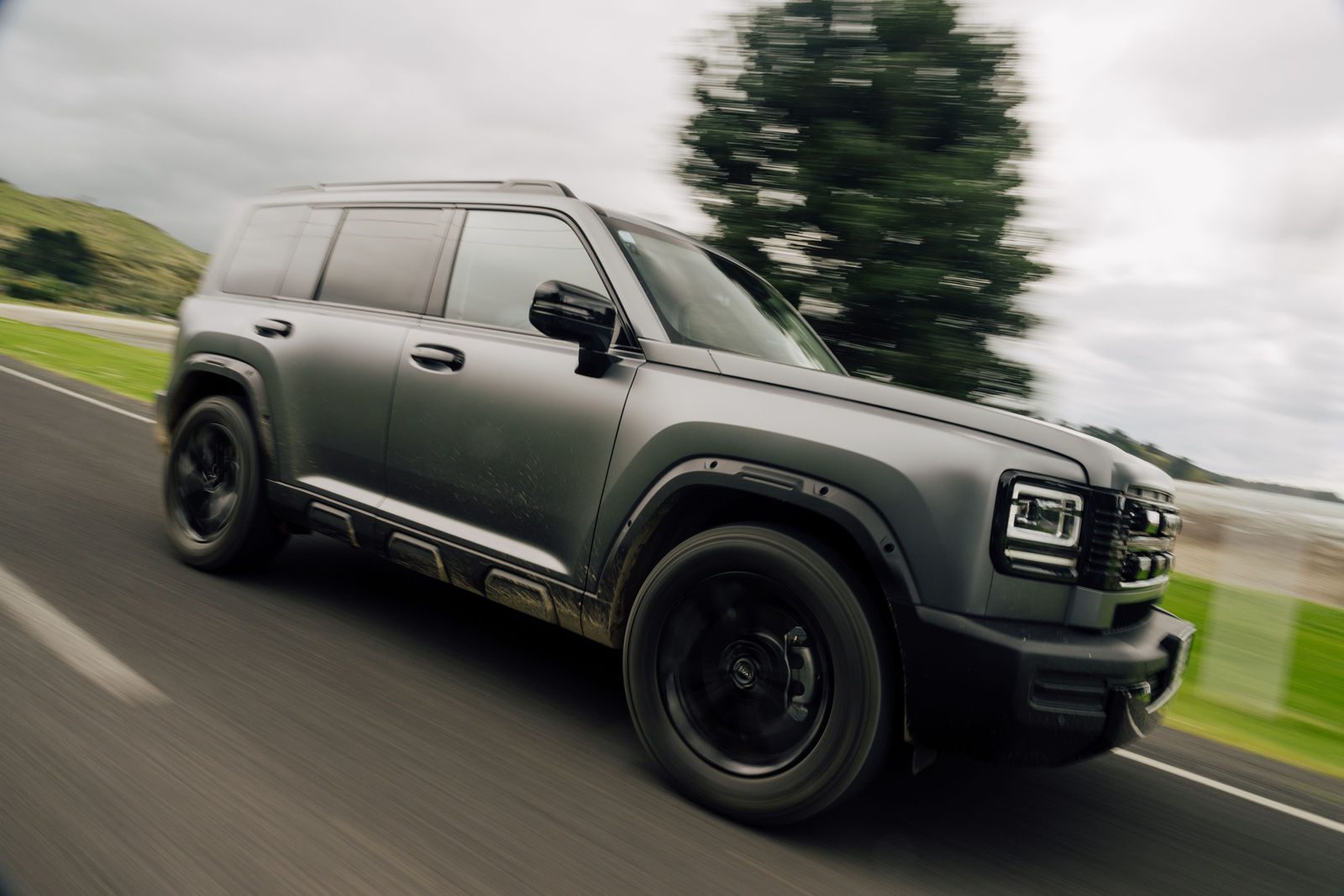
Both are quiet and settled on the open road. GWM has used 36 sound insulation and absorption materials along with double-laminated acoustic glass in the windscreen and front doors, and it shows.
Off road
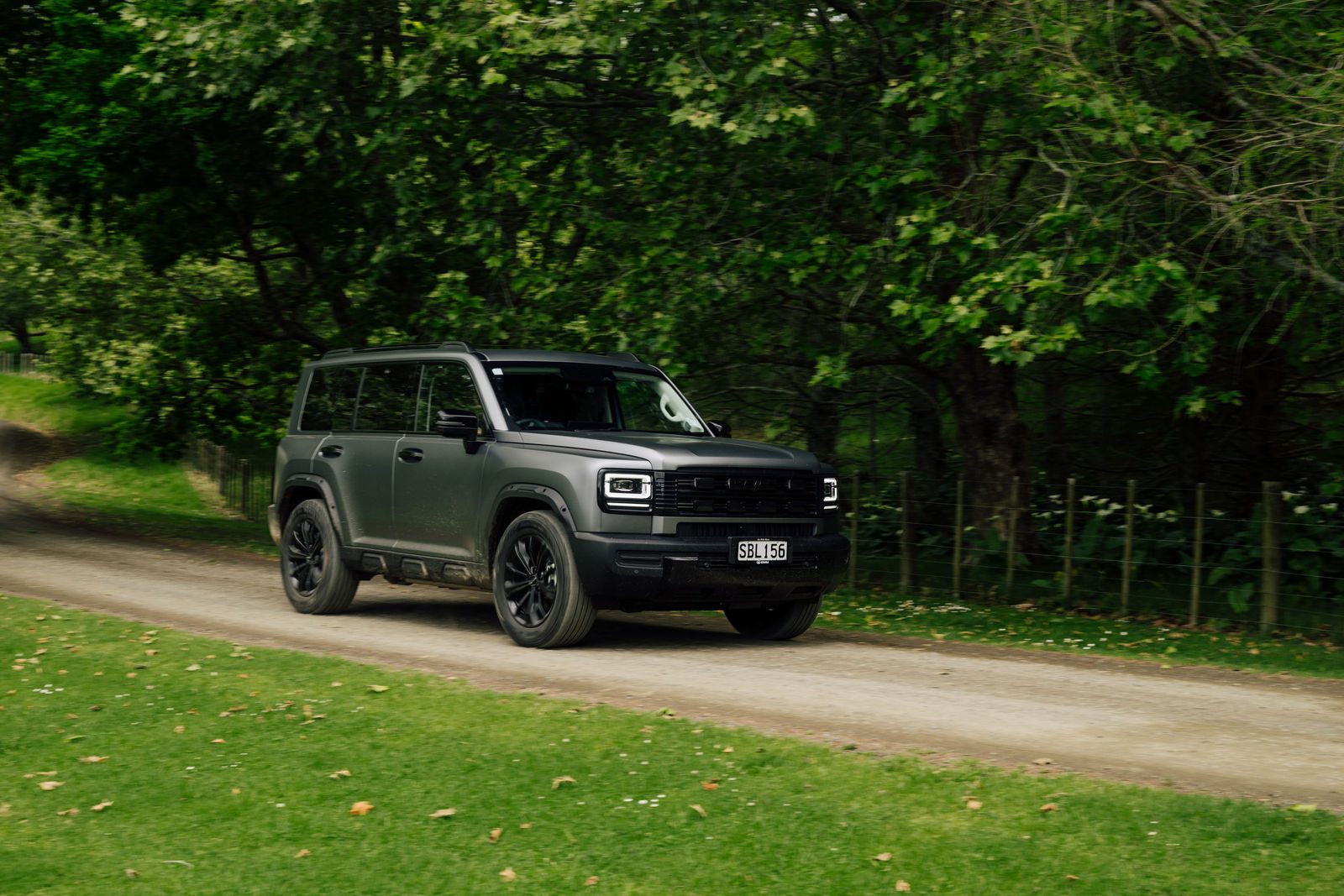
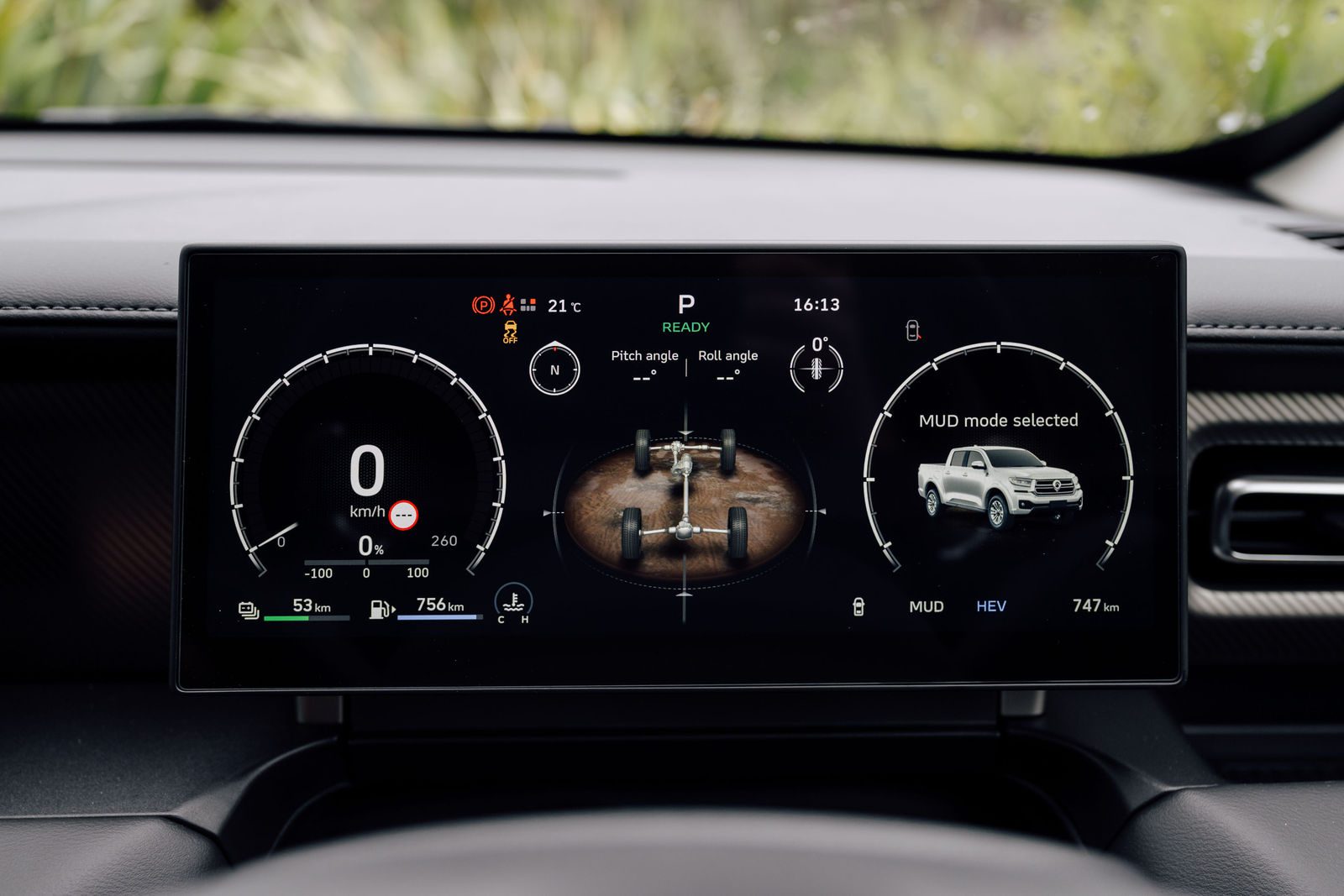
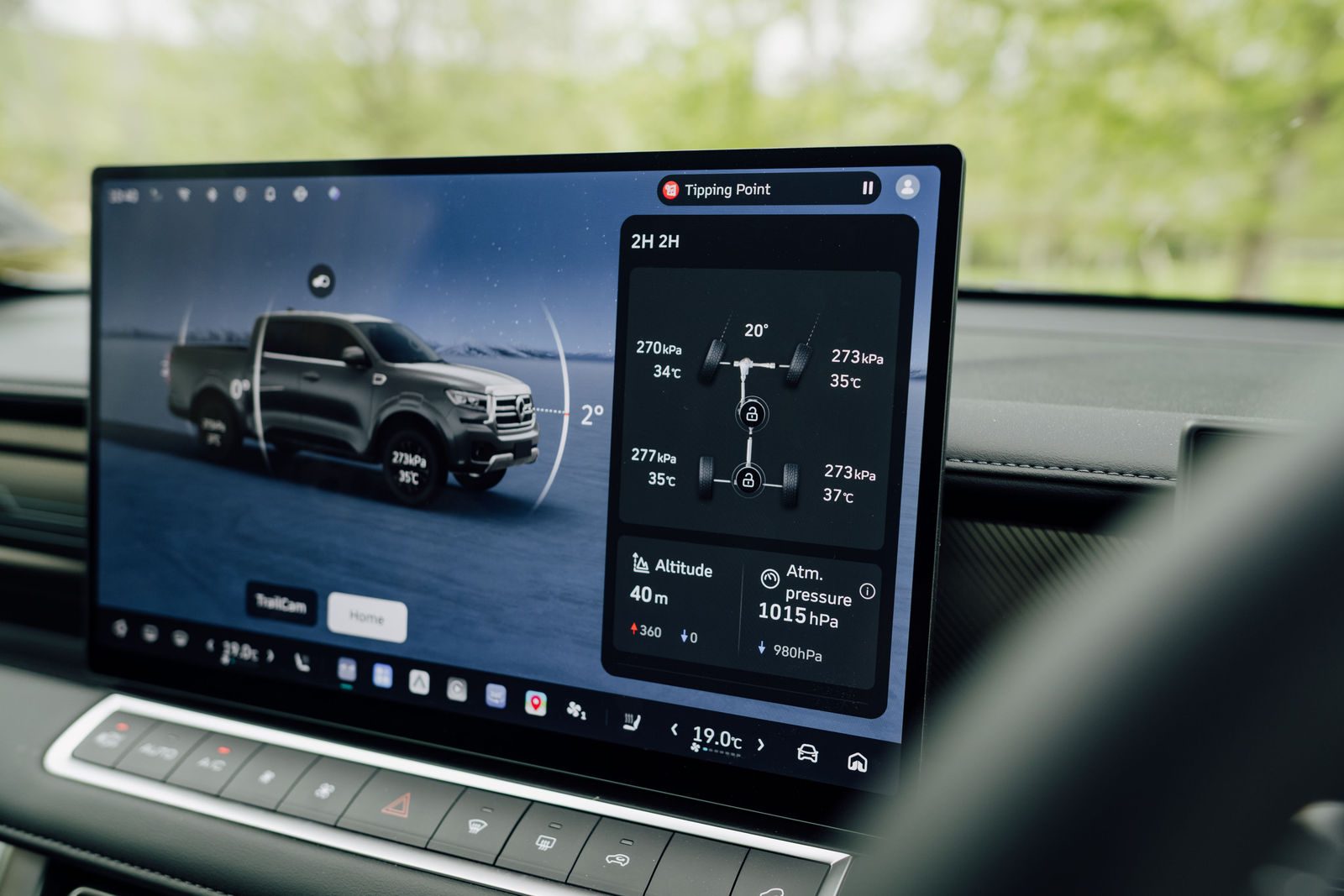
GWM is convinced the H7 is more capable off road than the typical medium SUV, and it has the hardware to support the claim. There are eight drive modes, from Eco, Normal and Sport for the road to AWD, Snow, Sand and Mud for rougher going, plus a dedicated towing mode. Selecting an off-road mode switches the driver display to show pitch and roll angles.
The rear differential lock has its own physical button. Once engaged, the rear motor sends maximum torque to the rear wheels, and the lock releases itself above 40km/h. Ground clearance is 210mm and wading depth 580mm, with approach, departure and breakover angles of 25, 32 and 20 degrees.
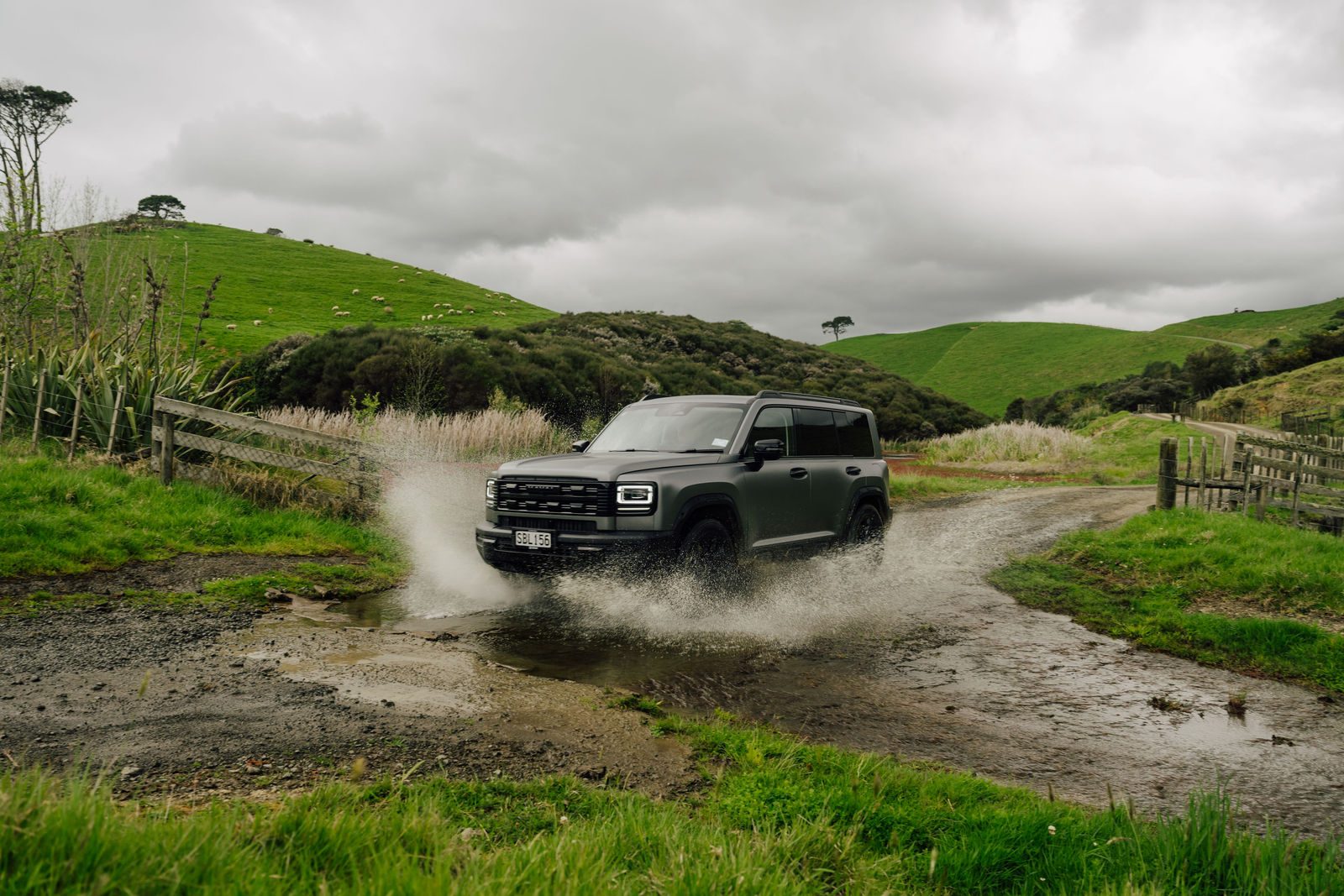
Our launch drive kept the H7 on the tarmac, but Tito, a member of a four-wheel drive club in Australia, showed footage of the PHEV climbing a steep, loose training track he has driven many times. It was on standard highway tyres at road pressures, in Mud mode, with the diff lock left off.
“Those off-road buttons aren’t just for looks. They actually do something,” he says.
Tito concedes the Tank 300 has more ground clearance and better approach angles, but says the H7 should be judged against medium SUVs such as the RAV4, Forester, X-Trail and Outlander. Braked towing capacity is 1500kg.
How it stacks up
On the maker’s comparison figures, the PHEV’s 320kW and 33.7kWh battery compare with 185kW and 22.7kWh for the $83.5k Mitsubishi Outlander PHEV Exceed, and 272kW and 22.7kWh for the $67.9k Toyota RAV4 GR Sport PHEV, which take 30 and 28 minutes respectively for a 30 to 80% DC charge. Electric range is harder to compare, because the H7’s 137km is a WLTP figure while the Outlander’s 103km and the RAV4’s 144km are quoted on the older NEDC cycle. None of those rivals offers a locking rear diff, a full-size spare or a heated steering wheel.
The $55,990 Vanta HEV’s 182kW puts it well ahead of the $62.9k Toyota RAV4 Adventure hybrid (143kW), the $59.9k Subaru Forester Sport (145kW) and the $58.9k Nissan X-Trail Ti-L e-Power (130kW).
Medium SUVs account for 28% of the New Zealand market, more than any other segment, and the H7 joins the H6 ($42,990-$53,990) and H6 GT ($58,990) in GWM’s line-up there. The brand ranked third here in September for both hybrid and plug-in hybrid sales, and Tito says the Jolion Max, a larger Ora and a new H6 are on the way.
GWM sold 4043 vehicles in New Zealand in the first three quarters of 2026, its best result here, and expects to have nearly 30,000 owners on the road by year end.
“We are not here for the short-term success,” says Andrew Gao, GWM managing director for Australia and New Zealand, who adds that the brand will keep offering diesel, hybrid, plug-in hybrid and electric powertrains.
Verdict
The H7 PHEV offers a big battery, strong performance, plenty of tech and space for the money, along with genuine off-road hardware that its mainstream rivals don’t have. Its response from a standstill could be a little more polished, but it’s a minor point in a car that is otherwise easy to live with.
Specifications: Haval H7
- Price: Vanta PHEV AWD $61,990; Vanta HEV AWD $55,990; Lux HEV 2WD $49,990 (due December) (plus ORC)
- Engine: 1.5-litre turbo petrol, front and rear electric motors
- Transmission: 4-speed DHT
- Power/torque: PHEV 320kW/670Nm; HEV 182kW/670Nm
- 0-100km/h: PHEV 4.9sec; HEV 7.0sec
- Battery: PHEV 33.7kWh LFP; HEV 1.53kWh ternary lithium
- EV range (WLTP): 137km (PHEV)
- Combined range (WLTP): 844km (PHEV)
- Charging: DC 30-80% 18.6min (CCS2); 6.6kW portable AC charger included; 6kW V2L (PHEV)
- Fuel use (WLTP): PHEV 0.9L/100km; HEV 7.0L/100km
- Fuel tank: 55L
- L/W/H: 4800/1950/1843mm
- Wheelbase: 2738mm
- Kerb weight: PHEV 2150kg; HEV 1970kg
- Ground clearance: 210mm
- Wading depth: 580mm
- Boot: 586L
- Towing (braked): 1500kg
- Safety: 7 airbags, Level 2 driver assistance; ANCAP not yet rated

Join the conversation