
Formula 2030 concept gives first look at the Polestar 2 due here in 2027
Polestar's Formula 2030 concept previews the next Polestar 2, expected in New Zealand around September or October 2027 with up to 500kW.
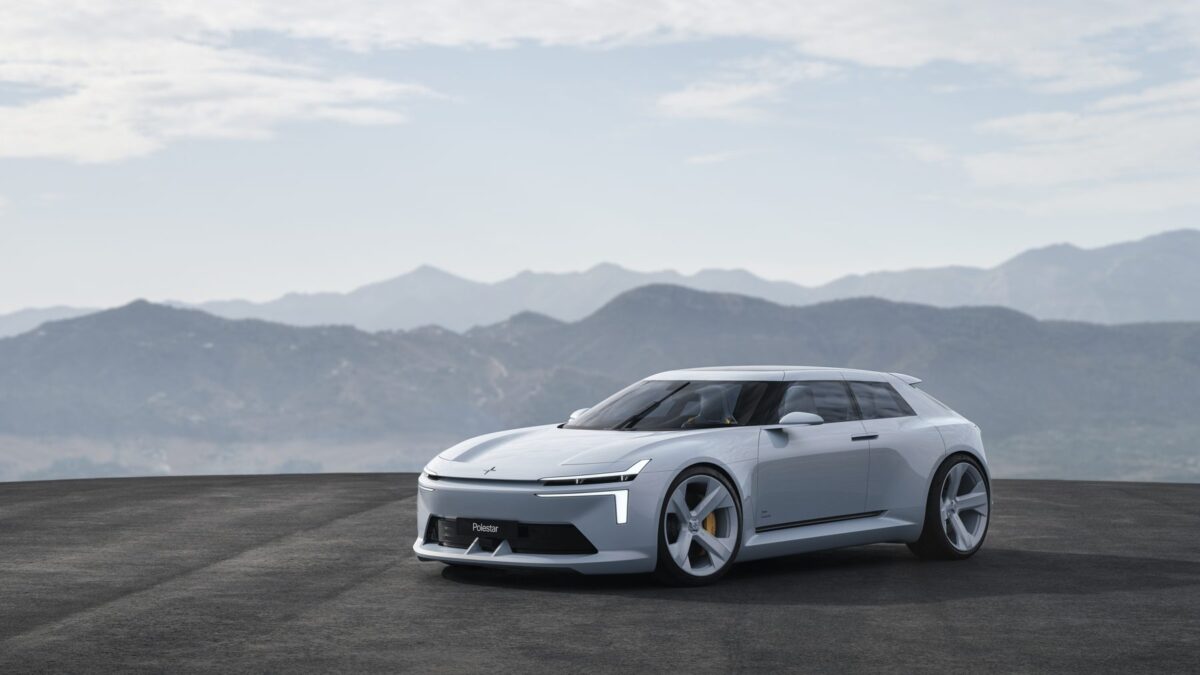
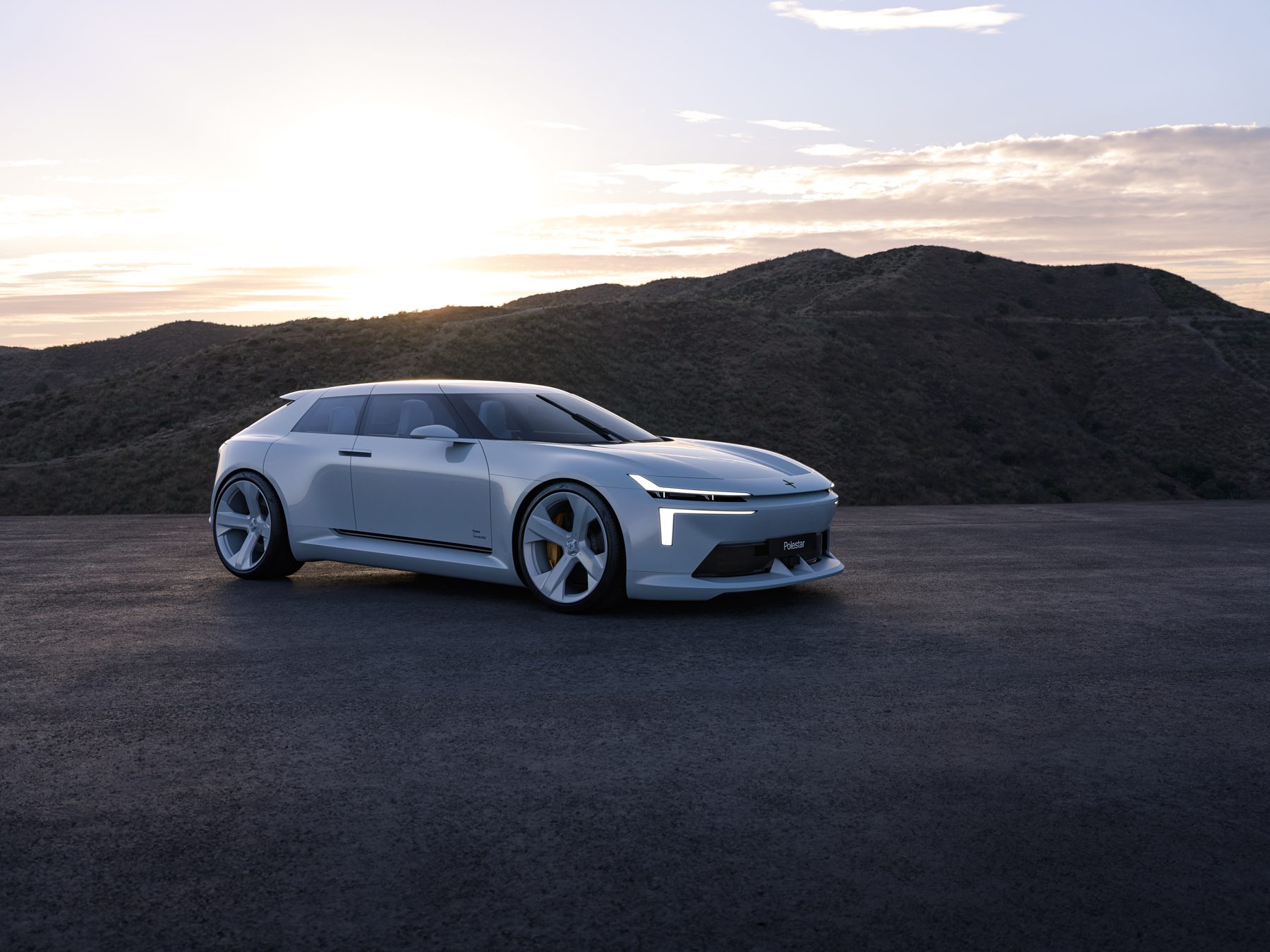
Polestar has shown its Formula 2030 concept in full, and parts of its design are confirmed for the next Polestar 2, which is likely to reach New Zealand around September or October 2027. They will also appear on the Polestar 7 compact SUV.
We first reported on the concept in September, when Polestar released a single darkened image. It is the first show car designed under head of design Philipp Römers, and made its global debut on Polestar’s international media drive for the Polestar 4 SUV.
“Design should always reflect the values and mission of a brand and that is exactly what we did with Polestar Formula 2030 concept. It is a physical embodiment of how we apply Polestar’s core values of design, performance and sustainability to the next production cars,” says Römers.
Exterior
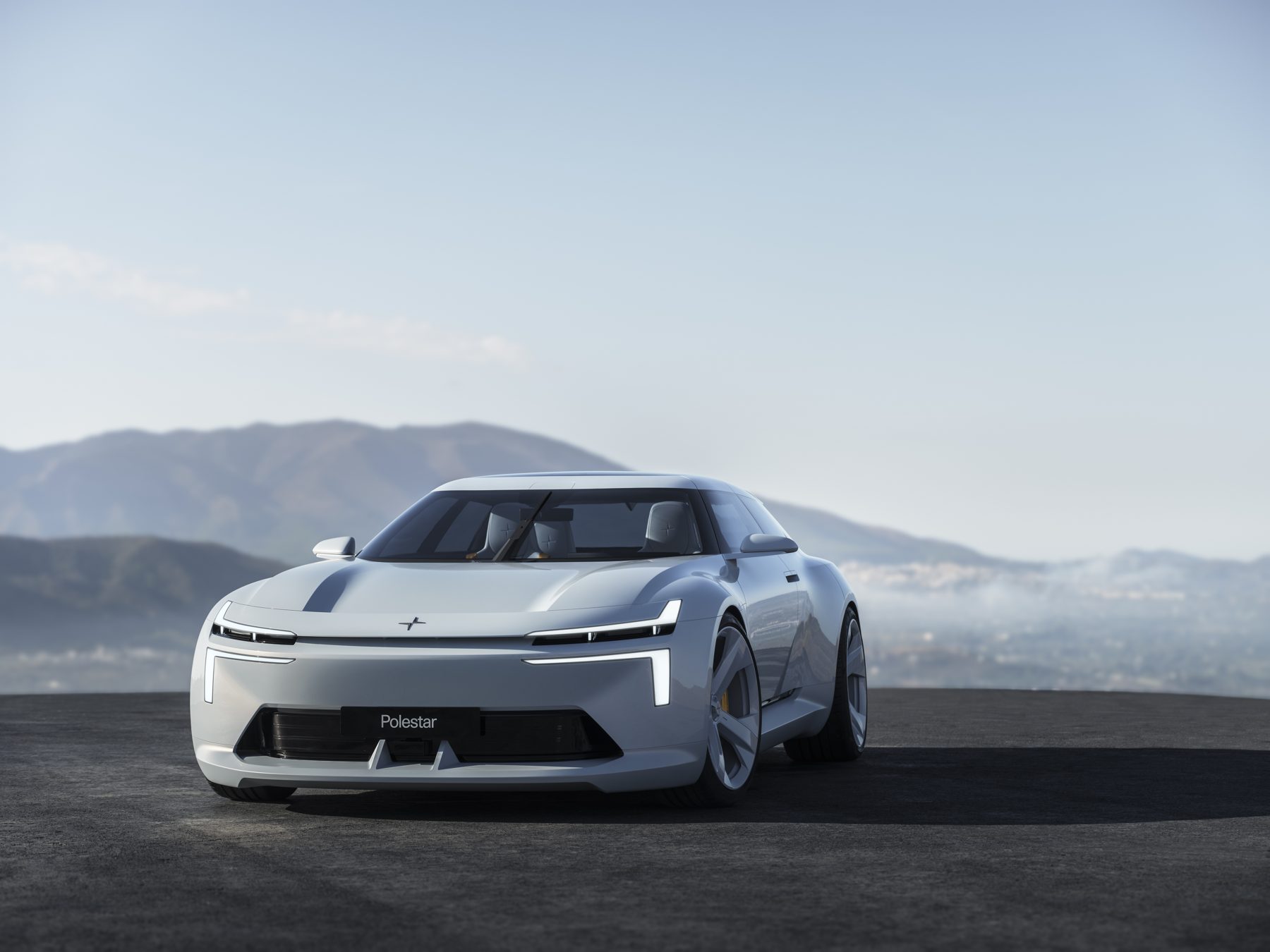
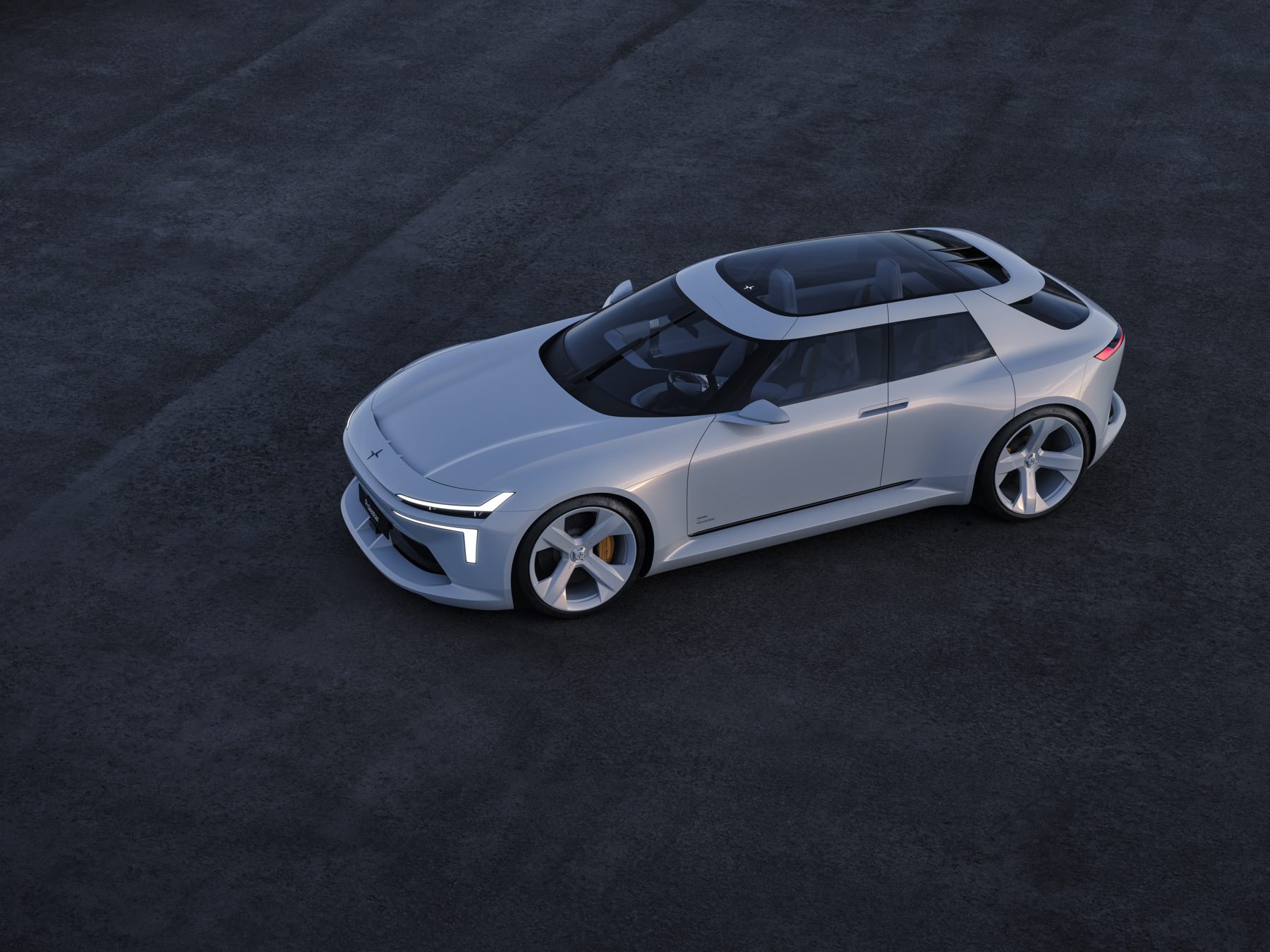
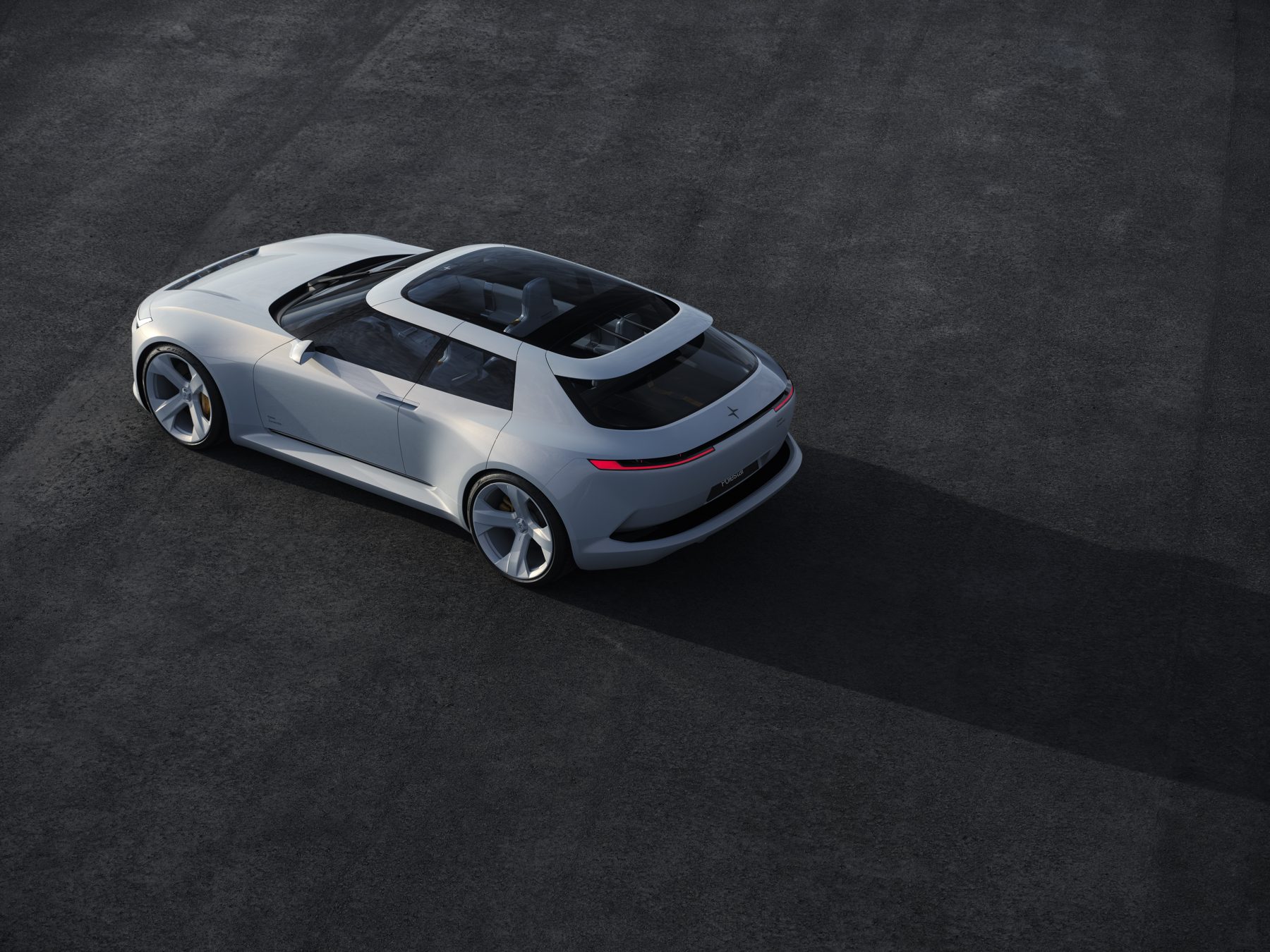
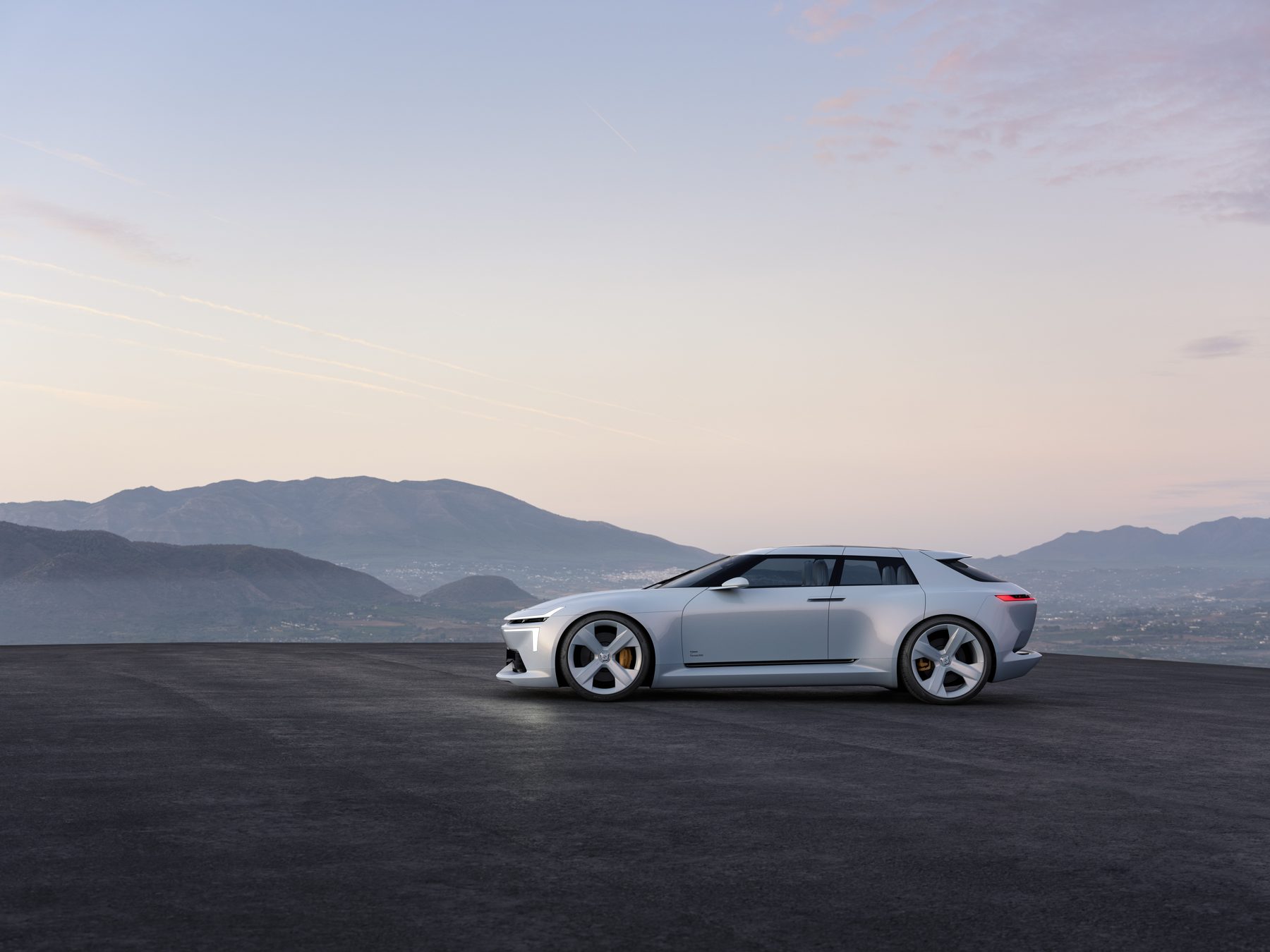
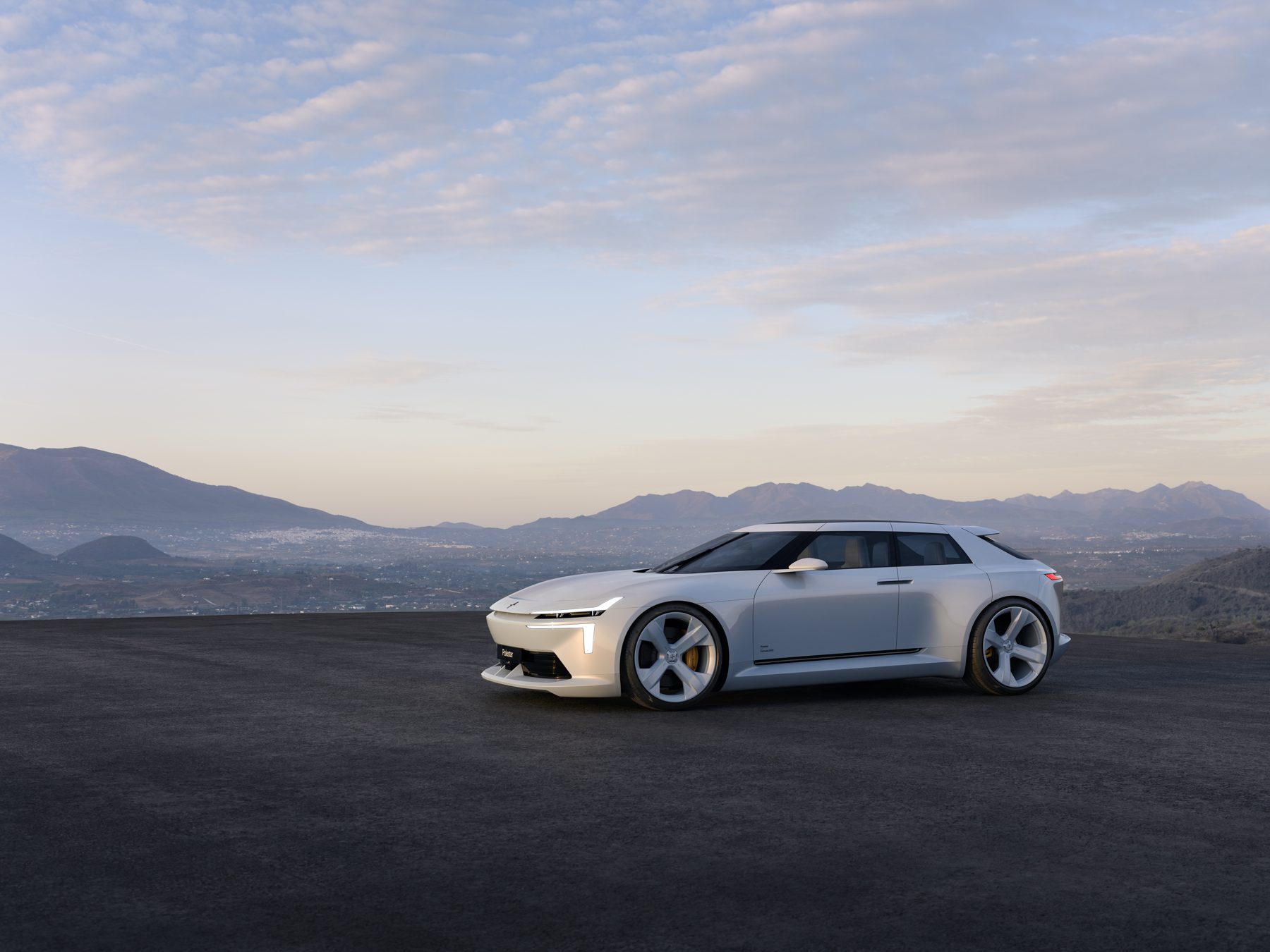
The four-door, four-seat concept is 4680mm long, 2021mm wide and 1350mm tall on a 2780mm wheelbase, making it lower than the Polestar 5 grand tourer and placing it between the coming Polestar 2 and Polestar 7 in size. It sits on 22-inch centre-lock wheels.
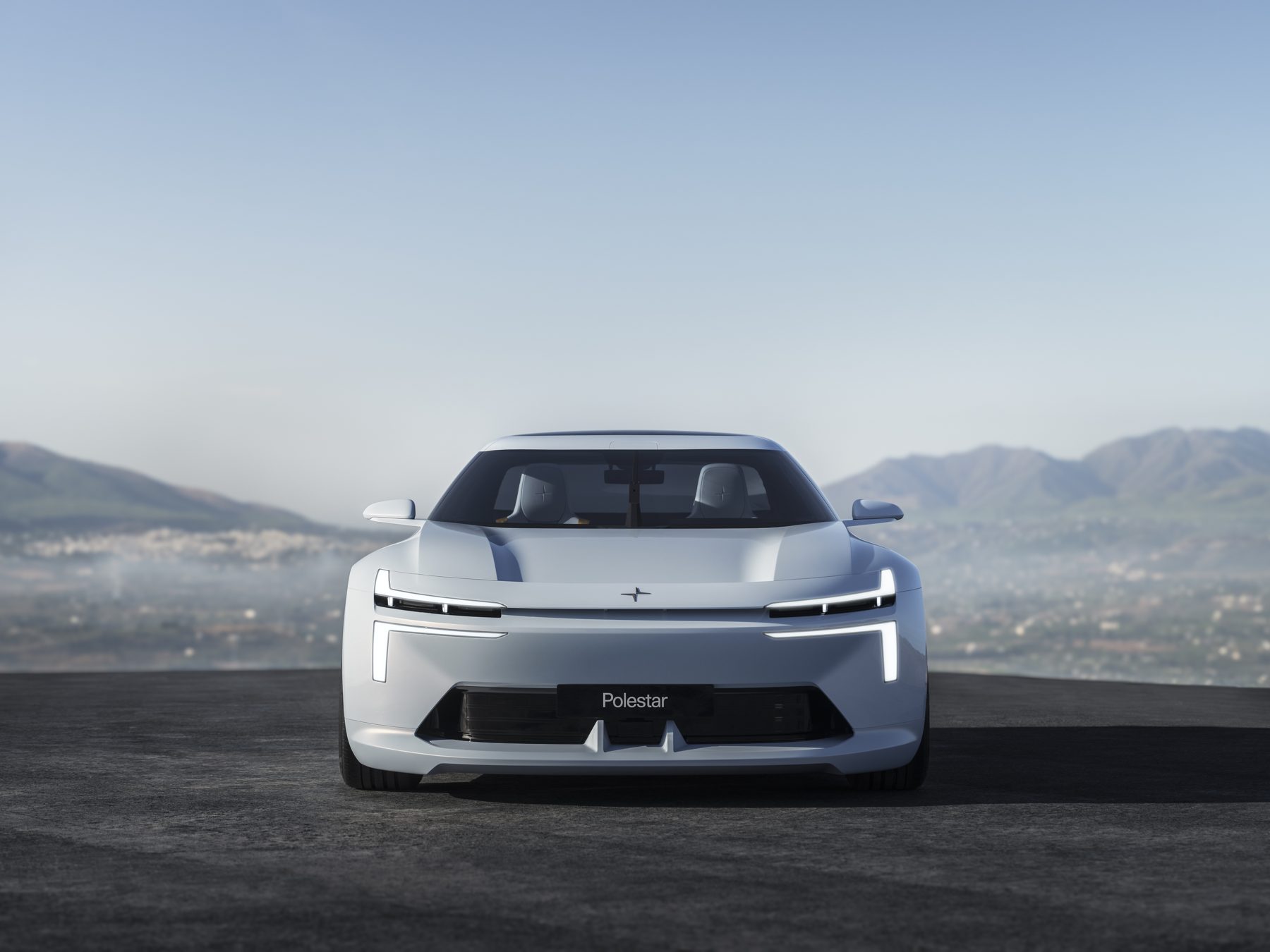
The Dual Blade headlights, integrated into a front aero wing, preview the face of the next Polestar 2. A single vertical windscreen wiper runs down a central spine, and a LiDAR unit stays hidden under an aerodynamic shroud until the car’s autonomous mode is used.
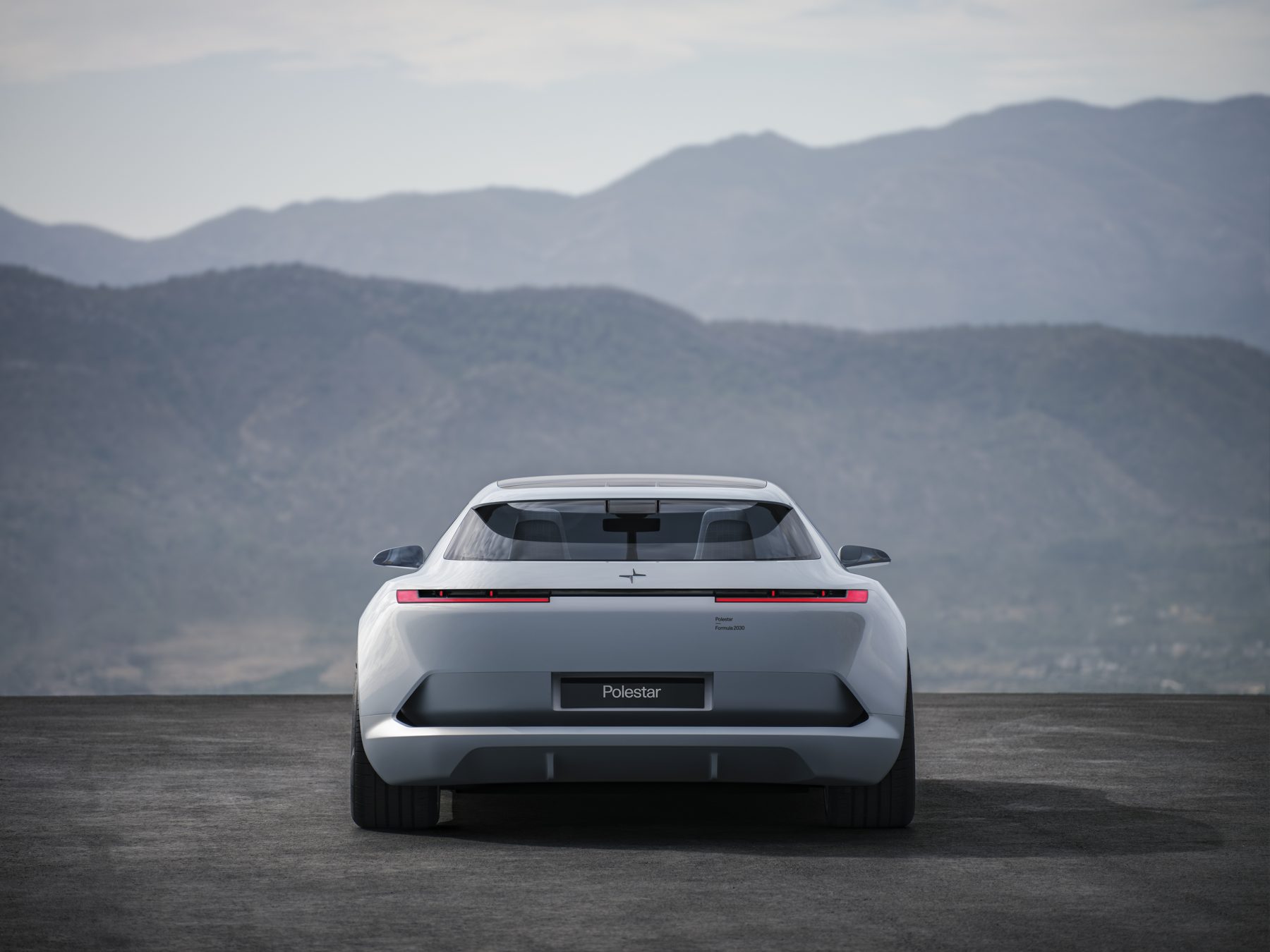
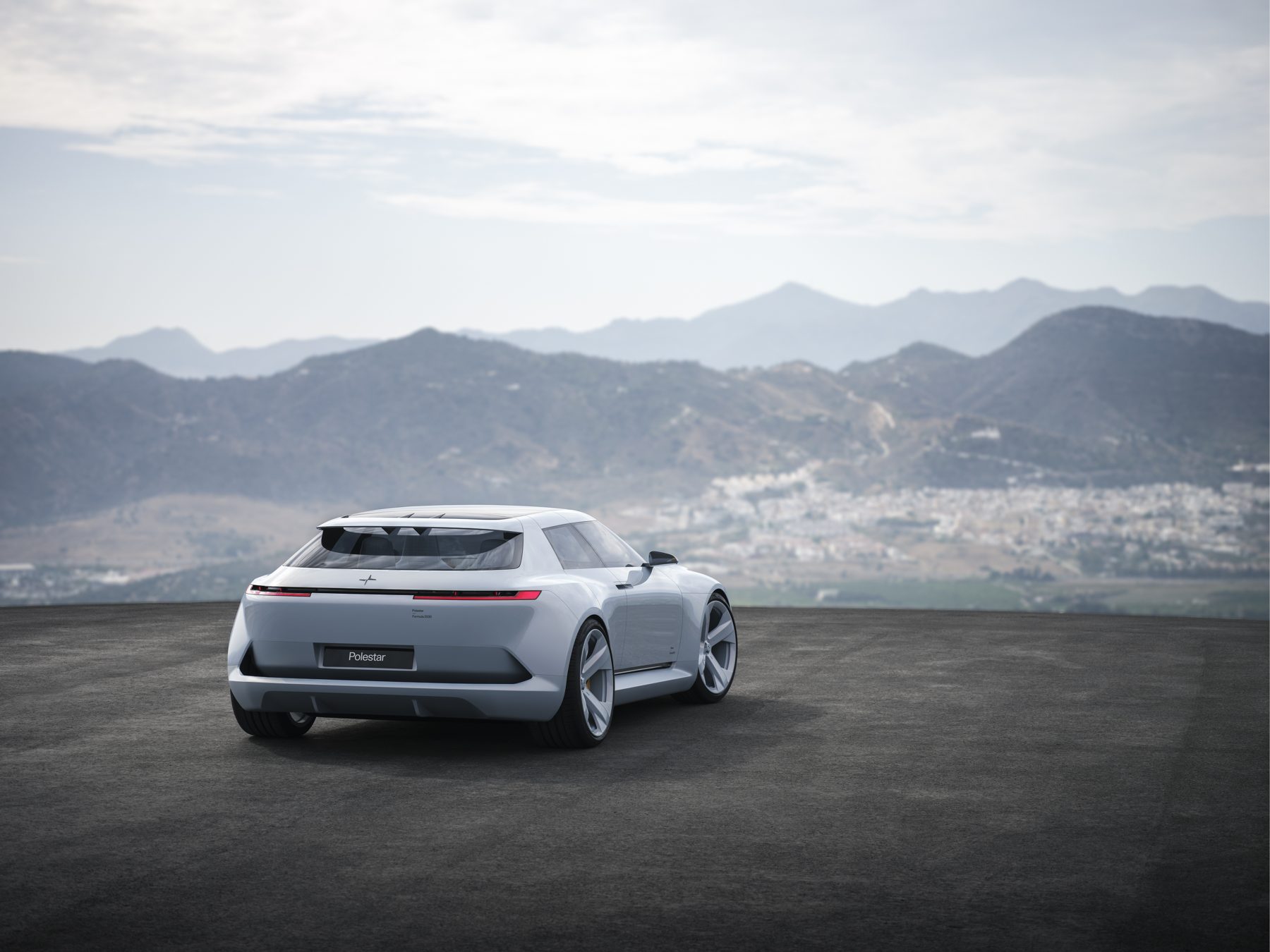
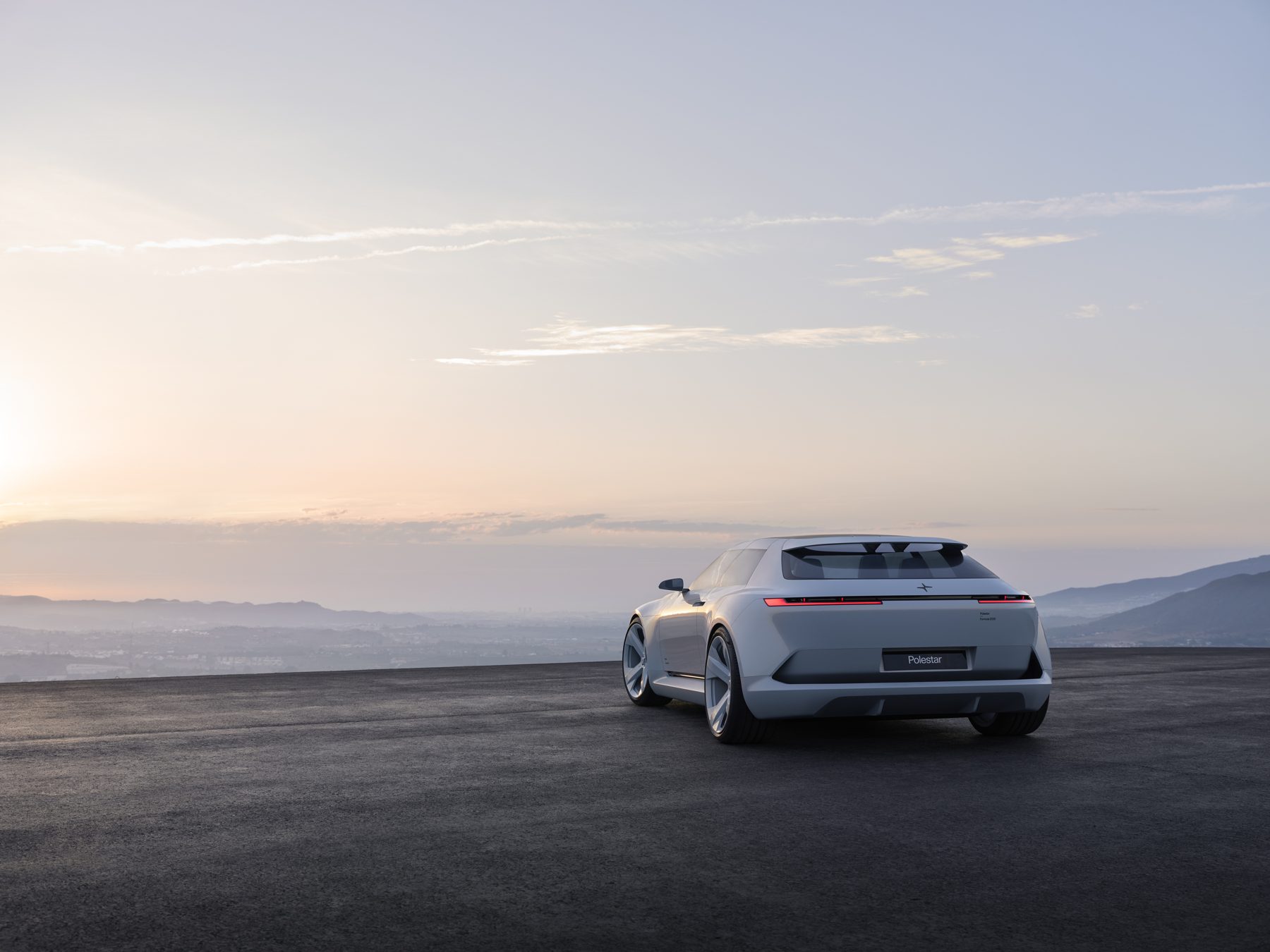
At the rear, Polestar has dropped the full-width light bar used on its current cars in favour of Single Blade tail lights, which it says will reach series production. The concept also has a centrally mounted rear wing and a rear diffuser.
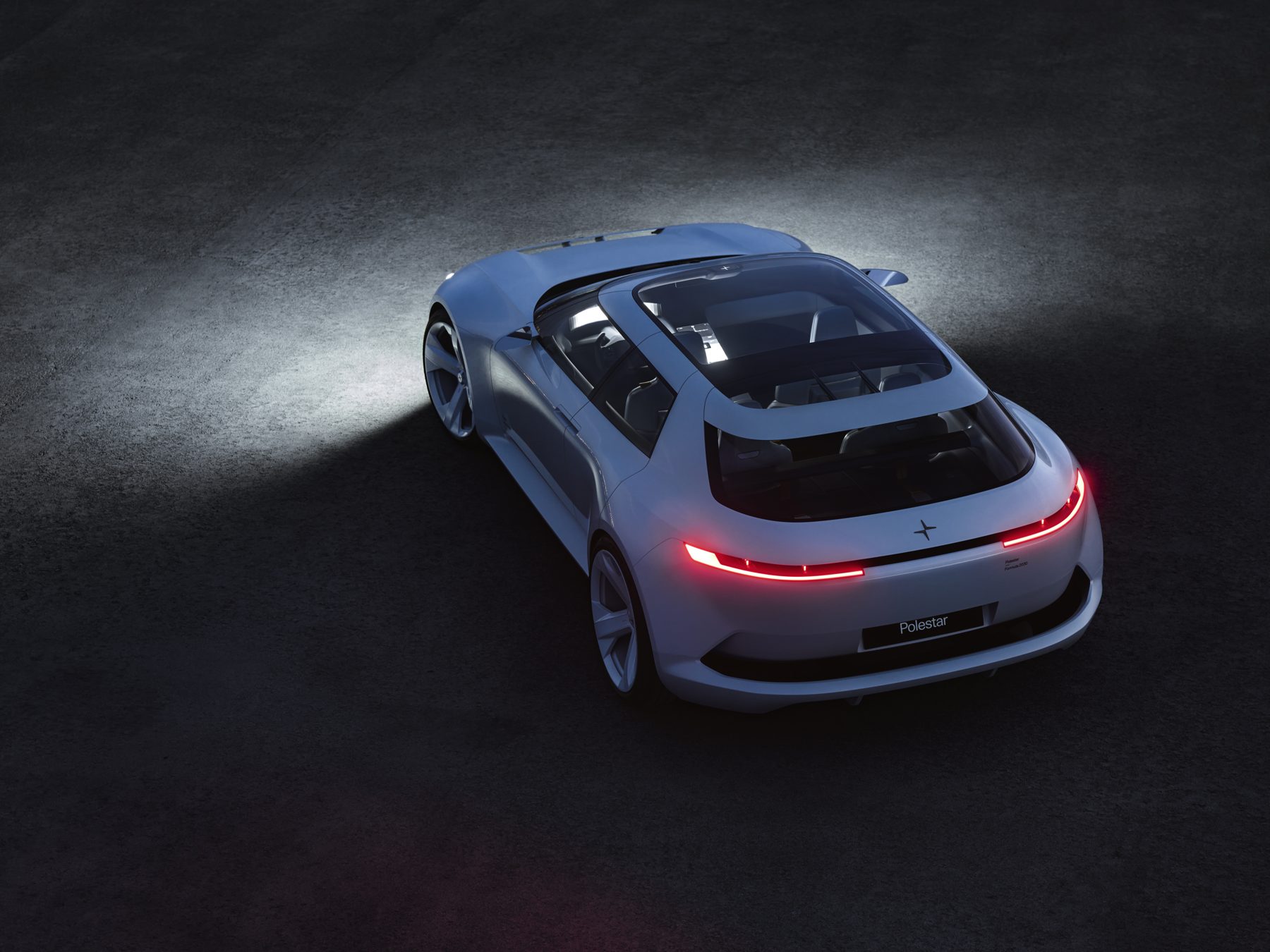
“We wanted to evolve, while respecting, the core design values we demonstrated with previous models that define the Polestar brand in such a recognisable way,” says head of exterior design Nahum Escobedo. “But we’ve pushed perceptions, preconceptions and the expected as well, with our considered choices in form language, amplification of the performance topic and new detailing like the Single Blade rear lights.”
Interior
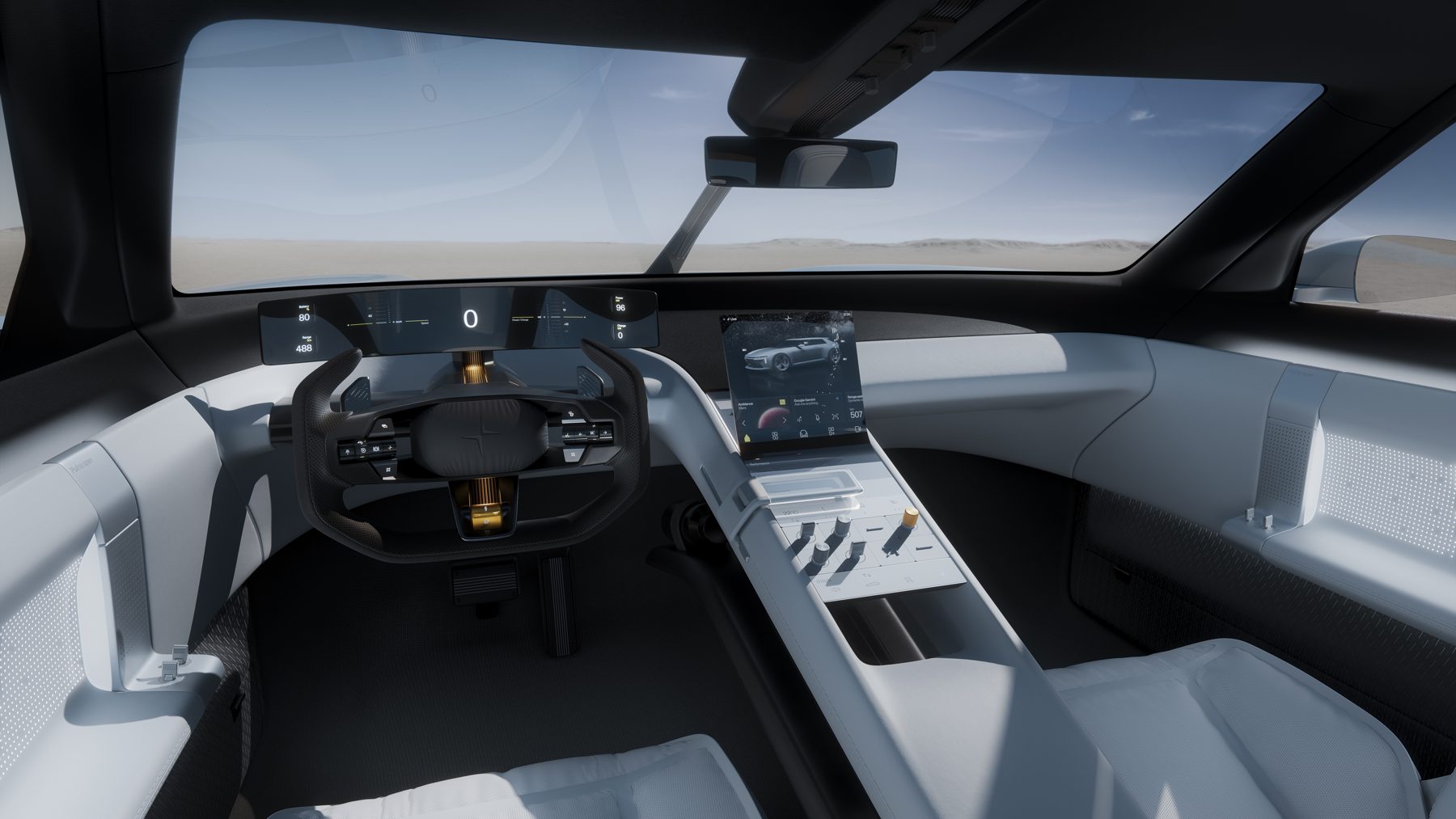
Inside, a 20-inch curved driver display Polestar calls HyperDIM is mounted to the steering column, with a 12.2-inch centre screen set into the centre tunnel. The drive mode selector slides through Performance, Normal and Autonomous modes, and the cabin moves with it. In Autonomous mode the centre screen stands upright and the seat and steering wheel move apart. In Performance mode the screen lowers flush and the wheel and driver display move closer to the driver.
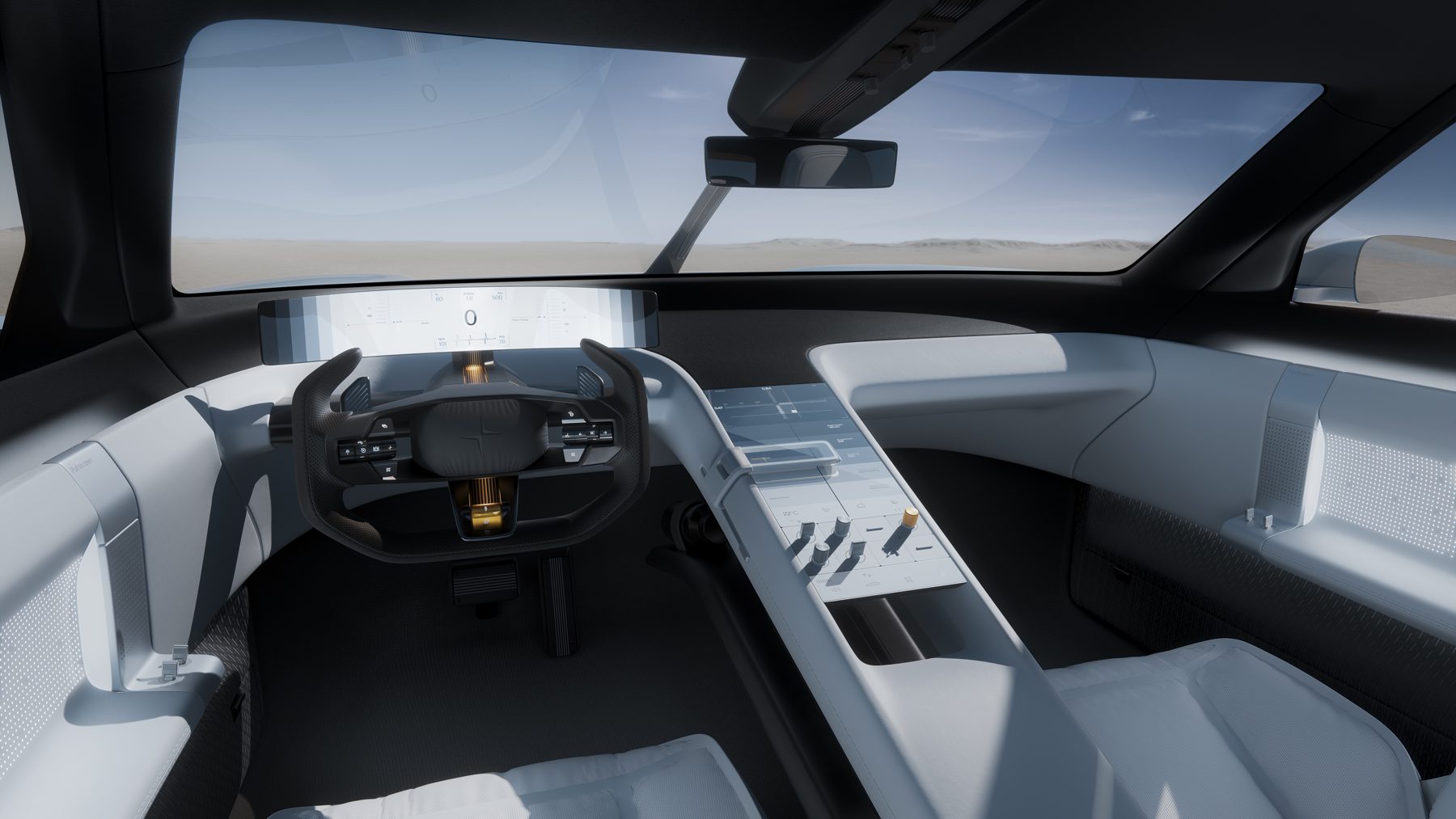
Below the centre screen are eight physical controls that can be configured as rocker switches or rotary dials and programmed for different functions.
“With the Formula 2030 concept we’re reducing the unnecessary, distilling the experience to its very essence and enhancing the elements that truly matter to set the tonality and ambition for future Polestar interiors. As a performance brand, we see a renewed focus on the driver, and so we re-balance the digital and physical. We introduce physical buttons and controls, and we believe we have achieved a tactile harmony suited for our premium positioning,” says head of interior design Juan Pablo Bernal.
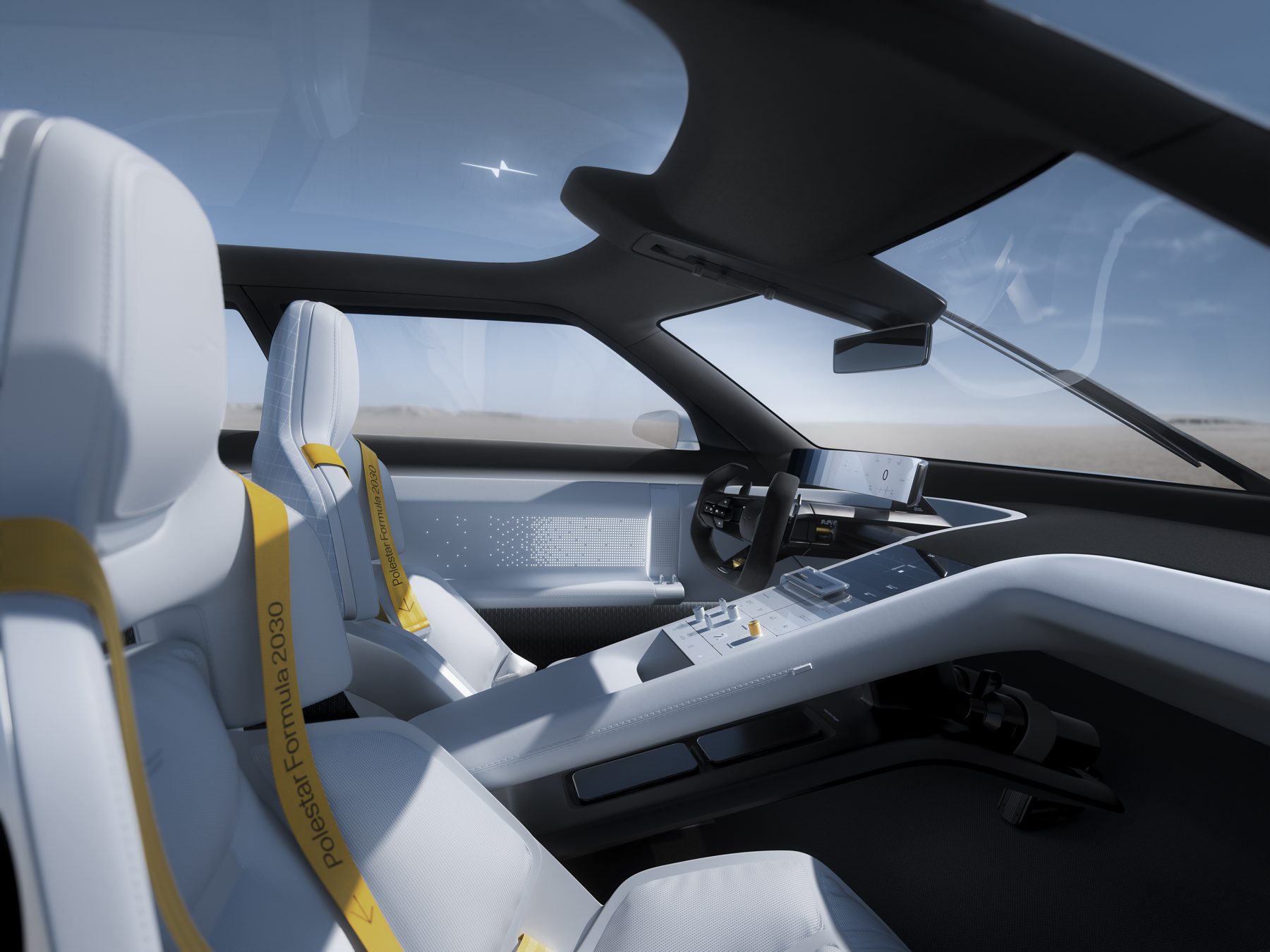
The four seats have air-inflatable bolsters and cushions, and Polestar says its opposing doors give pillarless access to the cabin. Google Gemini is built in, as on Polestar’s production cars.
Materials
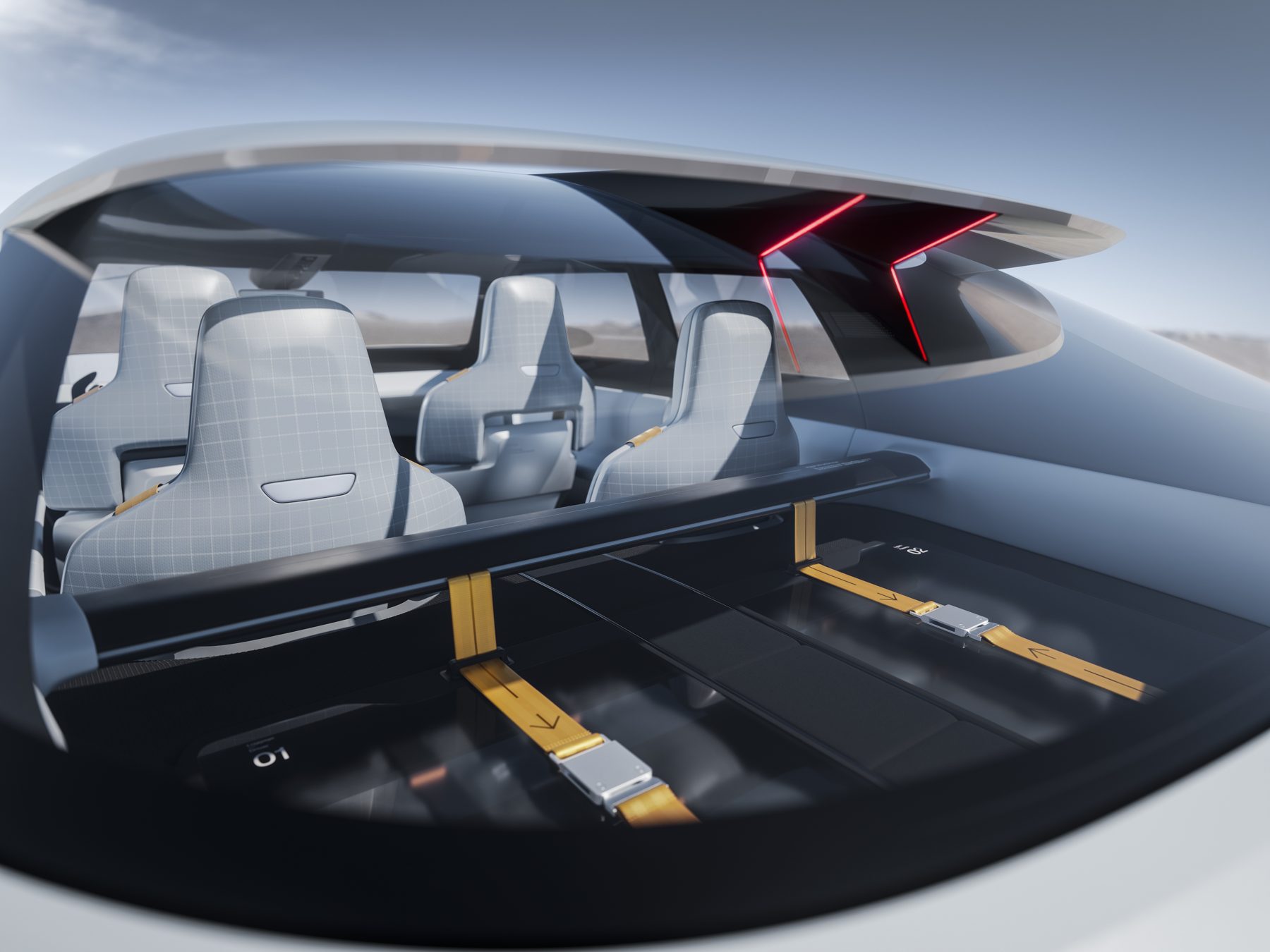
The concept is painted in a concept-only colour called Nitrogen, which also covers the wheels, cladding, splitter and diffuser. Swedish Gold, Polestar’s performance colour, is used on the Brembo calipers, valve caps, seatbelts and interior details.
The seat backs are made from a flax and bio-based polypropylene composite, the door interiors are designed to be fully recyclable, and exposed structural parts such as the seat frames and cross-car beam use low-emission galvanised steel. The boot exposes Bcomp natural fibre composite and the Öhlins dampers, and the front boot has room for race helmets and a fire extinguisher.
What it means for New Zealand
At the Polestar 4 SUV launch, Bruce Fowler, who has just handed over the running of Polestar in New Zealand, said the new Polestar 2 is expected to launch globally at the end of the first quarter of 2027 or early in the second. New Zealand will get cars as quickly as other markets, if not sooner.
Final specifications are not confirmed, but Fowler expects at least an 800V architecture and a top version of around 500kW. He says the car will be positioned as the best-driving and best-performing in its segment, and priced between the Tesla Model 3 and BMW’s new i3 electric sedan.
About 190,000 examples of the current Polestar 2 have been sold globally, and just under 2,000 in New Zealand.
“We’ve got a lot of owners whose cars are coming up to five years old and they haven’t changed. This is going to be an opportunity for that installed customer base to move up to something that will be the right product at the right price,” says Fowler.
The Polestar 7 follows a year later. Fowler describes it as a C-segment SUV, larger than the Volvo EX30 and smaller than the EX60, around the size of the EX40.
“The focus of this car again is to make it the best performing, best driving compact SUV, bar none,” he says.

Join the conversation