
Acceleration of EVs may bring an oil glut
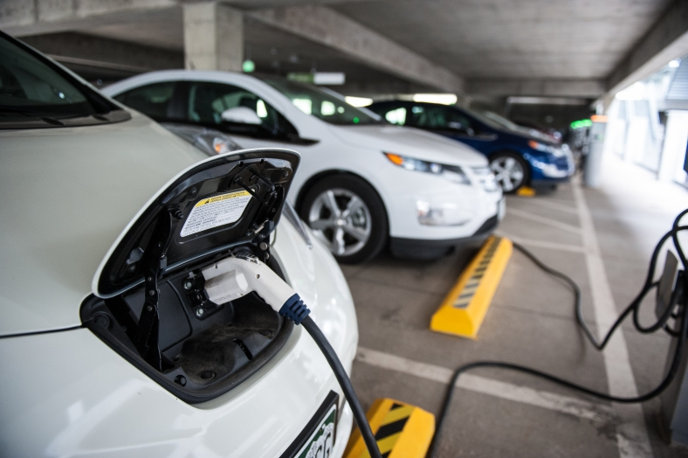
Increasing demand for electric vehicles (EVs) could lead to an oil glut and power supply pressure.
Financial information services leader Fitch Group says it isn’t taking a red pen to oil ratings yet, but warns that an “investor death spiral” looms for companies failing to evolve, The Telegraph reports.
Bloomberg New Energy Finance pinpoints 2028 as the year of reckoning. Over half of global oil demand is driven by transport, vehicles playing a big part. The analysis says EVs could begin cutting into oil demand by 2023, gradually building a fresh supply glut of two million barrels of oil daily, on a par with the overhang that triggered the 2014 collapse.
Barclays Capital places D-Day only a couple of years later, at 2030. But Barclays disagrees that it’s a mortal threat. It estimates a hit of 1.8 million barrels a day, but says that even with this impact demand could increase given the growth in the overall number of cars on the road. By the end of the next decade, demand may be 600,000 barrels of oil a day higher than now.
BP and Royal Dutch Shell will be hoping the investment bank is right. Both oil majors have played down the potential of EVs in dampening demand in the past, but cracks are showing in their defiance, The Telegraph says.
Earlier this year, BP made a radical revision to its expectations. Its annual World Energy Outlook doubled the number of EVs it expects on the world’s roads in 2035 from 57 million in last year’s report to 100 million. This boom could cut projected oil demand from vehicles from almost 25 million barrels of oil a day to 15 million barrels. A quicker than expected uptake of new, energy efficient technologies, due to government support, could spur an even greater shift away from oil use. But BP’s chief economist Spencer Dale says he still wouldn’t call the trend a “game changer” for the industry.
Meanwhile, Shell assured angry activist investors at its AGM last week that it would investigate a scenario in which EVs make up the majority of cars by 2030 – and may adjust its strategy accordingly.
Already it is rolling out “smart” electric charge points at its forecourts in its home markets of the United Kingdom and the Netherlands to ease the expected strain on the grid.
Think tank Green Alliance says an EV boom could have devastating consequences for the UK’s electricity grids, unless costly upgrades move ahead now. As few as six closely located vehicles, charging together in the early evening, could lead to local “brownouts”. Part of the answer is to hand more power to the smaller, local distribution network operators.
The national system operator says it is up to the challenge. It believes EVs could drive electricity demand up by 13-21 terawatt hours (TWh) by 2033 and at peak times create a net drain of 1 gigawatt, the equivalent of two large power plants.


Join the conversation