
All-electric Mini starts production 2019
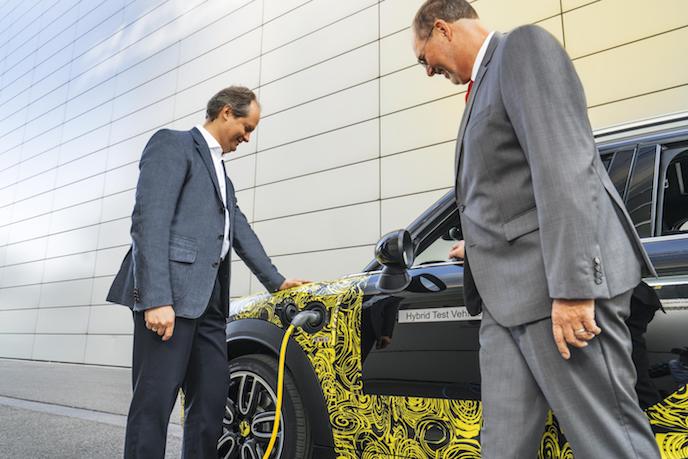
A fully electric Mini three-door variant will begin production in 2019, BMW Group says.
It’s part of the group’s strategy to use flexible vehicle architecture to enable electrification of all its brands and models. These can range from full electric or plug-in hybrids in addition to combustion engine options, all of which can be built at the same time.
 The Mini’s electric drivetrain will be made in Germany and put into the car in Oxford.
BMW says additional electrified models will be brought to market in coming years and beyond 2020.
“Our adaptable production system is innovative and able to react rapidly to changing customer demand. If required, we can increase production of electric drivetrain motor components quickly and efficiently, in line with market developments,” BMW AG management board production member Oliver Zipse says.
By 2025, the BMW Group expects electrified vehicles to account for between 15%-25% of sales. However, factors such as regulation, incentives and charging infrastructure will play a major role in determining the scale of electrification from market to market, it says.
The group produces electrified models at ten plants worldwide.
Since 2013, all its electric drivetrain’s main elements have come from its Landshut and Dingolfing plants, the latter additionally building plug-in hybrid versions of the BMW 5 Series and the BMW 7 Series. More than 100 million euros has been invested in electro-mobility at Dingolfing.
The latest electrified model is the Mini Cooper S E Countryman ALL4, a plug-in hybrid version of the Mini Countryman.
In 2018, the BMW i8 Roadster will become the newest member of the BMW i family. The all-electric BMW X3 has been announced for 2020, and the BMW iNEXT is due in 2021.
The company has committed to selling 100,000 electrified vehicles in 2017 and aims to have 200,000 electrified vehicles on the roads by the end of the year.

Join the conversation