
Analysis shows 14,000 fewer EVs sold after subsidy scrapped
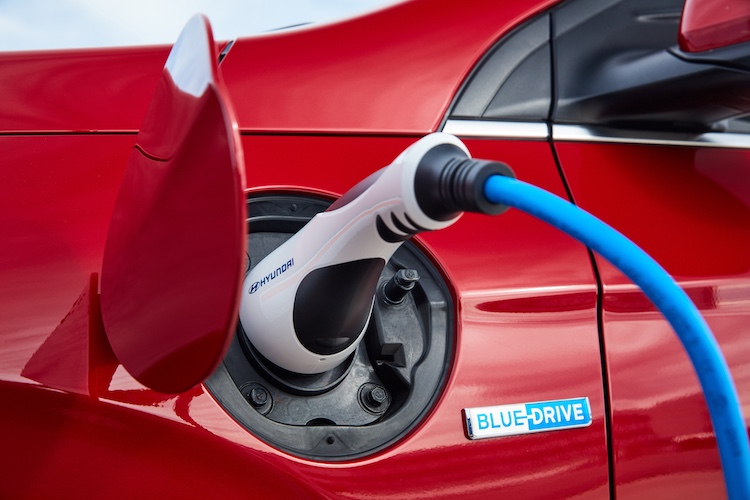
Analysis compiled by Newsroom senior political reporter Mark Daalder shows that 14,000 fewer electric vehicles were sold in the last 12 months due to the scrappage of the Clean Car Discount subsidy.
Transport Minister Simeon Brown told Newsroom the collapse in EV sales was due to people bringing their clean car purchases forward to the final months of 2023 to take advantage of the discount.
“Ultimately, as price points continue to reduce and as the economy improves – you’ve got to acknowledge that it’s been a very tough year for the economy and car sales across the board have been down – we know those EV sales will eventually increase again,” Brown said.
The Newsroom analysis applied the proportion of EVs sold in the 12 months before the election to overall car sales since.
According to Newsroom, this accounts for changes in overall vehicle sales but assumes that the rate of EV purchasing hasn’t increased since, so it represents a conservative assumption, according to Newsroom.
The calculation shows that if sales had followed pre-election trends, more than 38,500 EVs would have been registered between October 2023 and October 2024.
Instead, 24,500 battery electrics and plug-in hybrids have been registered in the same period, with more than half of that coming in the final three months of 2023 before the Clean Car Discount was axed.
The Newsroom analysis suggests New Zealand is 14,000 EVs short of where it would otherwise be.
It reports that New Zealand’s total battery electric and plug-in hybrid fleet consisted of 116,200 vehicles in October, meaning that scrapping the subsidies would have prevented fleet growth of about 12% in 13 months.

Join the conversation