
ANCAP to reward physical buttons over touchscreens
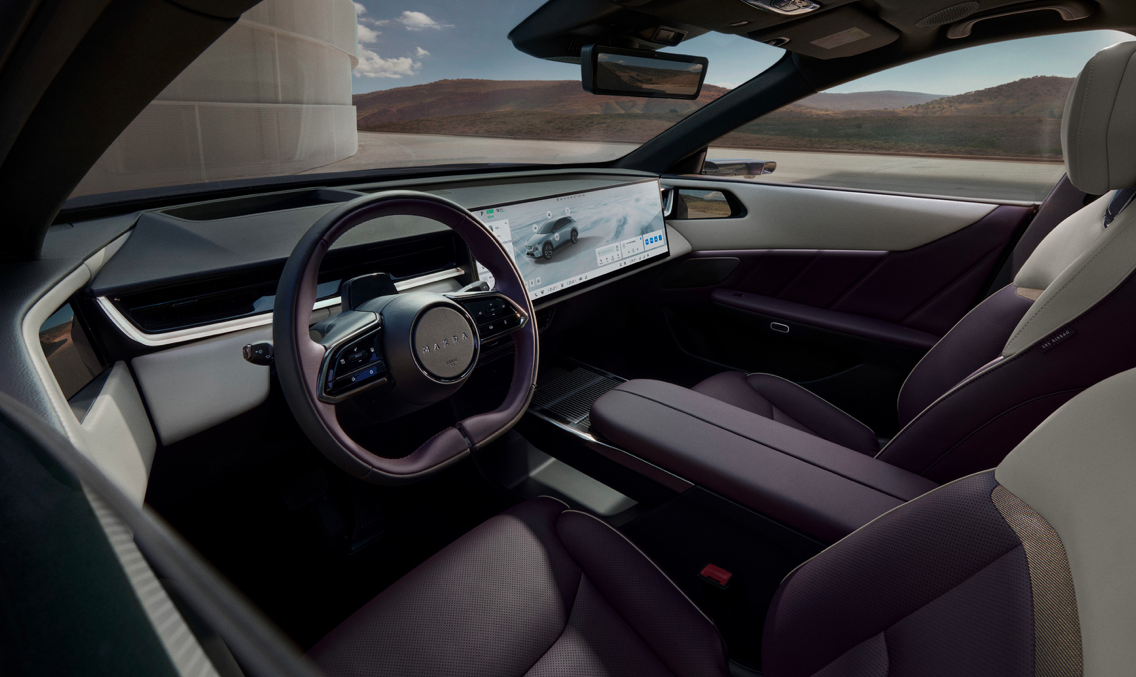
The Australasian New Car Assessment Program (ANCAP) will reward higher safety ratings to vehicles that include physical buttons for basic functions, as concerns grow about driver distraction from touchscreen-heavy dashboards.
The safety body hopes the policy change will encourage drivers to keep their eyes on the road, addressing studies showing that interacting with touchscreens extends reaction times.
AutoTalk managing editor Richard Edwards told Radio New Zealand’s Morning Report that some vehicles on the market had moved almost entirely to touchscreen controls.
“There are pretty much no physical buttons other than a few on the steering wheel, everything right down to windscreen wiper settings and the headlight settings and safety feature settings are all within the screen,” Edwards said.
“I think we’re in a period where they’re trying to find the balance as to what you can put on the screen and what you can’t.”
Edwards said studies showing extended reaction times from touchscreen interaction likely influenced ANCAP’s decision, along with feedback from consumers and media highlighting design changes that may have gone too far.
Fleet impact drives manufacturer response
The policy change carries significant weight in the Australian and New Zealand markets, where fleet buyers heavily influence vehicle sales.
“If vehicles start falling from that five-star rating, the sales will likely go down because fleets and governments and so forth are the biggest buyers of vehicles,” Edwards said.
Edwards noted strong consumer preference for five-star safety ratings, particularly for family and business use, making ANCAP’s approval crucial for market success.
The European ANCAP scheme is also examining similar rewards for physical button integration, suggesting a broader industry shift away from touchscreen-only interfaces.
Edwards said traditional European and Japanese manufacturers face development cycles of four to eight years for physical hardware changes, while Chinese manufacturers operate on shorter two to three-year cycles.
“Theoretically, they could come out with those buttons or changes a lot quicker, and the Chinese market particularly are the ones who have shifted very strongly into a screen-only driving environment,” Edwards said.


Join the conversation