
Auckland transport emissions need 64% cut
“All levers across transport and a range of other sectors will need to be pulled as hard as they can be within the timeframe available,” warns the Auckland Council Environment and Climate Change Committee in a progress report on Auckland’s Transport Emissions Reduction Plan (TERP).
The report suggests urgent action is required with Auckland having less than 100 months to meet its 2030 emissions reduction target, adding that mode shift is the most powerful way to meet the goal.
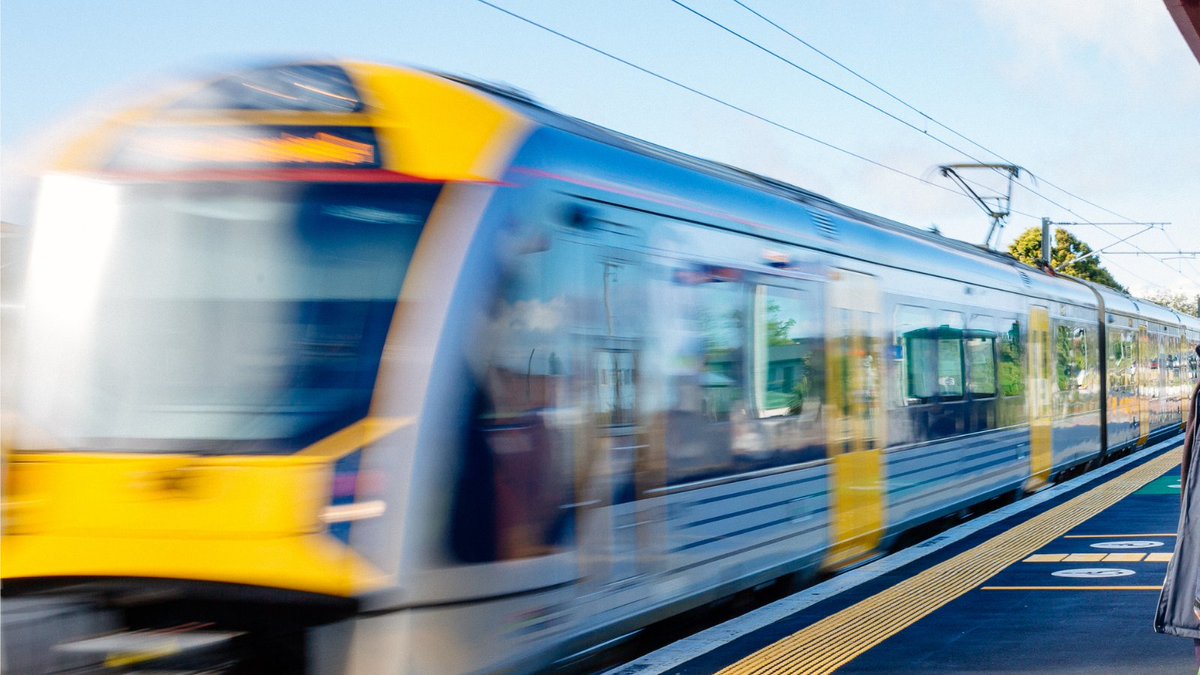
Auckland is already moving to electric public transport such as e-buses, more electric trains, proposing electric ferries and developing a range of other e-mobility forms.
“The future of Auckland’s transport system is crucial to our response to climate change, as transport currently accounts for over 40% of the region’s emissions,” the committee report says.
“Achieving the modelled 64% reduction in transport emissions will require transformational change in how people and goods travel in Tāmaki Makaurau. Local and central government will also need to reform many of their planning and investment processes to move away from business-as-usual approaches.”
The report notes: “The TERP will require significant improvements to public transport and active modes, greater enablement of urban intensification, policies that discourage car use such as road pricing and work from home policies, increased uptake of low emissions vehicles (including freight vehicles) and a range of behaviour change programmes that work for different communities.”
It says a bespoke TERP emissions model has been developed to identify the scale of the challenge. “Preliminary modelling indicates that change is possible, but the level of transformation required is immense.”
Key observations include that while central government has outlined a number of actions in its Emissions Reduction Plan (ERP), “these do not go far enough, nor do they act fast enough to achieve a 64% reduction in emissions. TERP must fill a large gap between the baseline and the target.”
It adds that a significant shift to all sustainable modes is required, especially active modes.
“A compact urban form and accelerated decarbonisation of the public and private vehicle fleet are also crucial,” the report says, noting that actions will centre around Auckland’s Climate Plan and include projections for EVs by 2030 at about 8%, which the report says is too low to have significant impact.
Meanwhile, Auckland Council staff will be asked to progress actions and report back to the committee in March 2022 with a progress update, including how the council’s own corporate mobility will align with the TERP, further research into people’s willingness and ability to change travel behaviour, and an investigation into a methodology and feasibility of a region-wide spatial assessment of access via walking, cycling and public transport, plus the inclusion of micromobility infrastructure in corridors for Future Connect active modes.
A reference group will recommend a pathway to the committee and the Auckland Transport board for endorsement by June 2022.
The Government has just announced a $37.5 million Auckland reactivation package for summer which has details on Auckland Unlimited.
The package includes 100,000 vouchers to attractions and discounts to council facilities to encourage families and whānau to visit Auckland attractions, facilities and cultural venues.
A contestable fund for small-scale events and activities at regional and local level is planned, along with a marketing campaign to promote Tāmaki Makaurau Auckland attractions, including a campaign to encourage visitors.


Join the conversation