
Australians prefer HEV to BEV according to latest Carsales survey
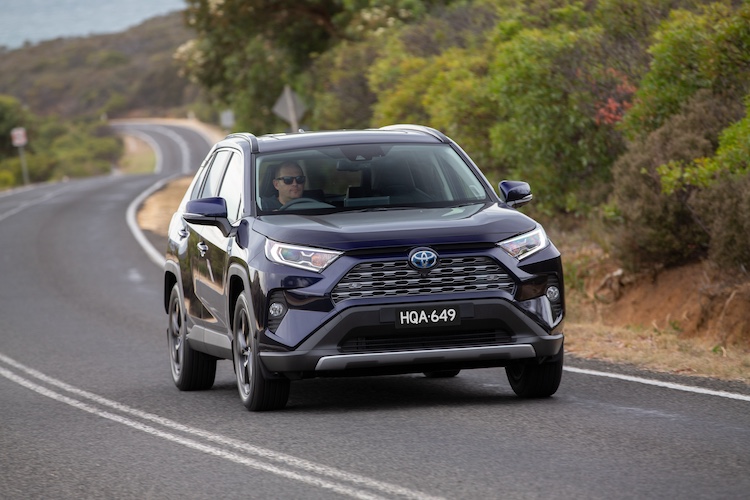
The latest Carsales EV consumer survey report shows that Australian motorists are considering hybrid vehicles (HEV) more than battery electric vehicles (BEV), and some long-held myths about electric cars may also contribute to this.
Lifetime EV consideration has again dropped, with only 30% of respondents ever considering an EV. This continued drop from 56% (June 2022) likely reflects the cost of living crisis and a decrease in disposable income for the average person. While 83% of EV owners are likely to buy another EV in the future, this represents a decrease over time from 95% in May 2023.
Since May 2024, the number of hybrid vehicles considered has significantly increased. Both plug-in hybrids (+24%) and regular hybrids (+53%) have seen substantial growth in consideration and are now regarded more frequently than battery electric cars.
When asked to predict the car they will drive in 2035, hybrid vehicles (22%) ranked just behind petrol vehicles (27%), with Gen Z showing an above-average expectation (30%). In comparison, only 18% of respondents believe they will drive an EV by 2030, a marked decline from 40% in June 2022.
“ Our latest data shows that price remains a key barrier to EV adoption, and this is further highlighted with two-thirds of EV considerers saying they’d be more likely to buy an EV if there were a $3k government incentive,” Carsales data services director Ross Booth says.
The good news is that we’ve already seen a drop in new EV prices. Since 2021, the RRP of petrol vehicles has risen by 20%, while EV prices have decreased by 9%, a drop of over $3k on average.
Competition in the EV market is also increasing, and with up to 12 new Chinese car brands set to enter the country, many of which will focus on EVs, prices will likely drop further in the upcoming years.”
BYD is an emerging leader in the Australian EV space. Not only has BYD climbed significantly in both prompted and unprompted awareness in the short and long term, but for EV considerers, it is the most commonly considered brand by far (51%).
While more people are aware of Tesla (84%) than BYD (69%) overall, the conversion of awareness to consideration is far higher for BYD (58%) than for Tesla (44%).
Over a third of respondents are unaware of government subsidies for electric vehicles, which only marginally improves the situation for those considering purchasing one. However, two-thirds of EV considerers would be more likely to buy one if they had access to a $3k government rebate.
Common EV misconceptions remain. These include concerns about the lack of charging stations (50%) despite only 15% knowing specific details about charging locations and the time required to charge (50%) despite advances in charging technology and the ability to charge at home.
Performance has become increasingly important to EV owners and is now the most crucial reason they purchased an electric vehicle.
Despite still being the most likely electric vehicle type to be preferred, SUVs have dropped in popularity (36% compared to 43% in May 2023), while Utes have increased in popularity (15% compared to 4% in May 2023).
Age divides:
- Gen X respondents were significantly more likely to have considered buying an EV (38%) than the average (30%), while Gen Z respondents were least likely (22%).
- Gen Z were significantly more likely to be prevented from purchasing an EV due to the environmental impacts of charging (35%) and having a stronger connection to ICE vehicles (63%). Compared to the average, they were significantly more likely to be unsure about the cost of replacement parts (52%) and maintenance/servicing (56%).
- Baby boomers, on the other hand, were much more likely to be put off EVs due to popular misconceptions such as the time required to charge (58%), too few charging stations available (60%) and understanding the total cost of owning and maintaining an EV (40%).
- Gen Z was significantly more likely to think EVs were too quiet (45%), less safe (33%), and would last too long before needing to be replaced (57%), as well as how good the car looked (33%).
- Baby Boomers were significantly more likely to be concerned about depreciation (53%) and how far you can travel without recharging (62%)
The survey was conducted on the Carsales website. The results were weighted by age to reflect the Australian population.
It appeared as a pop-up on the Carsales website’s desktop and mobile versions, and 2299 respondents completed it from November 4th to November 11th, 2024.
Join the conversation