
Autonomous vehicles are here

This story first appeared in the August issue of EVtalk – CLICK HERE to download the magazine FREE
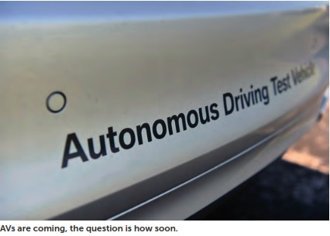
Autonomous vehicles (AVs) are already here, but there’s speculation around when people can use them, especially on public roads.
Waymo now has fleets of driverless cars in selected areas of the US, like San Francisco, Detroit, Atlanta and Phoenix, and says it could use them in ride-hailing services in 2019.
The latter area has seen the company develop and test an autonomous ride-share service with modified Chrysler Pacifica hybrid minivans.
Waymo intends launching that service to the public later this year in Arizona.
It has clocked up nearly 13 million kilometres on its AVs in the process.
GM-owned Cruise has a big fleet of AVs in some US cities, as does Lyft which provides an autonomous taxi service.
Many other companies in the US and around the world are involved in testing or providing AV services, such as Intel in Israel, nuTonomy in Singapore, Yandex in Russia, Voyage in Florida and Drive.
ai which has just started a trial of seven self-driving vans in Texas.
New Zealand and Australia also have AV trials, mainly for private, closed-circuit roads at this stage.
Judging from overseas reports, AV use is expected to initially involve limited areas to provide shuttles for people and cargo.
Most media pick AVs for personal use will take longer to develop, with issues around safety, insurance and regulations often needing to be addressed first.
Auto makers involved in the semi-autonomous or full AV area include Ford, Toyota, Nissan, Volkswagen, Hyundai, Fiat Chrysler Automobiles, BMW, General Motors, NV and Tesla, according to one report from Research and Markets.
Tesla, in fact, claims that all the cars it’s building will be capable of full self-driving.
The electric car company is developing its own computer chips which it says can handle 2000 frames per second – with some spare capacity.
Chief executive officer Elon Musk has said all new Teslas come with the hardware for autonomous driving – but just need the right software.
Nvidia, which makes graphics processors that help AVs understand what they’re seeing, says that its latest driverless-car supercomputer should be in robotaxis early next year.
Connectivity is also key, with vehicle-to-vehicle and vehicle-to-everything systems being developed.
This allows multiple vehicles to co-ordinate on the road, including warning each other of incidents, and providing travel close together – or platooning, which can improve traffic flow and save fuel.
Much will depend on how people adapt to AVs.
Some overseas media report that if smartphone adoption is anything to go by, it could take at least a decade for people to come to terms with AVs.
Governments may need to have the right policies in place, if they haven’t already, to encourage AV use, they say.
Various media dealing with AV issues also say that while AVs are coming and will be a future transport mode, it won’t happen overnight.
Time will tell.

Join the conversation