
Barnes on board as hydro hits a low
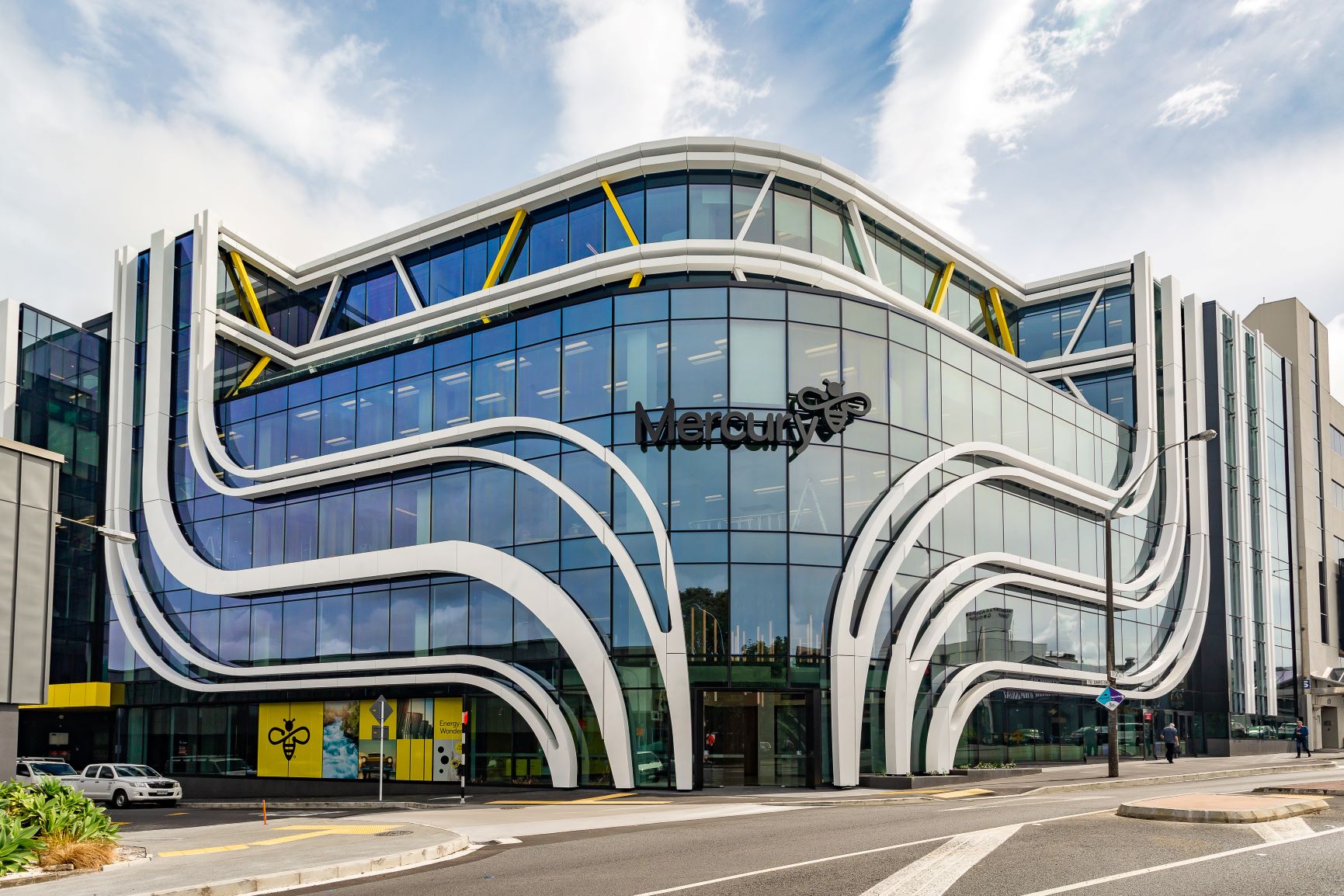
Contact Energy’s former chief executive Dennis Barnes joins Mercury’s board from September 1, replacing Keith Smith who retires at the 2021 Annual Shareholders’ Meeting that month after more than 12 years’ service.
Barnes led Contact Energy’s investment in renewable energy and flexible generation during a nine-year stint.
“Mercury is entering a development phase, with the construction of our first wind farm and the potential for further development of assets currently held by Mercury and assets to be acquired from Tilt Renewables,” Mercury chair Prue Flacks says, adding it’s critical to have a board with the necessary skills, knowledge and expertise.
Meanwhile, Mercury has recorded one of the lowest levels of hydro generation in its history, due to dry conditions.
Mercury’s hydro generation in FY2021-Q4 was 727GWh (193GWh below average), it says in a report on the three months ended June 30.
Geothermal generation decreased from 675GWh in FY2020-Q4 to 590GWh in the most recent quarter due to an unplanned outage at the Kawerau power station that started on June 7. The station is expected to return to service this week.
Average spot prices in the quarter reflected low national hydro storage and continued gas deliverability issues, increasing to $277/MWh at Otahuhu and $261/MWh at Benmore from $115/MWh and $102/MWh respectively in FY2020-Q4.
Elevated prices were also seen in Mercury’s CFD purchases for FY2021-Q4 which increased by 315GWh, from 464GWh in FY2020-Q4 to 779GWh, to mitigate price risk from decreased physical generation.
Futures prices eased during the quarter due to a lift in national hydrology towards the end of June. FY2022 futures prices decreased from $193/MWh and $177/MWh at Otahuhu and Benmore at the start of the quarter to $170/MWh and $151/MWh respectively by the end of the quarter, with a subsequent further reduction to $144/MWh and $122/MWh as at July 16, 2021.
Notwithstanding elevated spot prices, Mercury continued to engage with customers seeking to re-contract resulting in commercial and industrial segment sales (including both physical and financial) increasing by 227GWh, from 731GWh in FY2020-Q4 to 958GWh in FY2021-Q4.
The commercial and industrial sales yield increased by 9.1% from $93/MWh in FY2020-Q4 to $102/MWh in FY2021-Q4.
Customer numbers continued to decrease, dropping by 3000 across the quarter to 328,000. This was reflected in mass market sales volumes which decreased by 63GWh to 672GWh versus 735GWh in the same quarter last year.
Demand in FY2021-Q4 increased by 5.8% as the prior comparable period was affected by the COVID-19 Level 4 lockdown. Increases were seen across all sectors, with contributions from each sector being urban (2.5%), rural (1.0), industrial (1.2%), dairy (0.8%) and irrigation (0.3%).
The recovery in Q4 drove full-year temperature-adjusted demand up by 1.0%. Excluding this period, demand in the first three quarters in FY2021 decreased by 0.6% versus the same quarters in FY2020, largely driven by reduced industrial demand due to production cuts at the Tiwai Point aluminium smelter, Norske Skog’s Kawerau mill and the Marsden Point refinery.



Join the conversation