
Biden doing EV ‘tour’ and climate summit
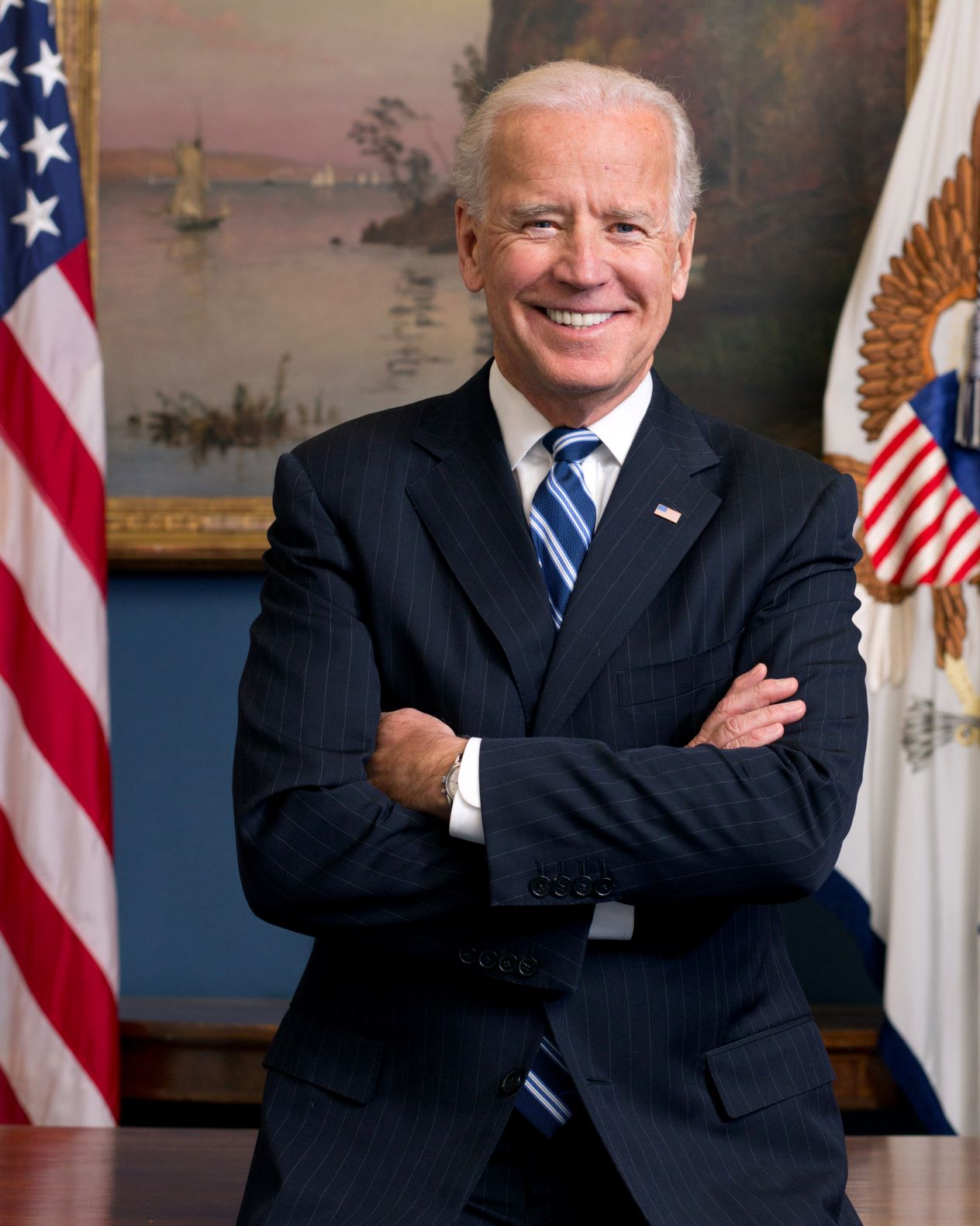
US president Joe Biden is virtually touring a South Carolina electric bus and battery making plant then hosting 40 world leaders on a virtual climate summit on April 22 and 23.
The Leaders’ Summit on Climate includes Scott Morrison from Australia and Jacinda Ardern from New Zealand and will be live streamed for public viewing.
The summit will reconvene the US-led Major Economies Forum on Energy and Climate, which brings together 17 countries responsible for about 80% of global emissions and global GDP, The White House says.
The president also invited the heads of other countries demonstrating strong climate leadership, are especially vulnerable to climate impacts, or are charting innovative pathways to a net-zero economy. Some business and civil society leaders will also participate.
Meanwhile, Biden is virtually touring US e-bus maker Proterra’s factory (it believes half of all new US-built buses will be electric in 2025) while vice president Kamala Harris this week toured a Thomas Built Buses facility in North Carolina to check out its electric bus manufacturing.
Biden proposes spending about US$20 billion to electrify more than 20% of 475,000 US school buses and US$25b to electrify some of the 65,000 transit buses under a new Clean Buses for Kids Program as part of his US$2.3 trillion jobs and infrastructure plan.
In total, Biden suggests a US$174b investment in EVs, including US$100b in consumer rebates.
While he had committed to all US-made buses being zero-emission by 2030, Biden hasn’t indicated when a ban on polluting buses is likely.
The creation of jobs electrifying vehicles is included in The White House American Jobs Plan statement.
It says Biden believes the US market share needs to change as EV sales are one-third the size of the Chinese EV market at present, hence the US$174b investment.
His plan will enable automakers to spur domestic supply chains from raw materials to parts, retool factories to compete globally, and support American workers to make batteries and EVs.
It will give consumers point of sale rebates and tax incentives to buy American-made EVs, while ensuring they are affordable for all families, the statement says.
Grant and incentive programs for state and local governments and the private sector are proposed to build a national network of 500,000 EV chargers by 2030.
The federal fleet, including the United States Postal Service, will also be electrified, while aviation and water transport comes under the spotlight too.
About US$25b is proposed for airport investment and Biden is calling on Congress to invest an additional $17b in inland waterways, coastal ports, land ports of entry, and ferries to help position the US as a global leader in clean freight and aviation.

Join the conversation