
BMW, Ford and Honda to create ChargeScape for optimising EV grid services
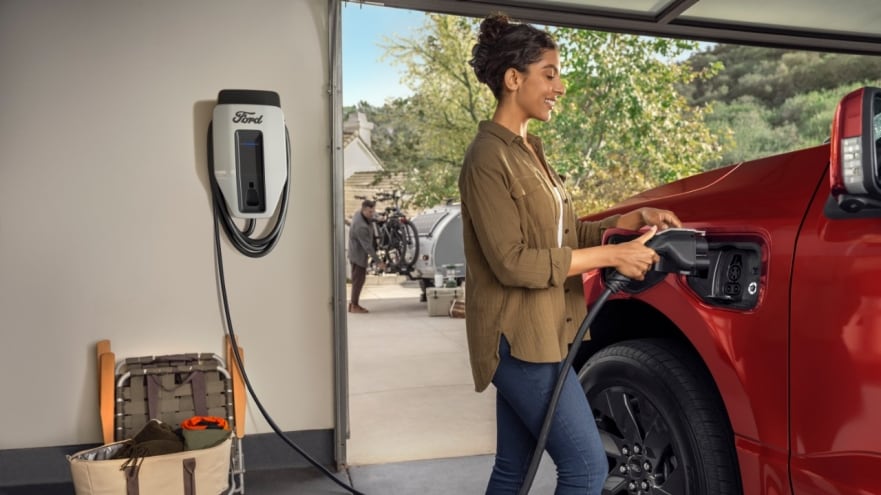
ChargeScape will aim to unlock the full potential of EV technology through conveniently managed energy services – benefiting EV customers, electric utilities and automakers.
So say BMW Group, Ford and American Honda which will leverage years of cross-industry research around the open vehicle-grid integration platform (OVGIP) to create a single platform to seamlessly connect electric utilities, automakers and their interested EV customers to manage energy usage for a broad pool of EVs.
ChargeScape aims to provide EV customers with financial benefits through EV-enabled grid services, as well as to reduce EV customers’ personal carbon footprints while supporting grid resiliency.
The equally owned company will create a single, cost-effective platform connecting electric utilities in the US and Canada, automakers and interested EV customers.
ChargeScape’s formation is pending regulatory approvals, with the company expected to be operational early next year.
It plans to eliminate the need for individual integrations between each automotive brand and each electric utility, enabling the utilities to have access to EV battery energy across a wide pool of EVs. Participating EV customers will have the potential to earn financial benefits by charging at “grid-friendly” times through flexible and managed schedules.
EV customers will also eventually have the opportunity for even more significant impact by sharing the energy stored in their EV batteries with the grid during times of peak demand through vehicle-to-grid (V2G) applications.
ChargeScape will enable the smart use of plugged-in EV batteries by securely providing energy data to electric utilities and system operators like aggregated demand response, alignment of charging and EV battery utilisation with off-peak, low-cost hours and the availability of high renewable energy.
More EVs on the road mean increased electricity demand on utilities to charge them, so ChargeScape aims to provide energy management services to help support grid resiliency while looking ahead to V2G capabilities that will benefit both EV customers and electric utilities.
Additionally, ChargeScape will play a role in helping to decarbonise the grid, aiming to reduce EV customers’ personal carbon footprints by utilising electricity that comes from more readily available renewable energy sources, such as wind or solar.
“Electric grid reliability and sustainability are the foundation for an EV-powered future,” says BMW of North America engineering vice president Thomas Ruemenapp.
“ChargeScape aims to accelerate the expansion of smart charging and vehicle-to-everything solutions all over the country, while increasing customer benefits, supporting the stability of the grid and helping to maximise renewable energy usage.”
EVs are unlocking entirely new benefits for customers that can save them money while supporting grid resiliency and increase the use of clean, renewable energy, says Ford Motor Company charging and energy services global head Bill Crider.
“ChargeScape will help accelerate the true potential of the EV revolution by providing significant benefits to both utilities and EV customers through smart vehicle-to-grid services.”
As Honda seeks to achieve a global goal of carbon neutrality, it is counting on this platform to create new value for customers by connecting EVs to electric utilities, strengthening grid resources and reducing CO2 emissions, says American Honda Motor sustainability and business development vice president Jay Jospeh.
“With automakers accelerating toward the electrified future, we must find solutions like ChargeScape that enable all stakeholders to work together for the good of our customers, society and our industry by enabling greater use of renewable energy for and from mobility.”
ChargeScape can bring managed charging benefits to more EV customers and can eliminate marketing and outreach costs for utilities trying to reach their individual customer bases.
The three automotive groups have direct, multi-channel communication with their EV customers, solving a central problem for utilities that typically do not know or have an easy and cost-effective way to identify the EV customers in their service territory.
By leveraging automaker telematics, ChargeScape intends to provide managed charge scheduling through vehicle connectivity without requiring wi-fi enabled charging stations, supporting the many EV customers who do not use “smart” chargers at home, as their EVs would otherwise be unreachable for grid services.
The three founding members welcome other automakers to join in once the company is fully operational.

Join the conversation